Safari Brazil: The Pantanal
July 10 — 19, 2027
With Joshua Covill & local guide
Check the Photo Gallery, Highlights video, & ebird Trip Report for the 2024 Tour here
The world’s largest tropical wetland, the Pantanal offers the best safari experience in South America. About the size of Washington state, located mostly across the two states of Mato Grosso and Mato Grosso do Sul, this wilderness is a tapestry of aquatic habitats, with patches of forest and cerrado (wooded savanna). Recalling elements of Amazonia and the Gran Chaco, Mato Grosso means “thick jungle” and the word pantanal (or, pantanao) means “big swamp”.

Hyacinth Macaw
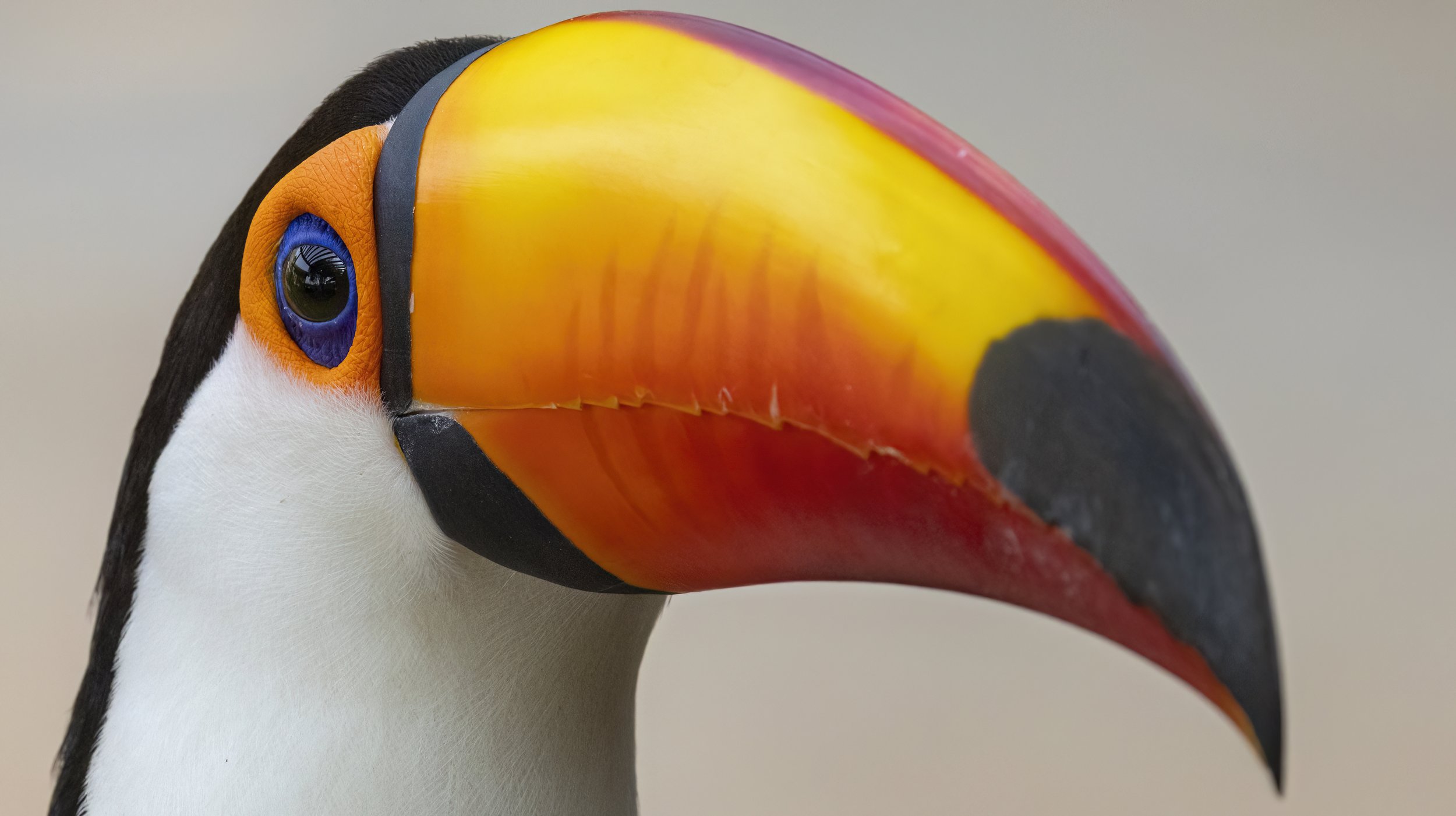
Toco toucan
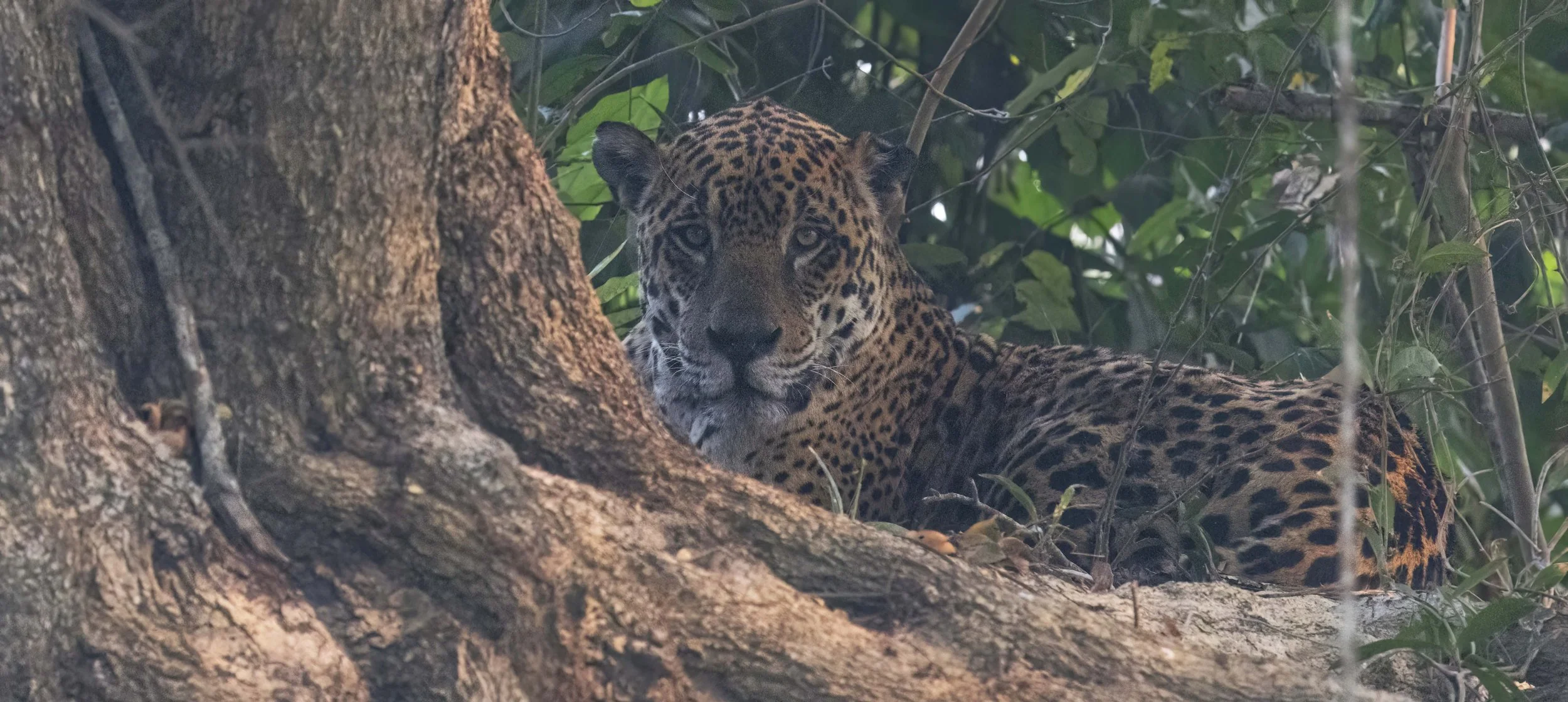
The Hyacinth Macaw is an iconic bird of the Pantanal. Startlingly blue, the macaw is intertwined inextricably with another charismatic icon of the region, the Toco Toucan and we are likely to encounter regional specials like Purplish Jay, Rufous Cacholote, Blaze-winged Parakeet, Pale-crested Woodpecker and another emblematic Pantanal species, the enormous Jabiru. The area is perhaps best known for the iconic Jaguar. Generally large cats avoid the water and being out in daylight, but the Jaguar breaks both of these rules here. We need a little luck, but as we seek out this spectacular animal, we likely to see others that could include Marsh Deer, Collared and White-lipped Peccaries, Giant River Otters, or possibly even Brazilian Tapir or Giant Anteater.
A thrill ride akin to a safari in East Africa, the food is fabulous, the accommodations are comfy and many of the birds are big and parade around prominently. Join us for an incredible safari in the heart of Brazil.
Tour Features
Superb safari with great chances for Jaguar, Giant River Otter, lots of Capybara & caimans, & possibly Brazilian Tapir or Giant Anteater.
Generally easy birding with many large showy birds, like Macaws, Red-legged Seriema, Greater Rhea, Southern Screamer.
Wonderful food & family-owned lodges (3-4 stars), allow us to comfortably explore the world’s largest tropical wetland, 20x the size of the Everglades.
See ranching conservation in action, as we visit mostly private lands, aiming for sustainable practices that preserve biodiversity.
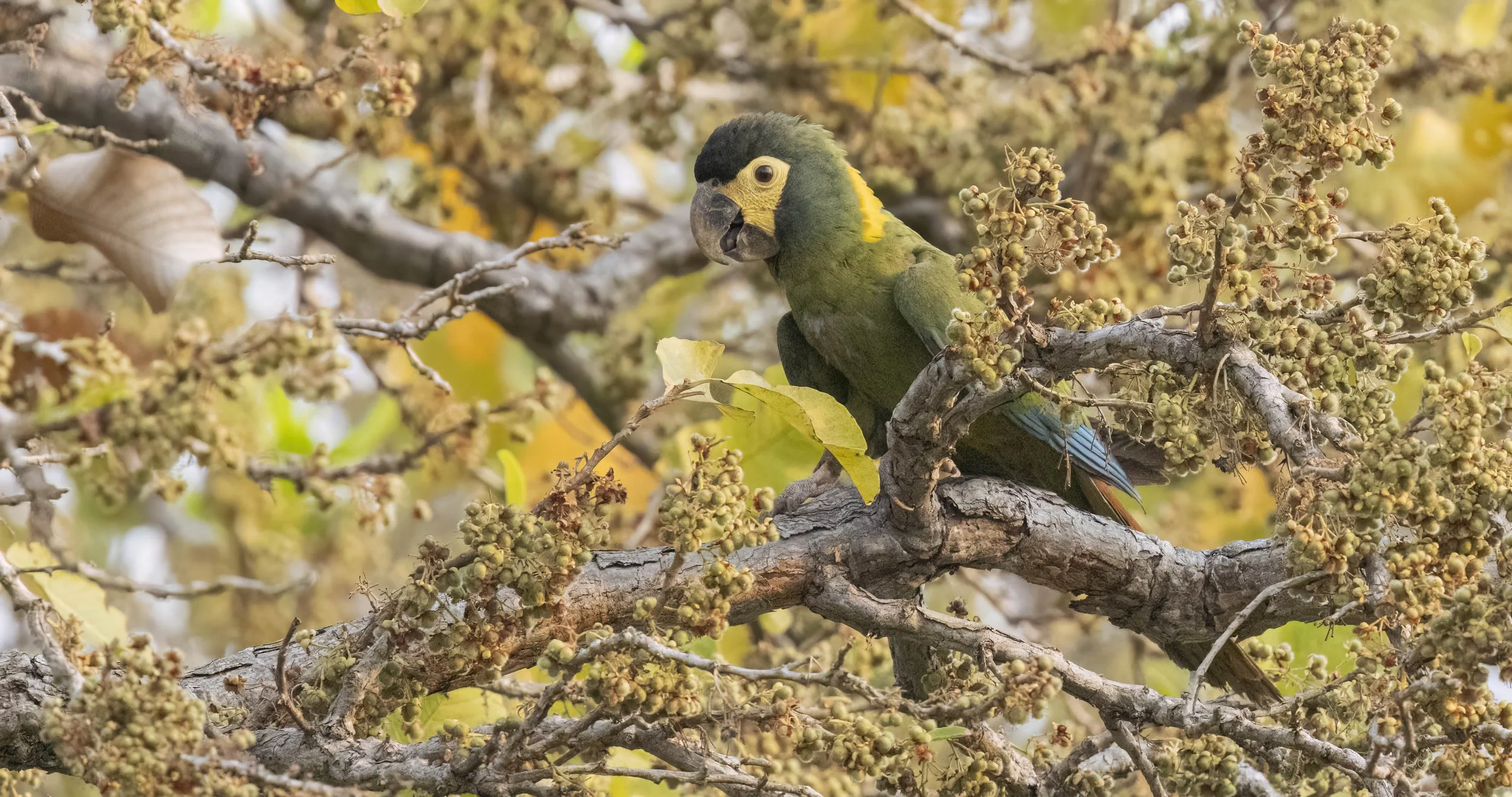
Regional endemics & special birds can include Chestnut-bellied Guan, Long-tailed Ground Dove, Yellow-collared Macaw, Blaze-winged Parakeet, Subtropical Doradito & more.
Add the short pre-tour extension for Cerrado specials & scenic sandstone cliffs.
Tour Plan
PRE-TOUR EXTENSION: Chapada dos Guimarães (7-10 July, 4 days/3 nights)
Day 1, July 10th: Arrival into Cuiabá.
Day 2, July 11th: AM transit south, PM birding the Transpantaneira Highway. Night near Poconé.
Day 3, July 12th: AM Safari near Poconé. PM transfer & birding to & night near Porto Jofre.
Day 4, July 13th: AM & PM boat safaris seeking Jaguar & birding. Night near Porto Jofre.
Day 5, July 14th: AM transit/birding north towards Piuval. Night at Piuval.
Day 6, July 15th: Exploring & night at Piuval.
Day 7, July 16th: Transfer to Cuiabá & flight to Campo Grande, night in Campo Grande.
Day 8, July 17th: AM transit (3-hr drive) to Pousada Pequi, & night at Pousada Pequi.
Day 9, July 18th: Exploring & night at Pousada Pequi.
Day 10, July 19th: Transfer to Campo Grande, for flights out.
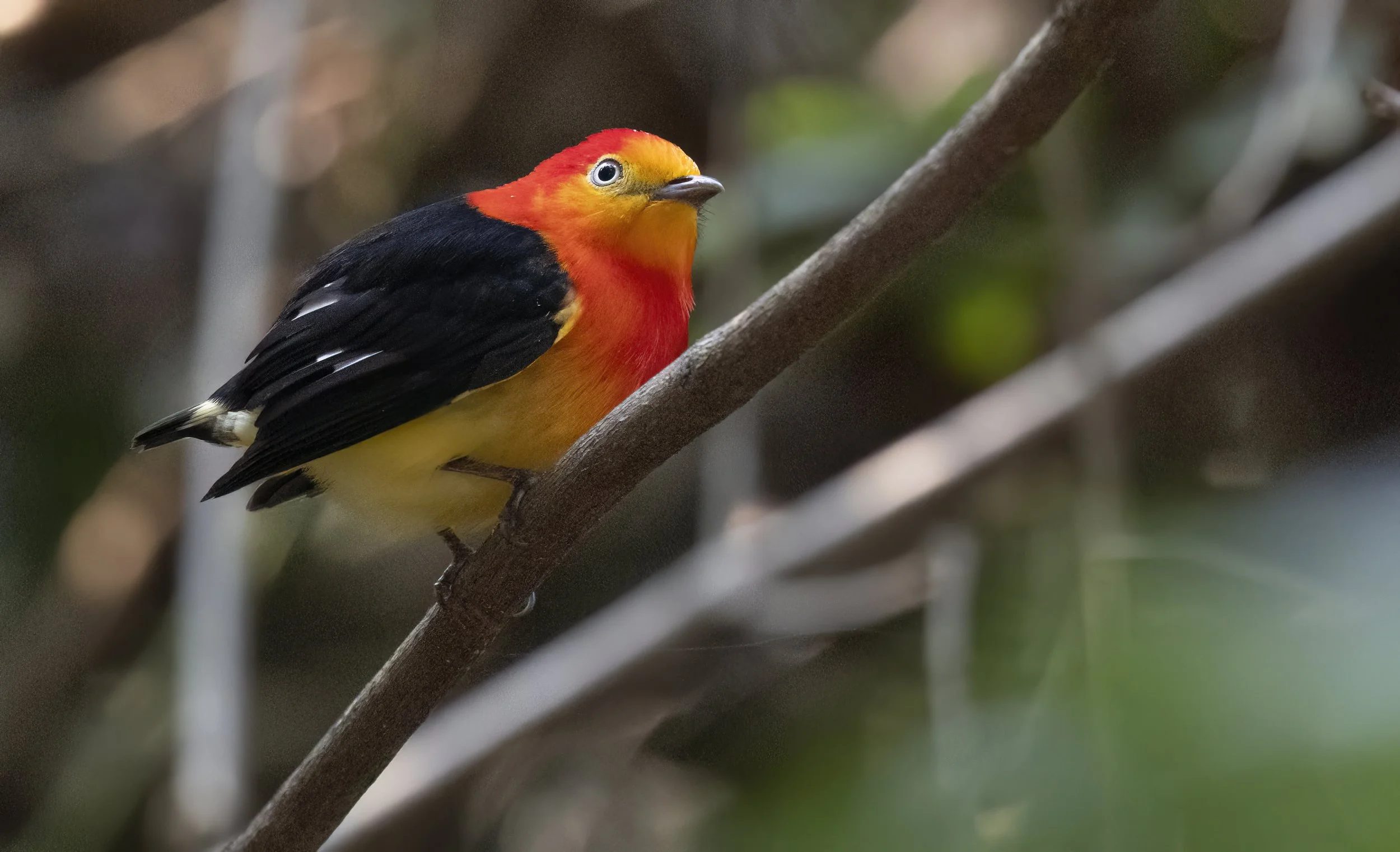
Band-tailed Manakin
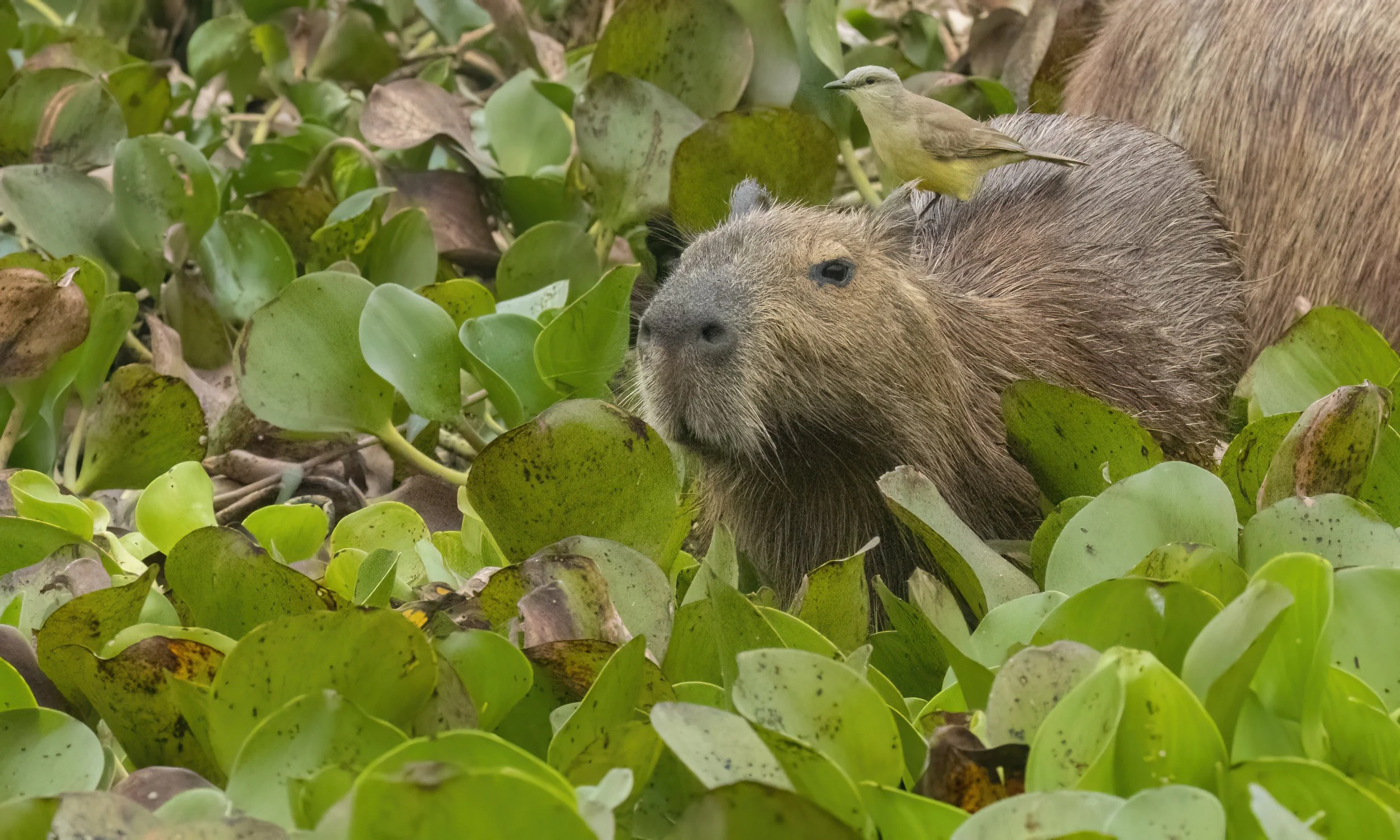
Capybara & Cattle Tyrant
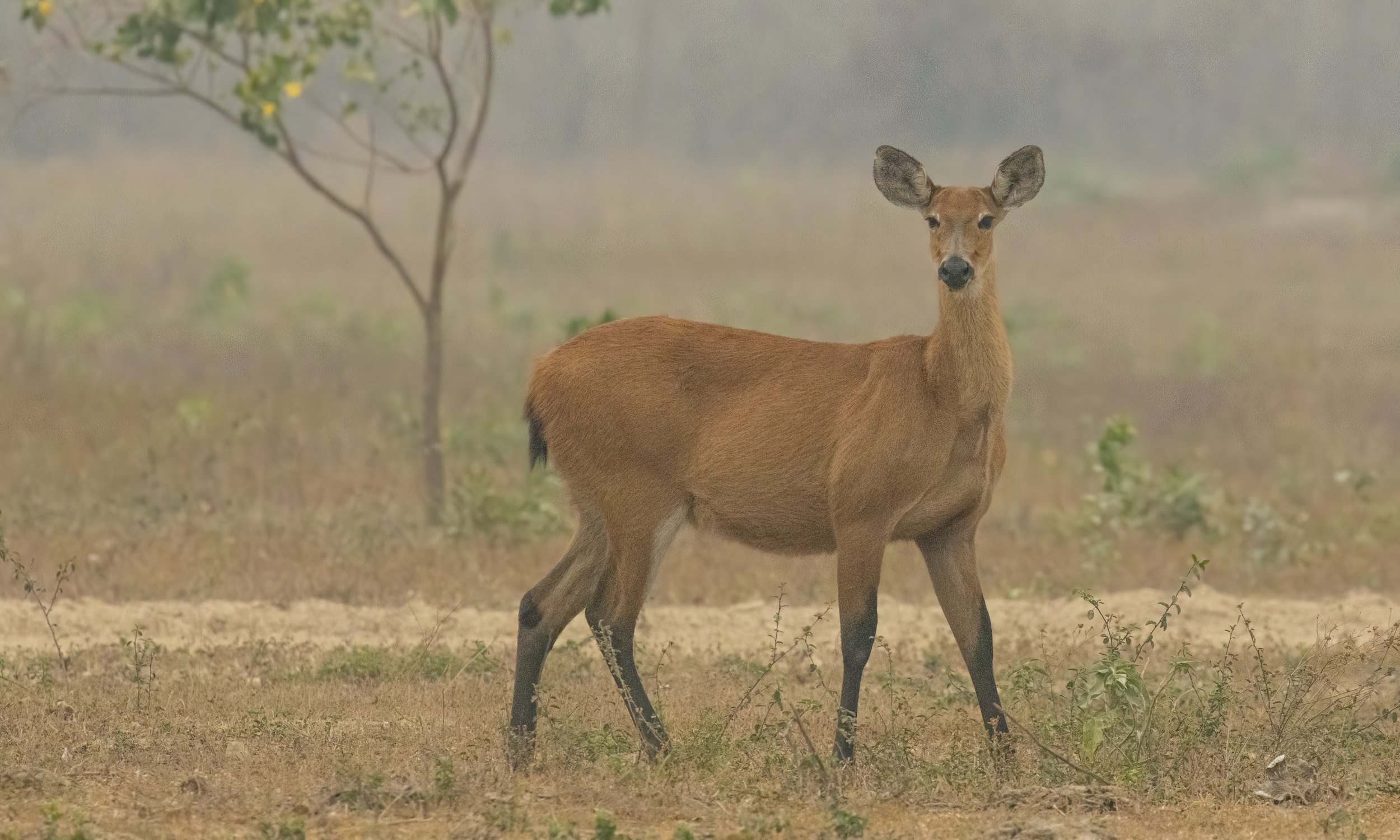
Marsh Deer
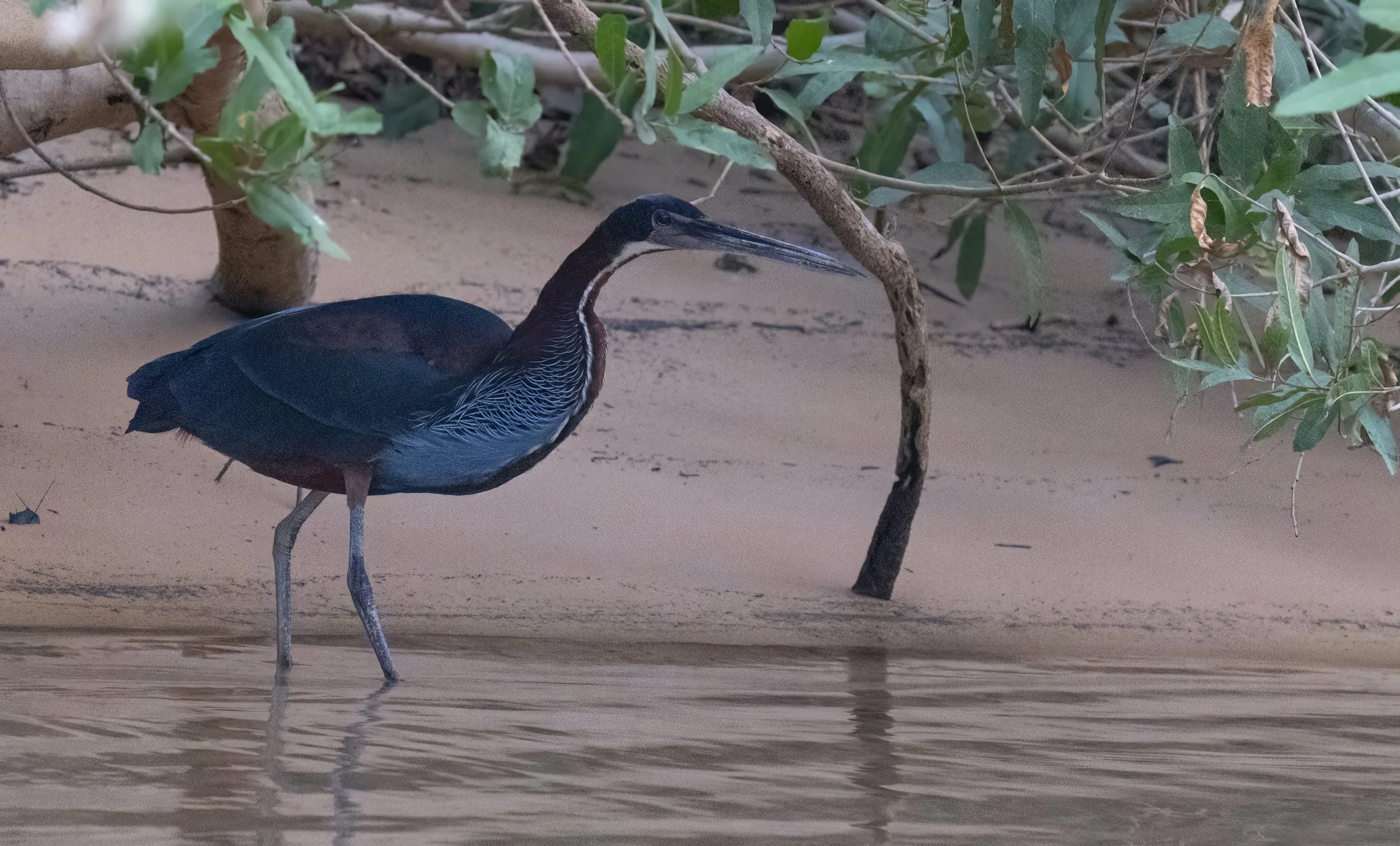
Agami Heron
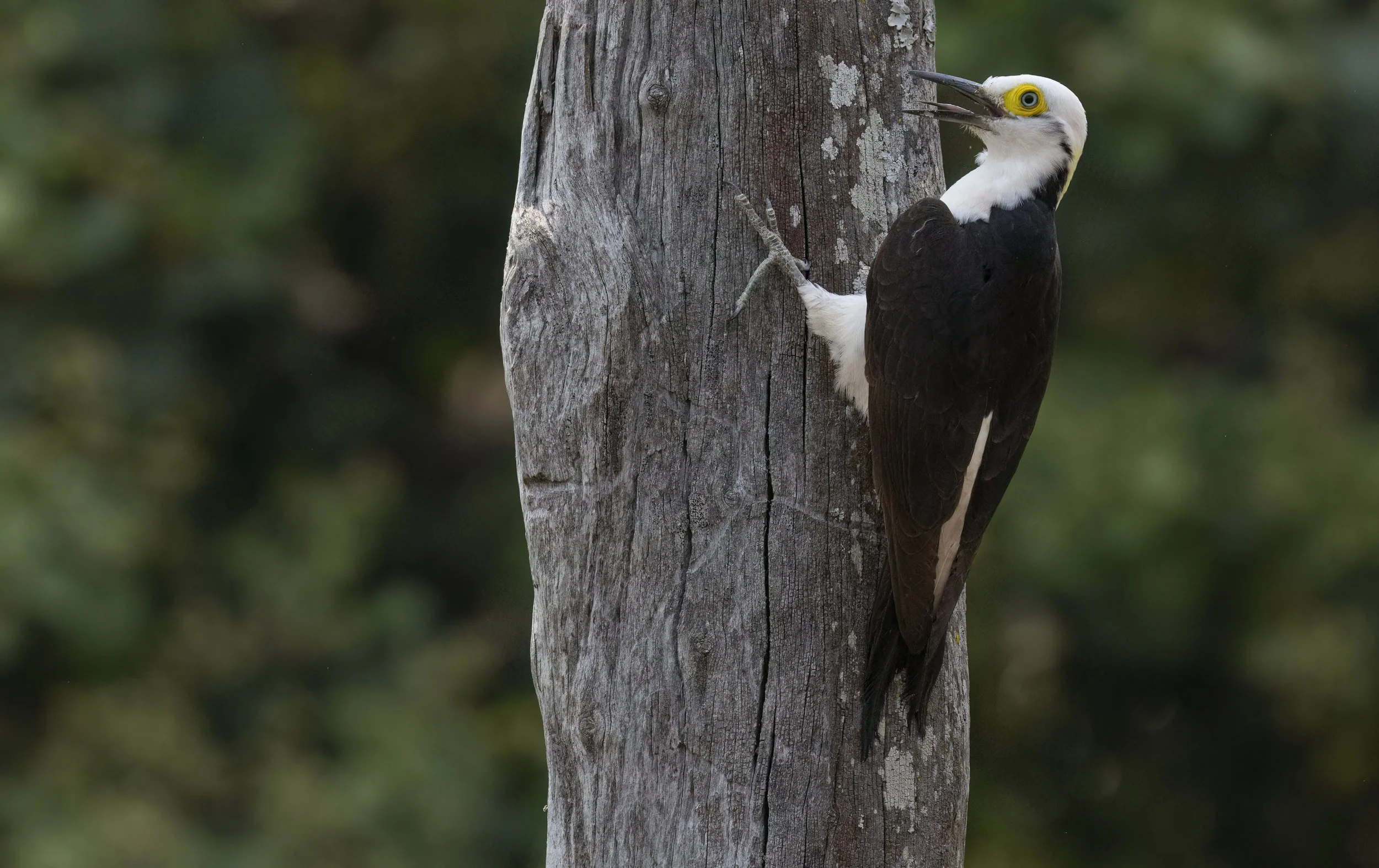
White Woodpecker
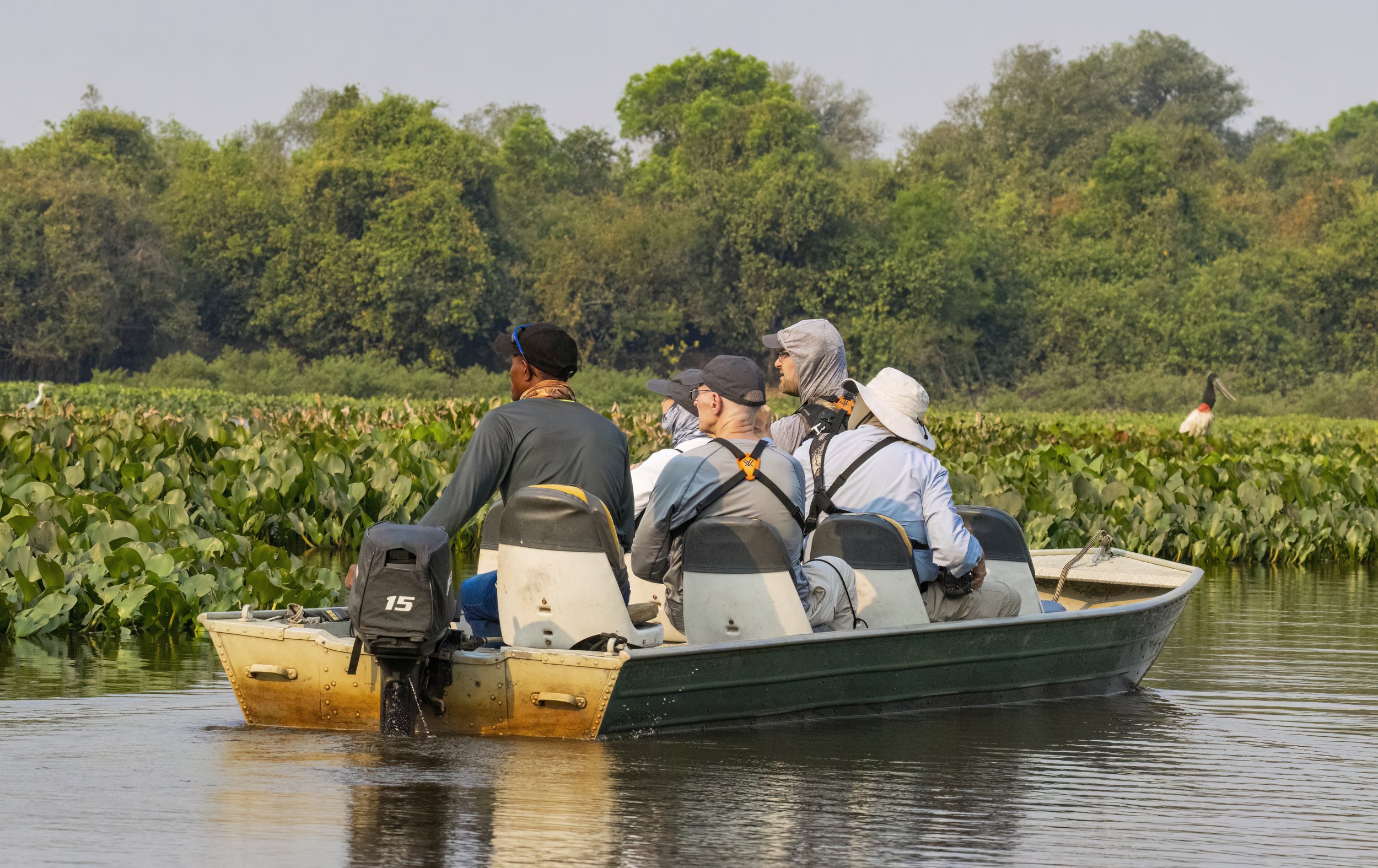
Birding the Pantanal
Tour Destinations
Mato Grosso (Northern Pantanal)
The Transpantaneira Highway
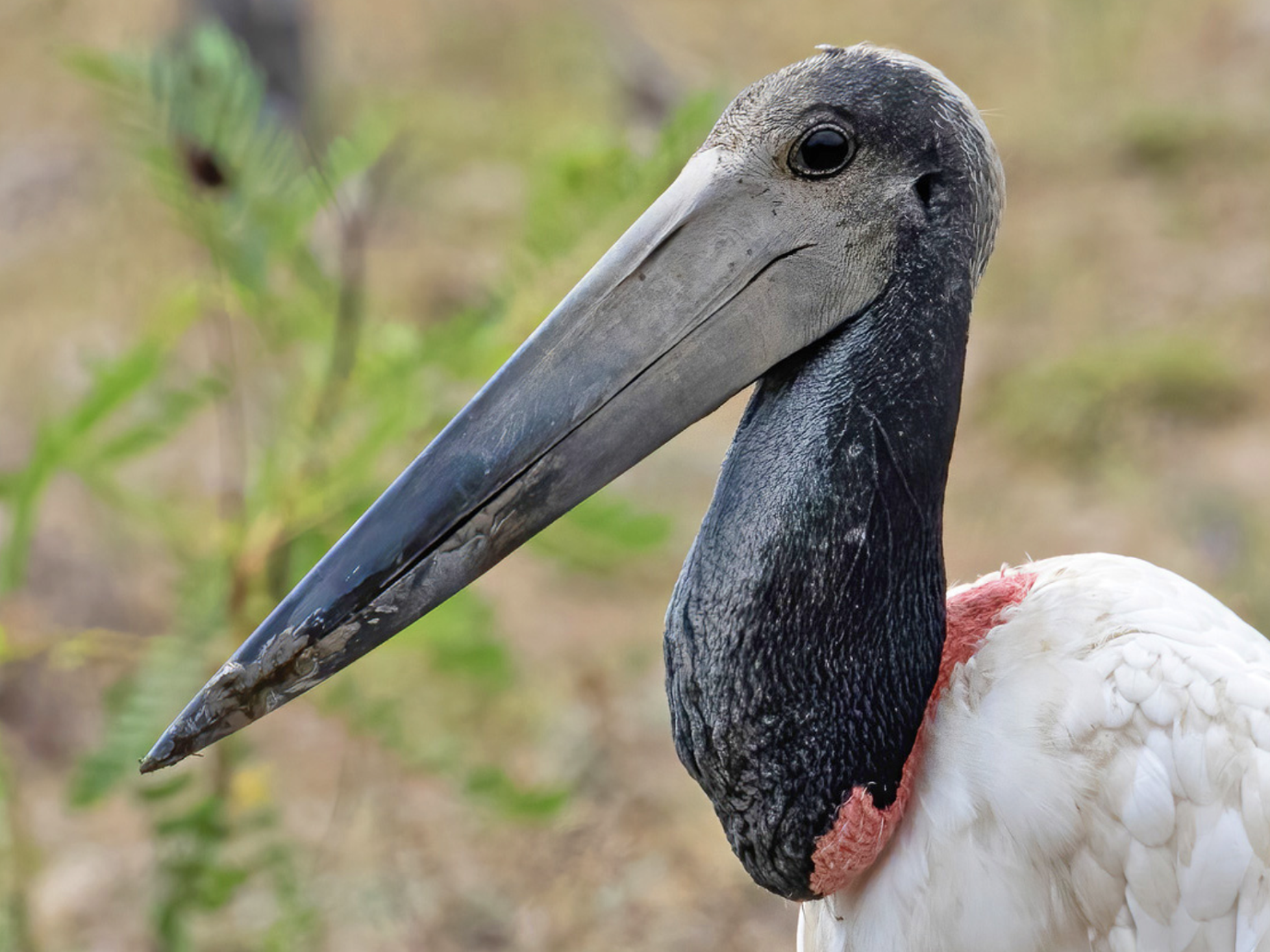
Jabiru
A legendary, long dirt road with innumerable old wooden bridges, that begins in the vicinity of Pocone and ends down in the little river outpost of Porto Jofre. One could spend a lifetime exploring this ~90 mile stretch, which is almost entirely a mix of ranchland and private reserves. Wildlife abounds and the further south you get the wetter it is, with almost every patch of water pockmarked with Yacare Caiman, Capybaras, and a variety of wetland birds. Drier patches may hold peccary, with both White-lipped and Collared possible. We have the better part of a week to explore the ins/outs of this remarkable road. When traveling along one needs to remain vigilant and alert for rare mammals, but that isn’t hard because usually it feeds us a steady diet of birds, keeping us engaged and entertained as we go. Keep your eyes peeled, and among the Wood Storks and Jabiru, if you are lucky, you might spot a Maguari Stork.
Poconé
Poconé, more or less where the Transpantaneira Highway begins, and one of the first things one notices here in the northern Pantanal is the cracids, that is the guans, currassows and chachalacas. Piping-Guans, Bare-faced Currasows, and Chaco Chachalacas are prevalent, and often we encounter the odd if endearing Guira Cuckoo in this area. While on the trails, or on boat rides here, keep your eyes open for Marsh Deer (vulnerable) and Black-tailed Marmoset, along with highly distinct birds like Sunbittern and Black-capped Donacobius (both monotypic bird families), and we’ll look for the Chestnut-bellied Guan, a vulnerable species endemic to Brazil. If the birding gods smile, we might glimpse the sneaky and stunning Agami Heron. And dare we hope for it, Zigzag Heron skulks the dense riverine vegetation here, but seeing it take a combination of both luck and skill.
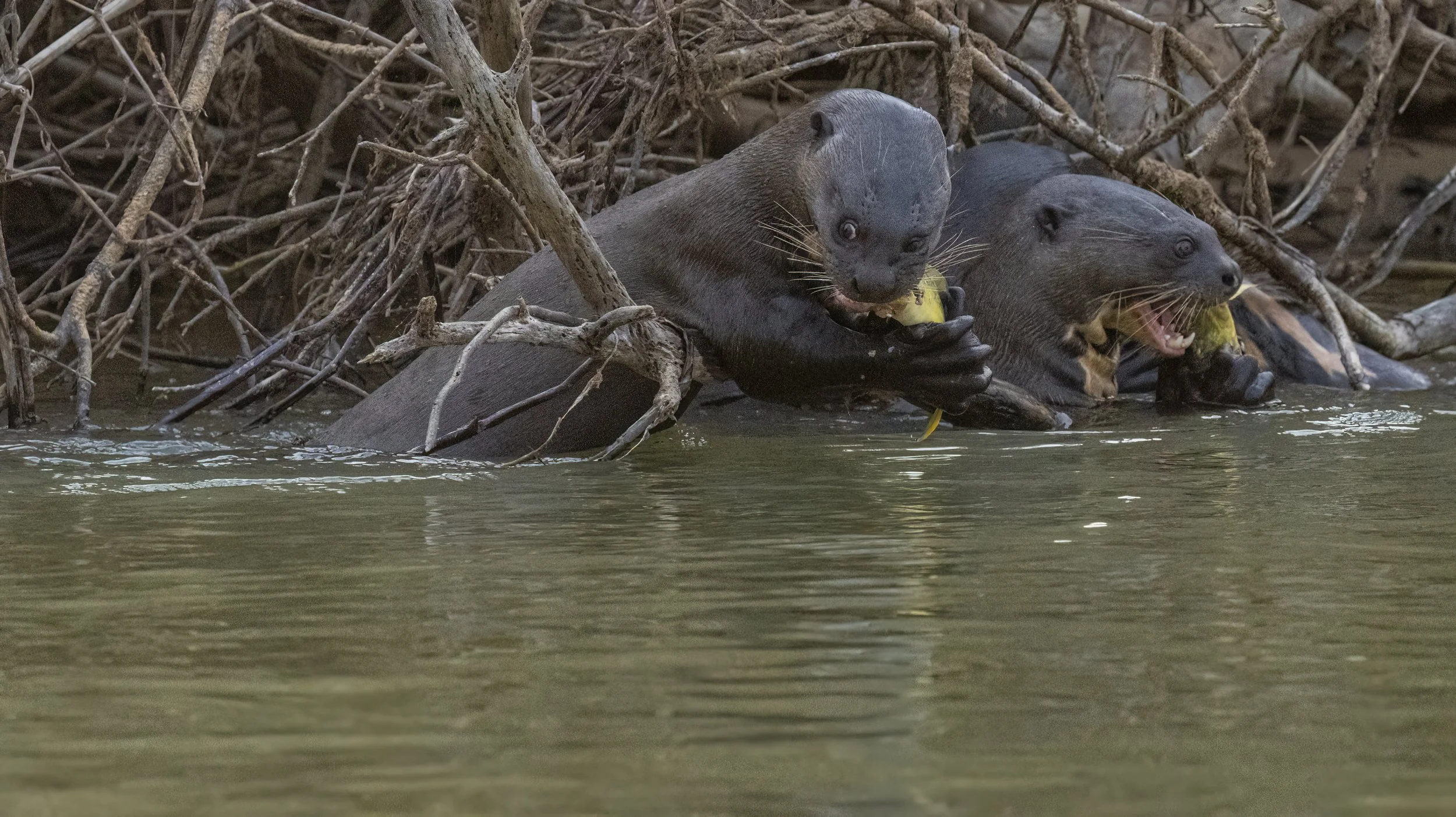
Giant River Otters
Porto Jofre
Porto Jofre is the end of the line, at least by car. Here we reach the end of the “highway” and from here we use the rivers to bird and explore. We set out by boat on the Cuiabá River to begin to search for Jaguar. Generally big cats avoid water and tend to be more nocturnal, but the Jaguars here break both these rules. Preying primarily on Yacare Caiman, stalking them from the edge of the river, they pounce on them. It is rare to see a kill but it is not uncommon to see Jaguars on the move or loafing near the water. We’ll need some luck, but we’ll try our best. And although the star of this site is typically the Jaguar, known locally as the onça-pintada, it is also rich with other mammals, and a very site for Giant River Otter. There are some fantastic birds here as well, with possibilities such as Capped Heron,Sungrebe, Blue-gray Saltator, Band-tailed Nighthawk, Black-collared Hawk, Rusty-backed Spinetail, Thrush-Like Wren, among many more. In route to/from Porto Jofre, we’ll keep our eyes peeled too and could encounter animals like Brazilian Tapir, Brown Capuchin, and Black Howler Monkey, while birds could include Southern Screamer, Black-fronted Nunbird, and others.
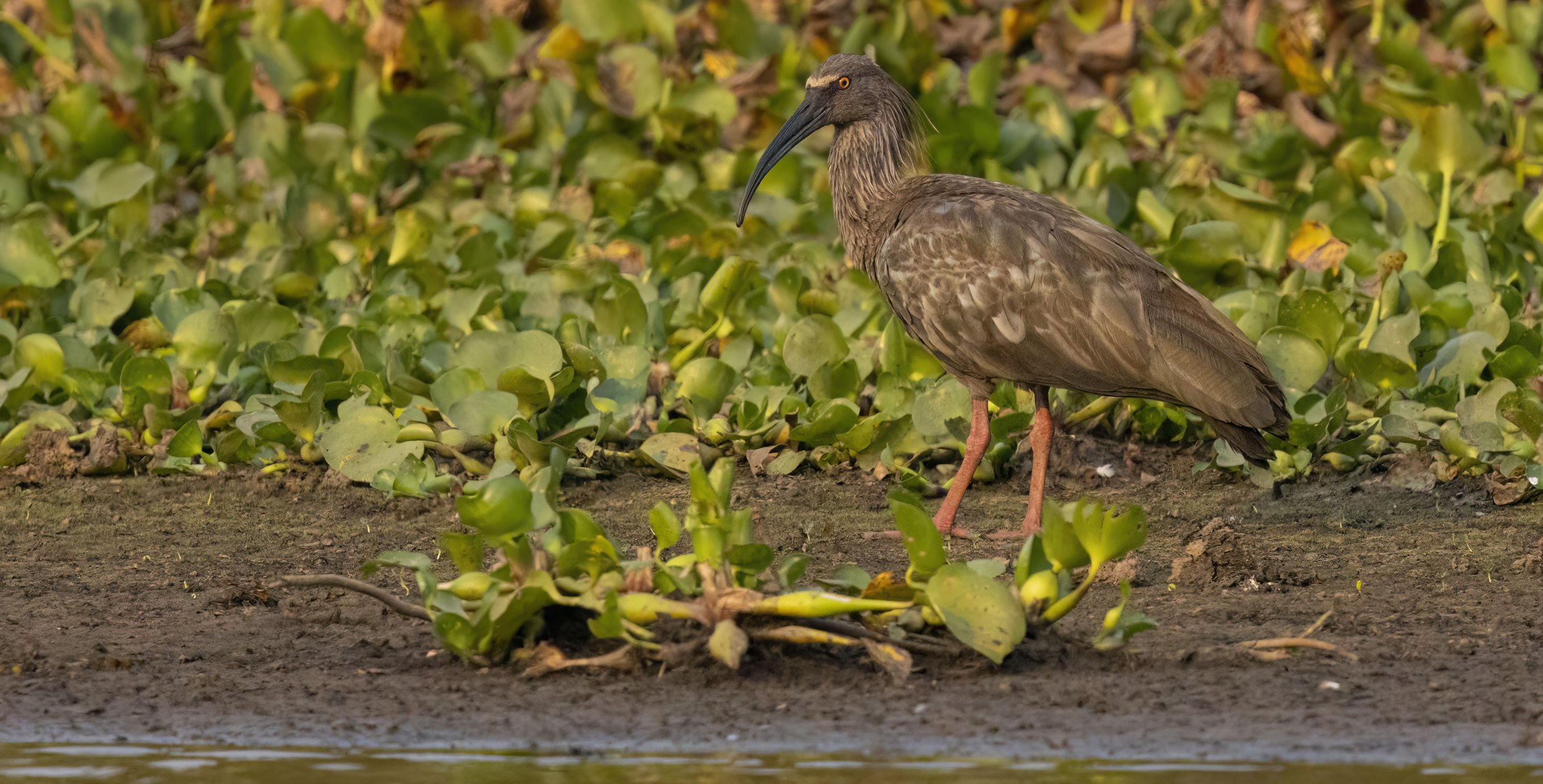
Plumbeous Ibis
Piuval
One of the Pantanal’s best birding spots, this 17,000 acre eco-lodge located at the north end of the Transpantaneira Highway is a haven for both wetland and woodland birds. And, it gives a chance at Giant Anteater. Always a bit of a coin toss, we will try for this iconic animal, known locally as the tamanduá-bandeira, which translates to Flag Anteater, so-named for its big flag-like tail. Indeed the largest of the world’s four anteater species, they usually rest in the shade of the forest during the day, folding their big tail over their body, appearing rather like a fallen old palm frond. At dusk and in the evening they become more active, heading out to hunt for termites and ants. Again, we’ll need some luck for that, but as we look we’ll also keep an eye out for birds like Bat Falcon, Blue-tufted Starthroat, White-fronted Woodpecker, Gray and White-rumped Monjitas, Wedge-tailed Grass-Finch and Saffron-billed Sparrow.
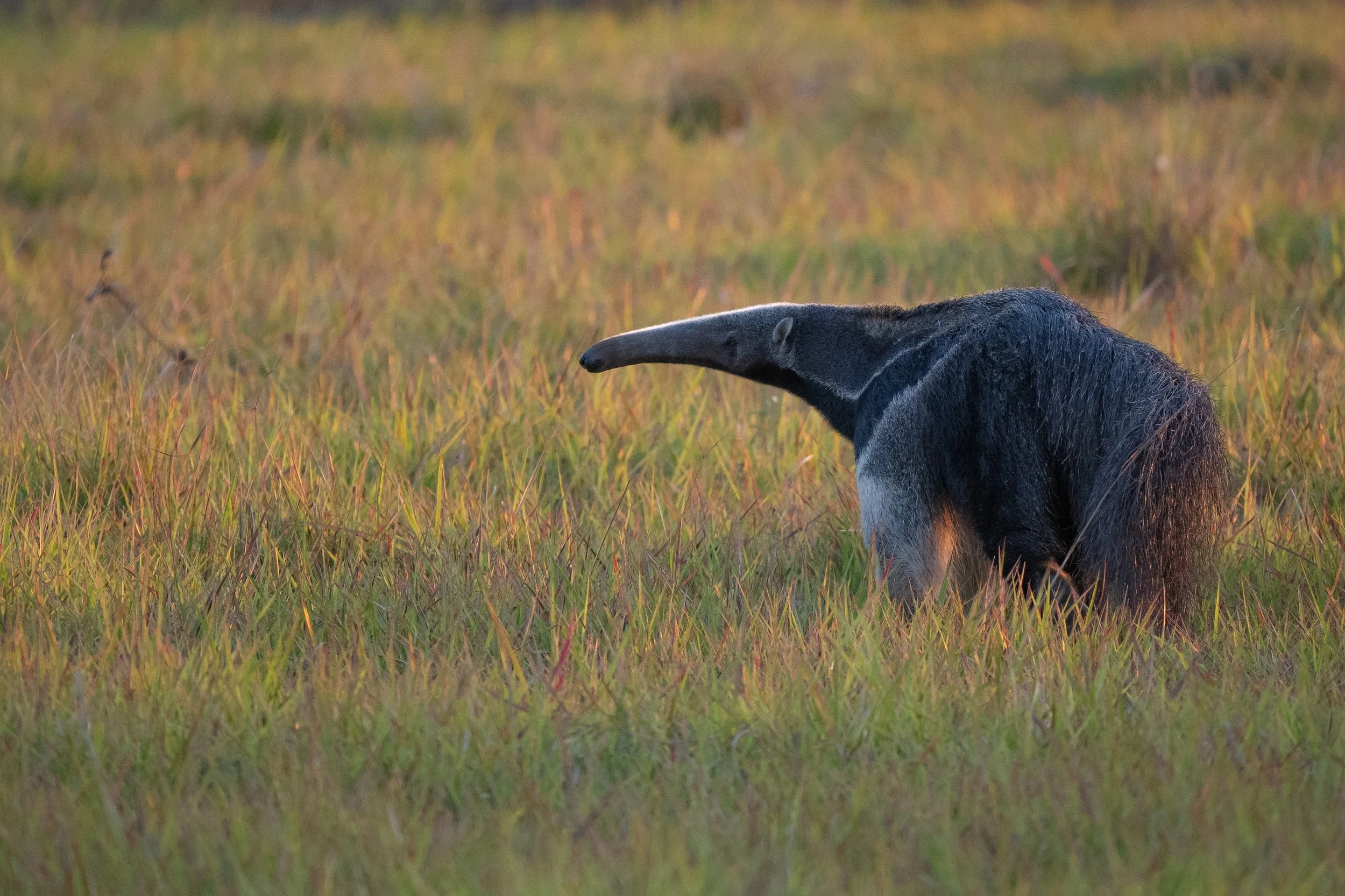
Giant Anteater
Mato Grosso do Sul (Southern Pantanal)
Aquidauana River
From Campo Grande we’ll travel by bus about 3 hours to our lodge for the next couple of nights, located astride the Aquidauana River. An historic farm now managed for ecotourism, here too we could bump into a Giant Anteater, and an array of parrots. Parrots are a big deal in the Pantanal and we might tally 15 species or more. Arguably there is no more iconic bird for the region beyond the Hyacinth Macaw, but there are other macaws as well, including Blue-and-Yellow, Yellow-collared, and Red-bellied, and we’ll be on the lookout for the regional endemic species, the Blaze-winged Parakeet. Other birds that may grace us could include Plumbeous Ibis, Blue Ground-Dove, White Woodpecker, Planalto Hermit, Sibilant Syristes, Rusty-backed Antwren and many more.
PRICE & BOOKING INFO
Tour Price/person*: $7785
Deposit: $1000/person
Single supplement: $900
Final Payment Due: March 10, 2027, or upon registration if after
Group size: 6 to 10 guests
*Based on double occupancy at lodgings, with a group size of 6 to 10 registrants. Maximum group size is 10 registrants, plus guide(s) and driver(s). If there are fewer than 6 registrants, this tour may be cancelled or re-negotiated. Note that if you want a roommate we can try to find you one, but we cannot guarantee all guests a roommate. If none is available, you will be charged the single supplement.
The tour price (fee) includes
All accommodations including rooms and meals.
All guiding services, access permits and entrance fees to birding areas included. If 7 guests or more register, then the 2nd leader can be added. At 5 or 6 registrants and 1 Hillstar Nature guide will accompany the group. We will also have local guide(s).
Tips for drivers and staff at hotels and restaurants.
Internal trip transportation including flights.
Excluded from your tour fee are:
International arrival and departure flights We can advise, but Hillstar does not book international flights.
Alcoholic beverages beyond drink included with each meal.
Personal expenses Laundry services, charges for phone calls, additional expenses associated with travel such as insurance, visa fees, airport taxes, airline baggage fees, COVID tests, vaccinations, etc.
Documents
All travelers must have a current passport, valid for six months beyond the start date of this tour, with at least one blank page for visas. A visa is required for travelers to Brazil from the U.S. or Canada.
ALL GUESTS/REGISTRANTS MUST:
● Review required travel documents.
● Review COVID-19 and other health requirements required to travel into or around the destination.
● Review Hillstar Nature’s Code of Conduct.
● Consider obtaining travel and medical insurance to cover incidents over the duration of this tour and in the event that you/the registrant becomes unable to participate in the tour.
● Sign the Hillstar Nature Terms & Conditions, which includes the assumption of risk/liability waiver.
Cancellation Policy
If a guest/participant cancels registration:
● 120 days or more prior to the start of the tour, a refund is issued minus a $500/person processing fee.
● Between 119 and 90 days prior to the start of the tour, half of the tour fee will be returned to the registrant.
● 89 days or less prior to departure, no refund of payments or deposits are issued.
Pace, Rigor, Climate & Pests
● Moderate pace but with early mornings and possibly evening outings after dinner.
● Comfortable accommodations, near to most of the birding sites, with some longer drives.
● No rigorous hiking required, but some prolonged periods of time on foot.
● Expect pleasant to cool weather, with a chance of high winds and some bouts of prolonged sun exposure.
View Hillstar Nature’s Terms & Conditions of Booking