India: The Western Ghats & Deccan Plateau
February 20 – March 4, 2028
With guides George Armistead & Surya Ramachandran
Check out the Pre/Post Tour Extension Options
Photos by Surya Ramachandran unless stated otherwise
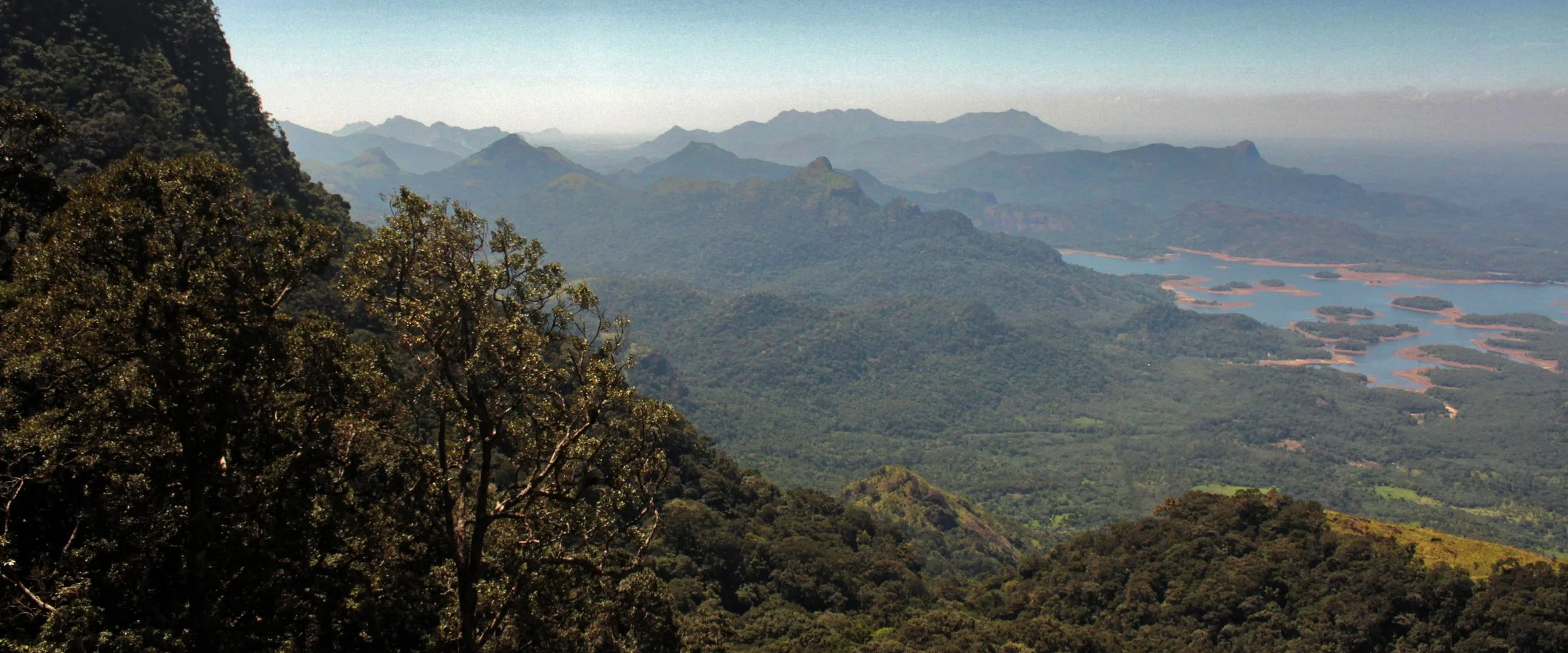
An ancient mountain range, the Western Ghats hug the western coast of India, stretching some 1600+ kilometers south from Gujarat on south. Stripping the westerly monsoon winds of their moisture as they roll in off the Arabian Sea, the Ghats send it down as rain, creating verdant slopes, while leaving the Deccan Plateau to the east in a rain shadow. The juxtaposition makes for a unique blend of birds along with some amazing animals.
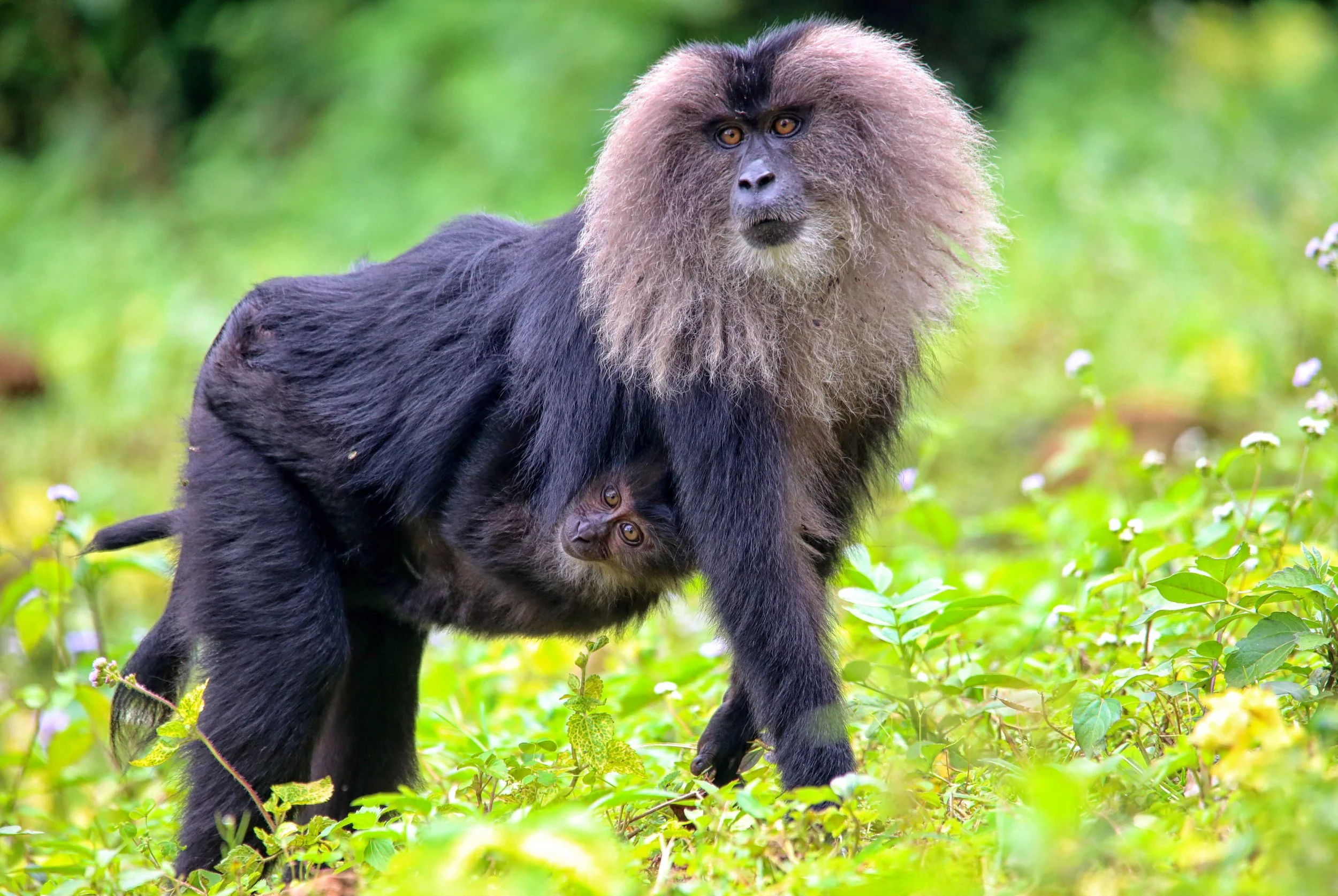
A top ten biodiversity hotspot on Earth, coconut farms, paddyfields, and coffee, tea and cardamom plantations weave together with the montane shola forests and rocky peaks, creating a distinct mosaic. This region harbors the bulk of southern Asia’s endemic birds, with about 30 species found nowhere else. These, along with the region’s special mammals, are our focus. Charismatic animals can include Lion-tailed Macaque, Indian Elephant, Gaur, and even Bengal Tiger and Leopard. Special birds we seek include Nilgiri Sholakili, Nilgiri Laughingthrush, Wayanad Laughingthrush, Painted Bush-Quail, Sri Lanka Bay-Owl, Malabar Trogon, & many, many more. The region is also a critical wintering area for migratory birds that breed north of India or in the Himalayas, and our trip is timed well to connect with migrants.
Combine the many Malabar endemics, migrant birds, and the chance at spectacular mammals and the Ghats and the Deccan Plateau offer a unique array of amazing animals.
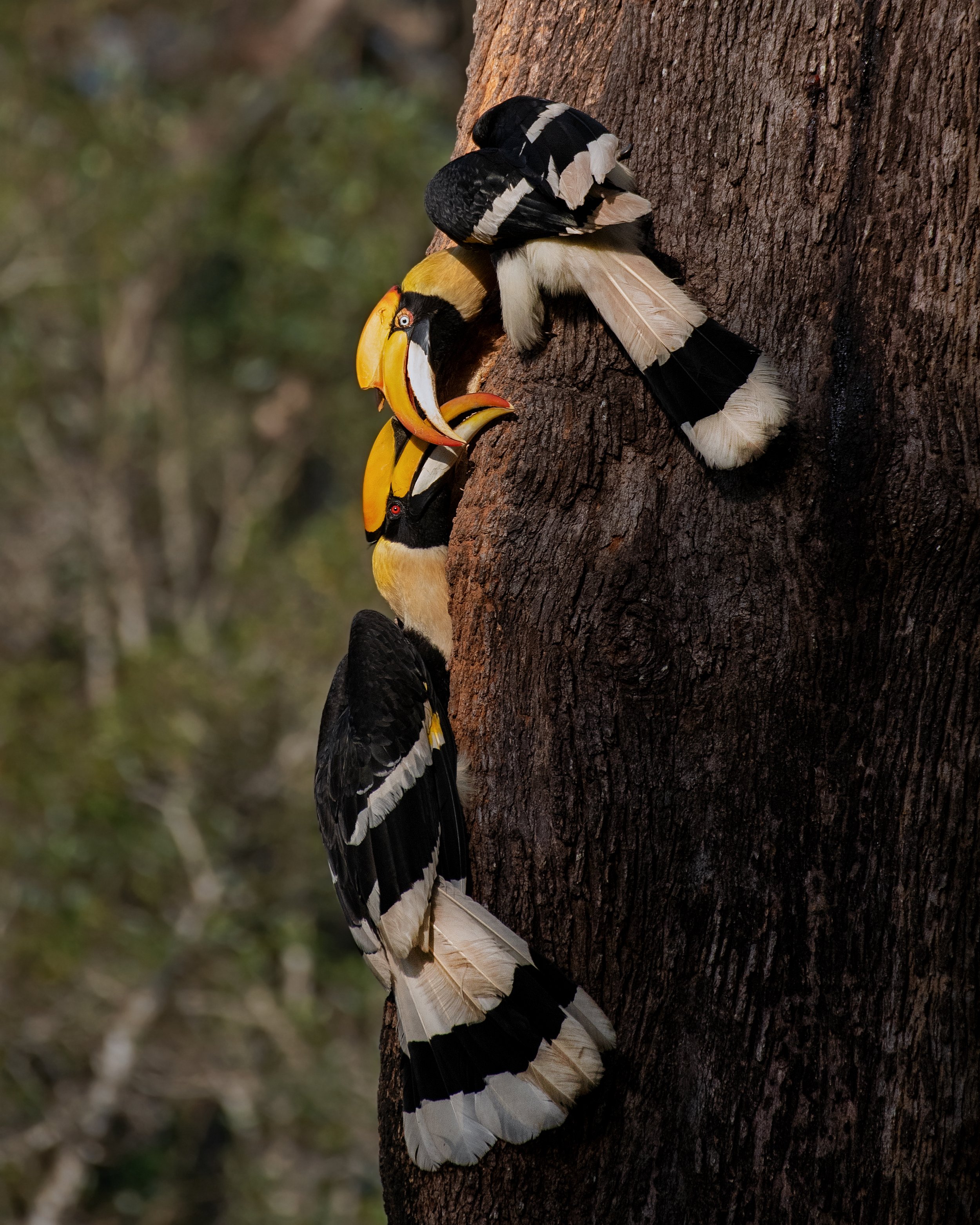
Great Hornbills by Siva Kumar
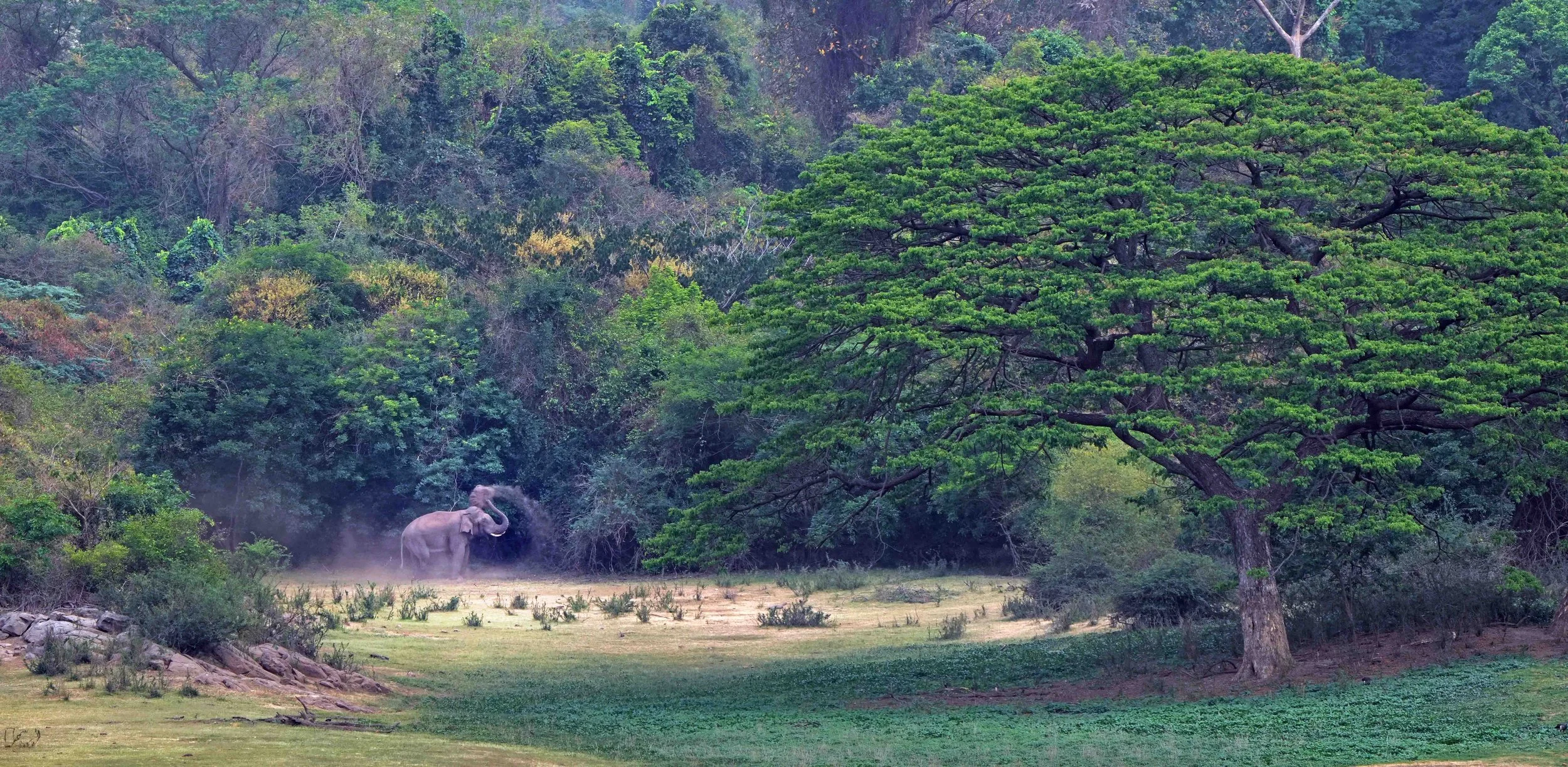
Western Ghats with Indian Elephant
Tour Features
The Western Ghats: An ancient range with exceptionally high endemism, home to >325 globally threatened species. 50+% of trees, 60+% of herps are found nowhere else.
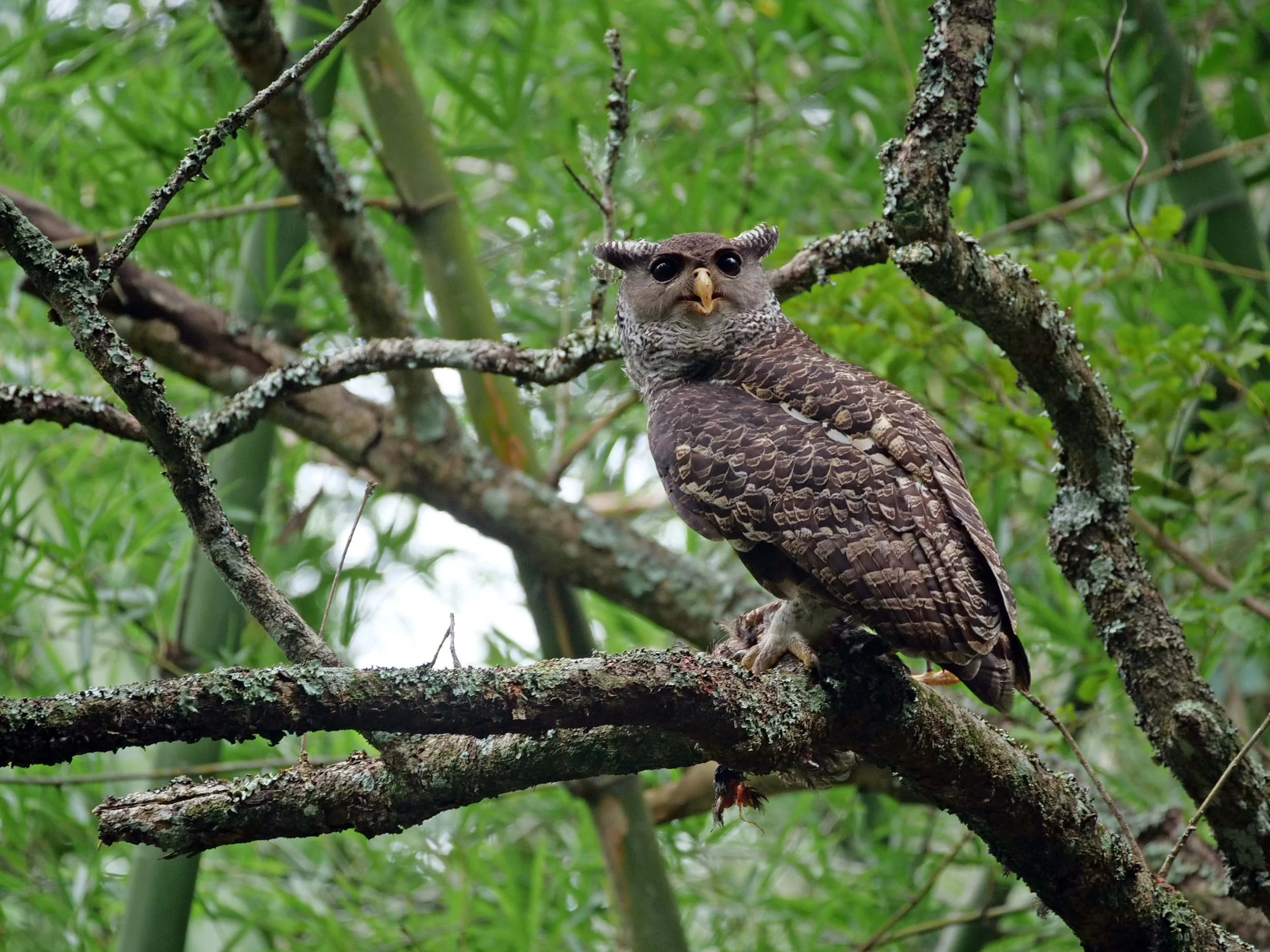
Birds: ~30 endemics, including those above + Malabar Starling, Black-and-Orange Flycatcher, Malabar Barbet, & specials like Red-naped Ibis, Spot-bellied Eagle-Owl, “Shaheen” Peregrine Falcon, plus gaudy hornbills, kingfishers & bee-eaters.
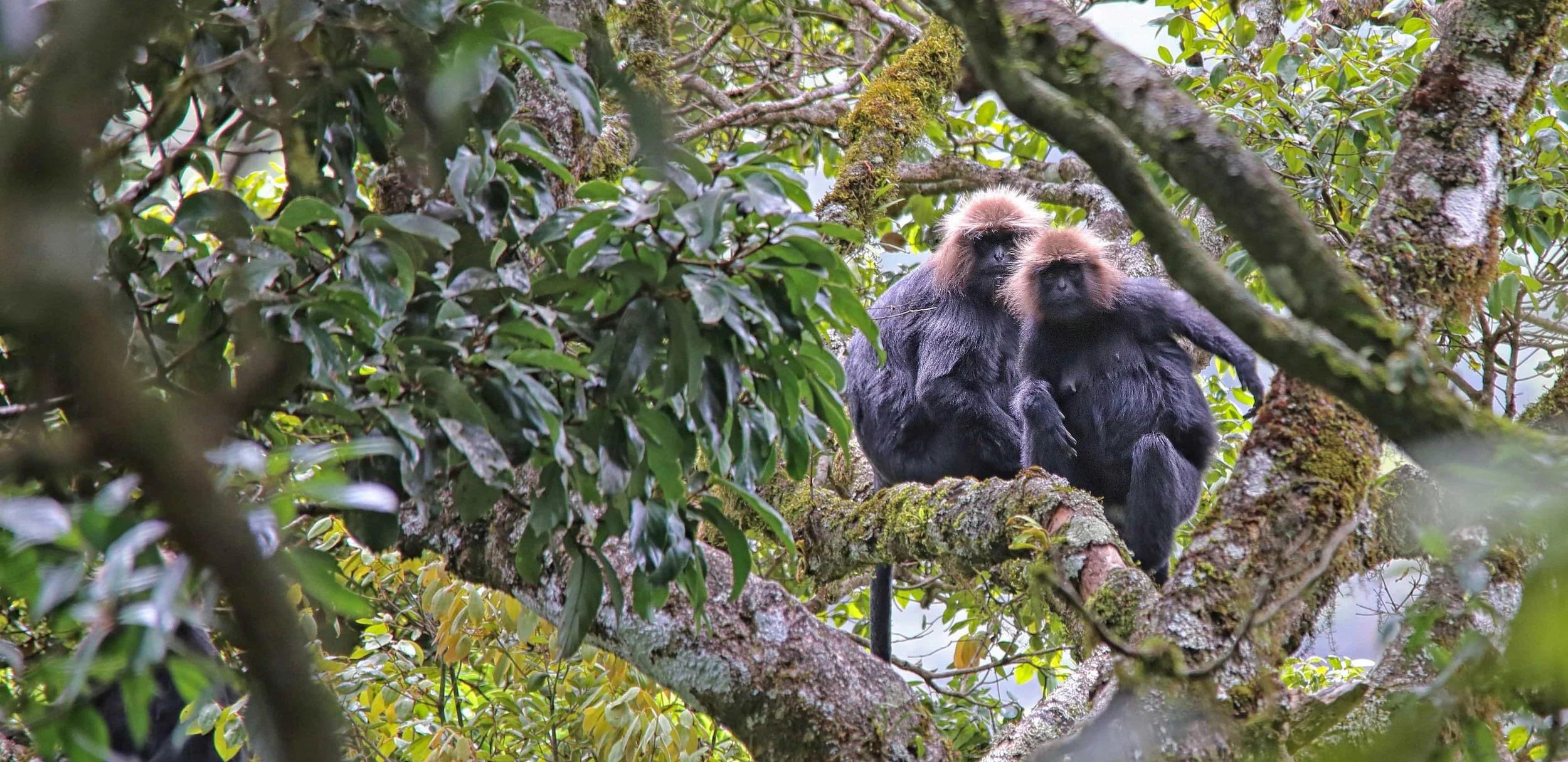
Wildlife: Chances for endemics like Nilgiri Tahr, Lion-tailed Macaque, Nilgiri Langur, and icons like elephant, tiger, leopard and sloth bear. We will keep an eye out for herps too.
See 3 Subcontinent states: Kerala & Tamil Nadu with a teeny bit of Karnataka.
South Indian Cuisine: in the US mostly we sample dishes from the North. The south features lighter fare, rice- and lentil-based dishes, often with coconut, curry, tamarind, + other spices. For those who want, there will be dosa, curry & biryani.
George & Surya have teamed up to guide many trips. Listen here to enjoy them chatting about birds and other wildlife in India. Surya wrote the book on Wildlife of Southern India.
Tour Plan
Day 1, February 20th: Arrive at Thattekad on 20th of February, Welcome dinner & night at Thattekad.
Day 2: Exploring Thattekad, night at Thattekad.
Day 3: Exploring Thattekad, night at Thattekad.
Day 4: Transfer to Periyar, night at Thekkady.
Day 5: Birding Munnar, night at Munnar.
Day 6: Eravikulam National Park and Rajamalai, night at Munnar.
Day 7: AM Birding at Munnar, Transfer to & night in Pollachi.
Day 8: Exploring Valparai, Aliyar Reservoir, & night in Pollachi.
Day 9: Transfer to Coonoor, Explore the Nilgiris, night in Coonoor.
Day 10: Exploring the Nilgiris, night in Coonoor.
Day 11: Foothill birding, transfer & night at Masinagudi.
Day 12: Explore Masinagudi, then transfer to & night at Galibore.
Day 13: AM Birding, lunch & then transfer & night in Bangalore.
Day 14, March 4th: Transfer to the airport at Bangalore, or head for Kabini.
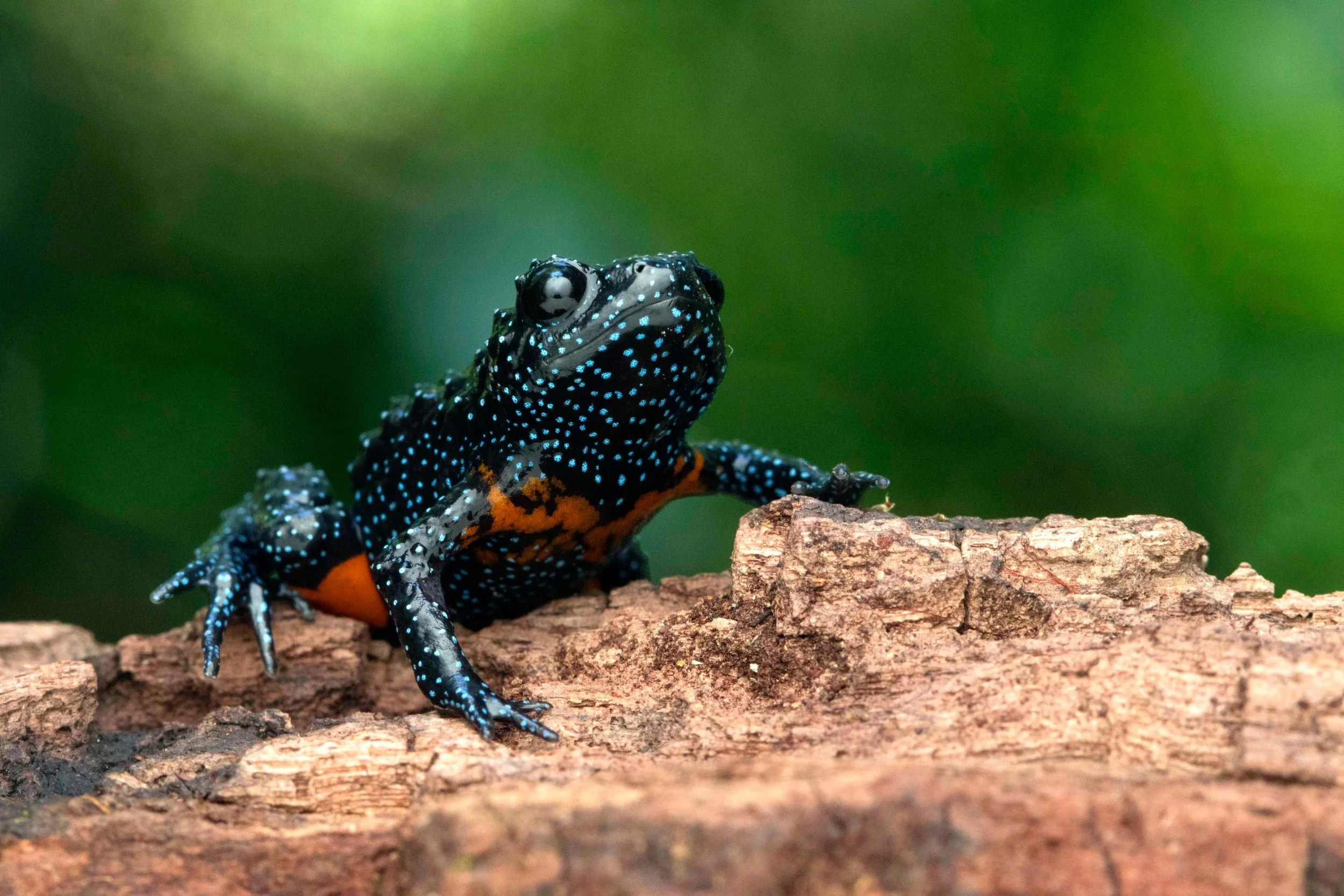
Galaxy Frog
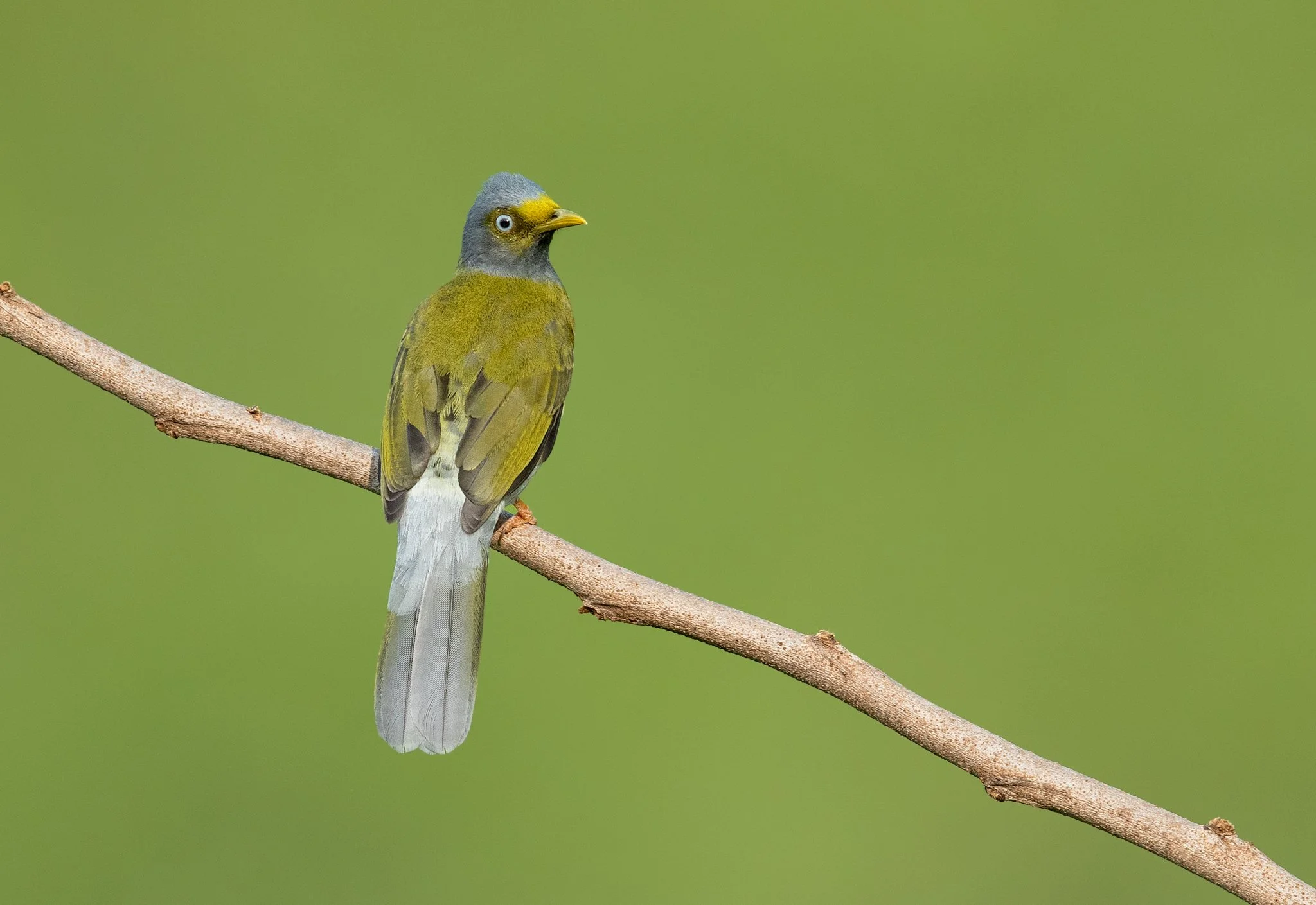
Gray-headed Bulbul
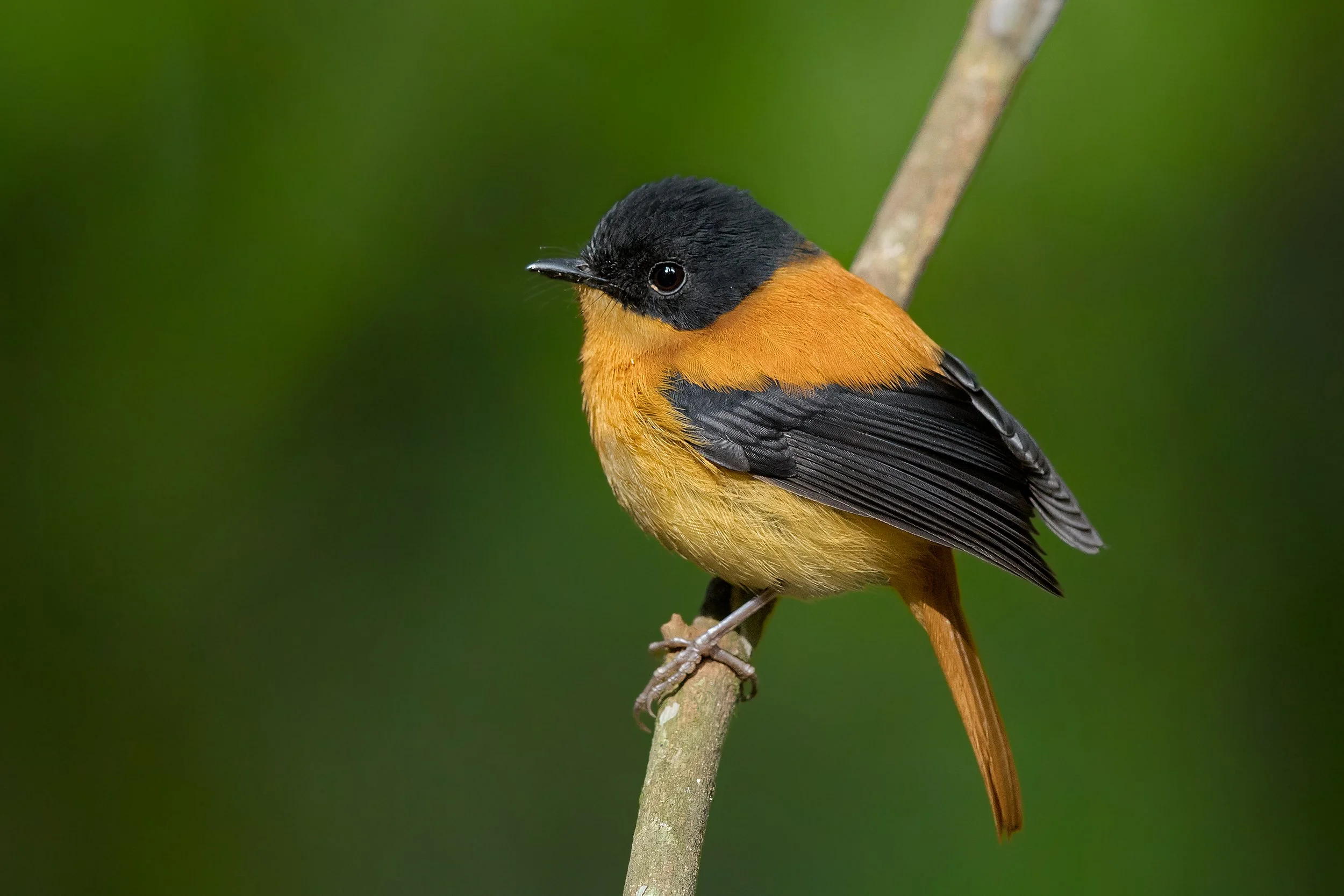
Black-and-orange Flycatcher
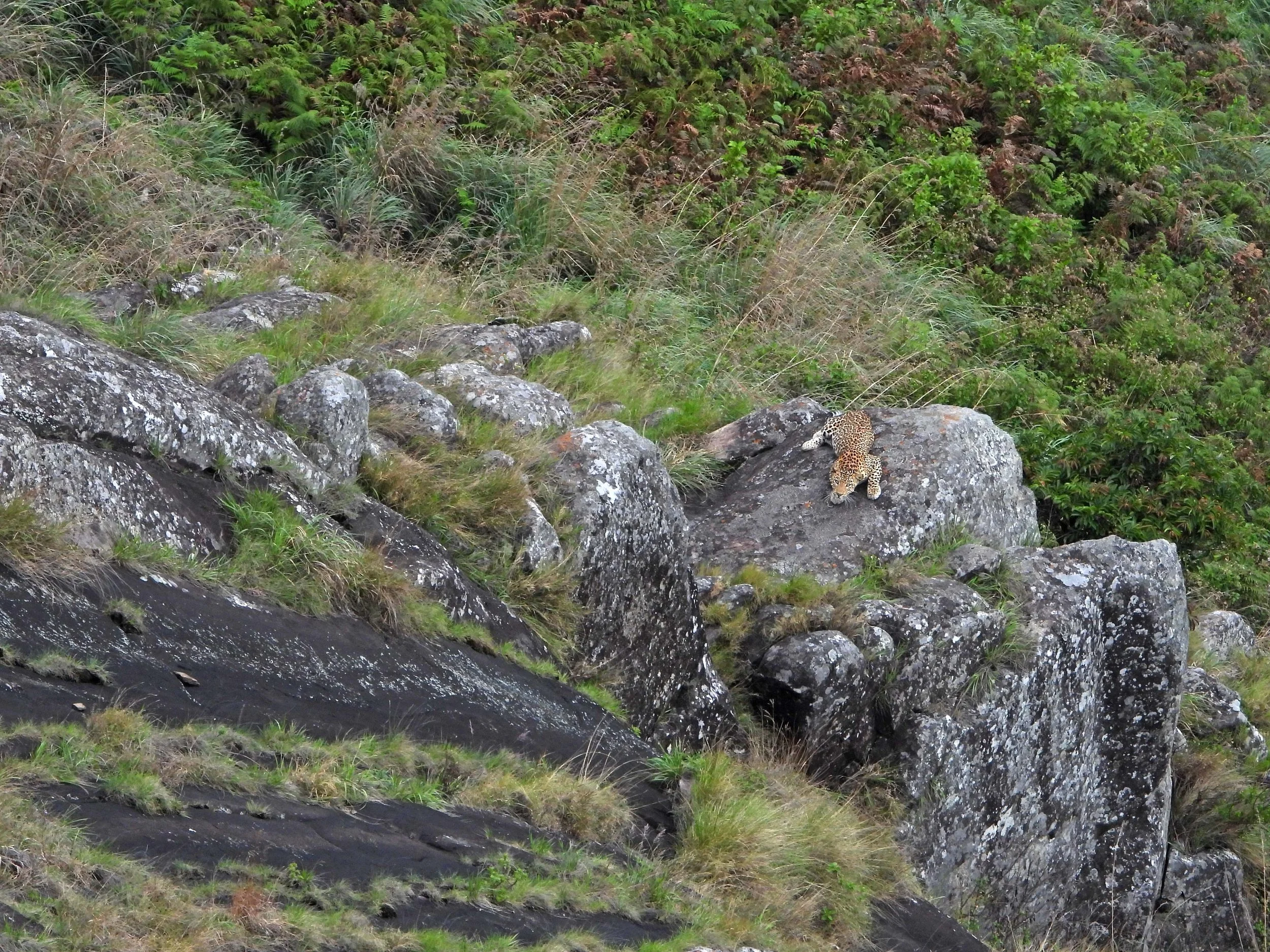
Leopard on Cliff
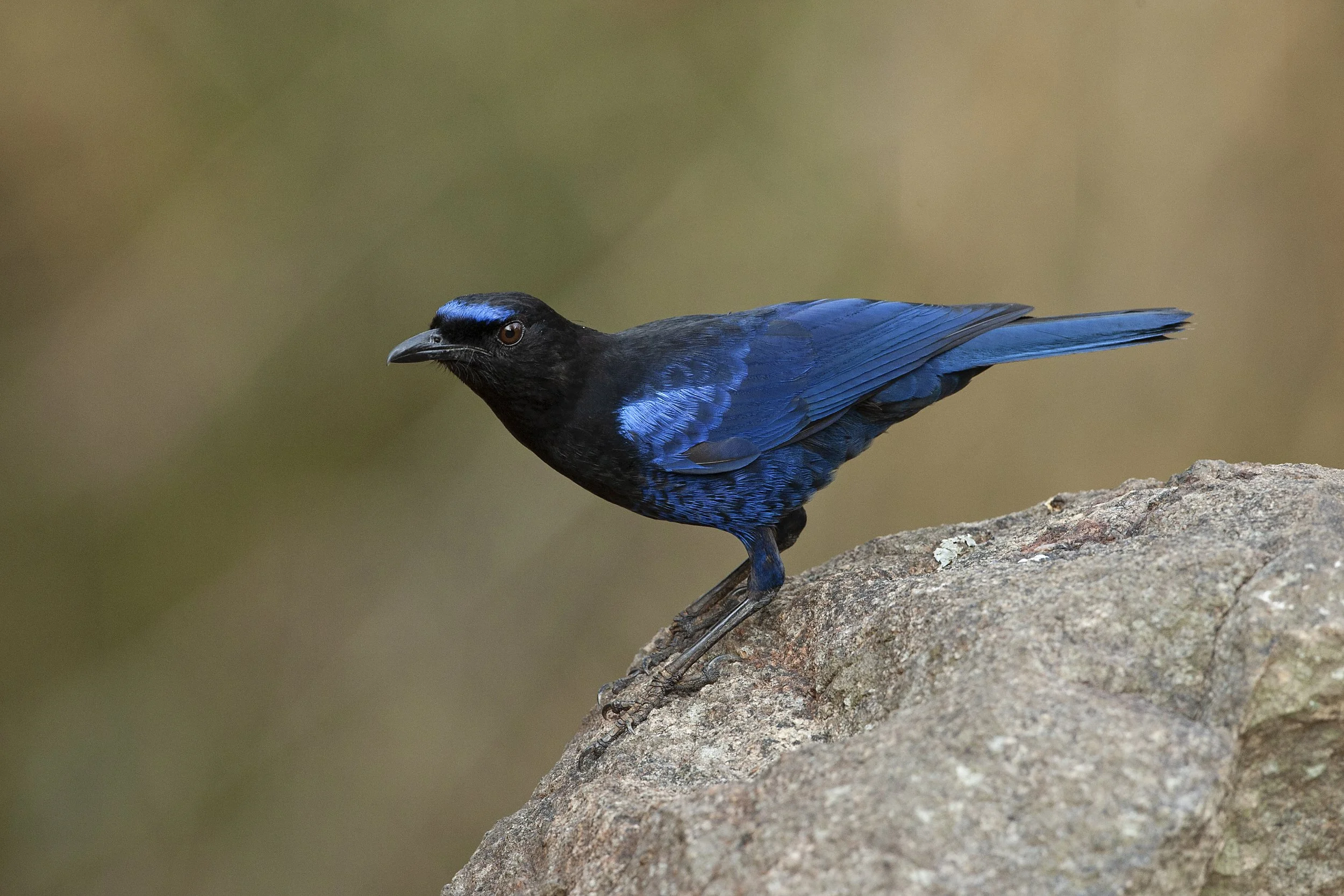
Malabar Whistling-Thrush
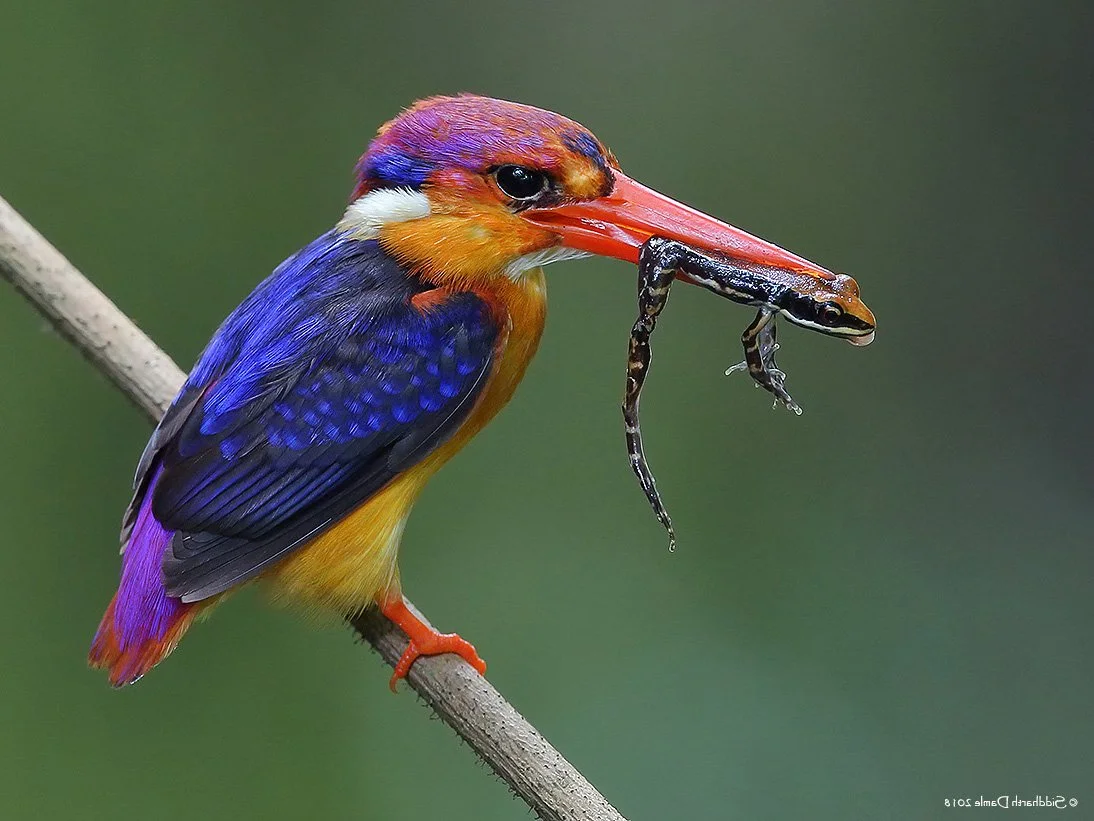
Black-backed Dwarf-Kingfisher
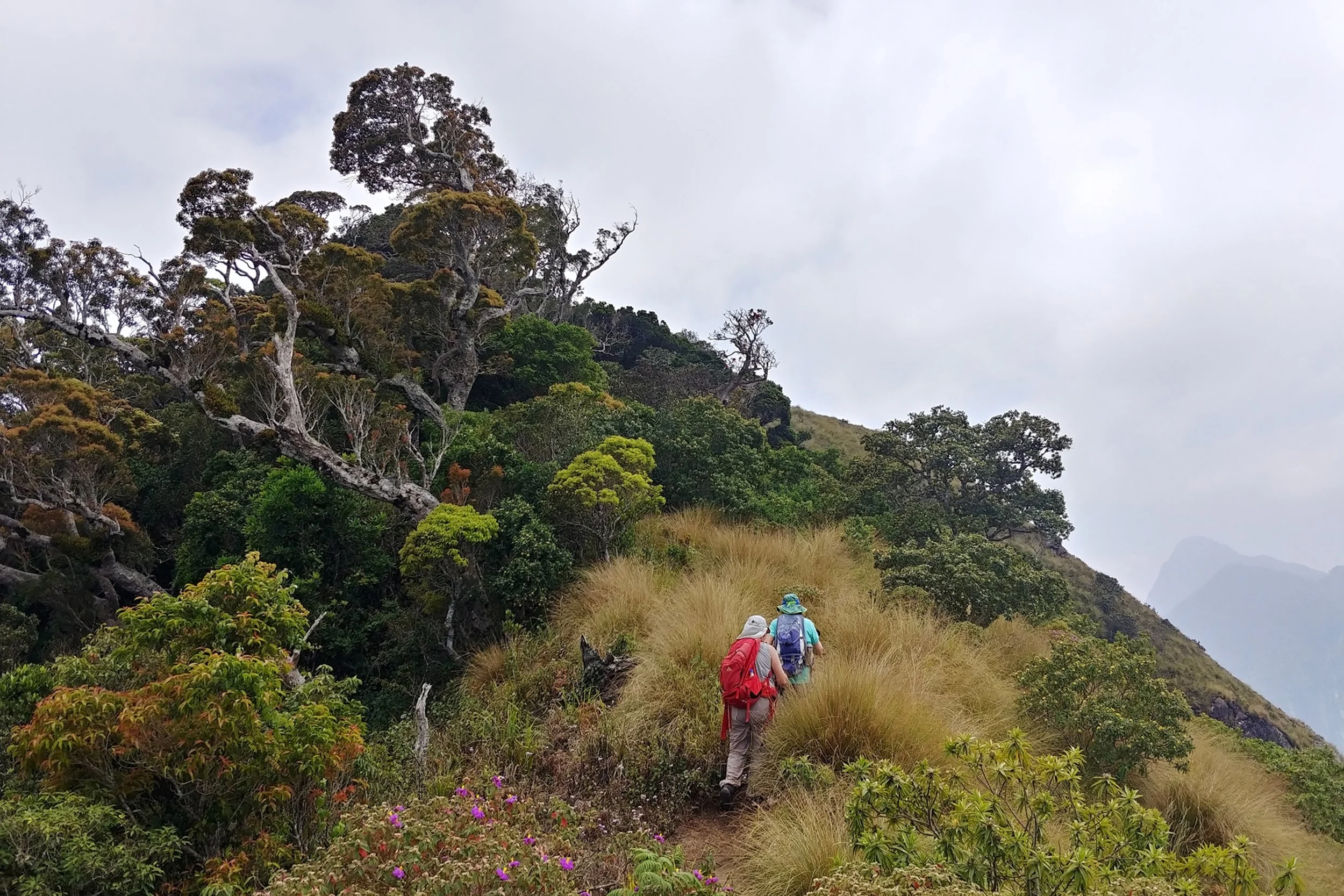
Birding the Ghats
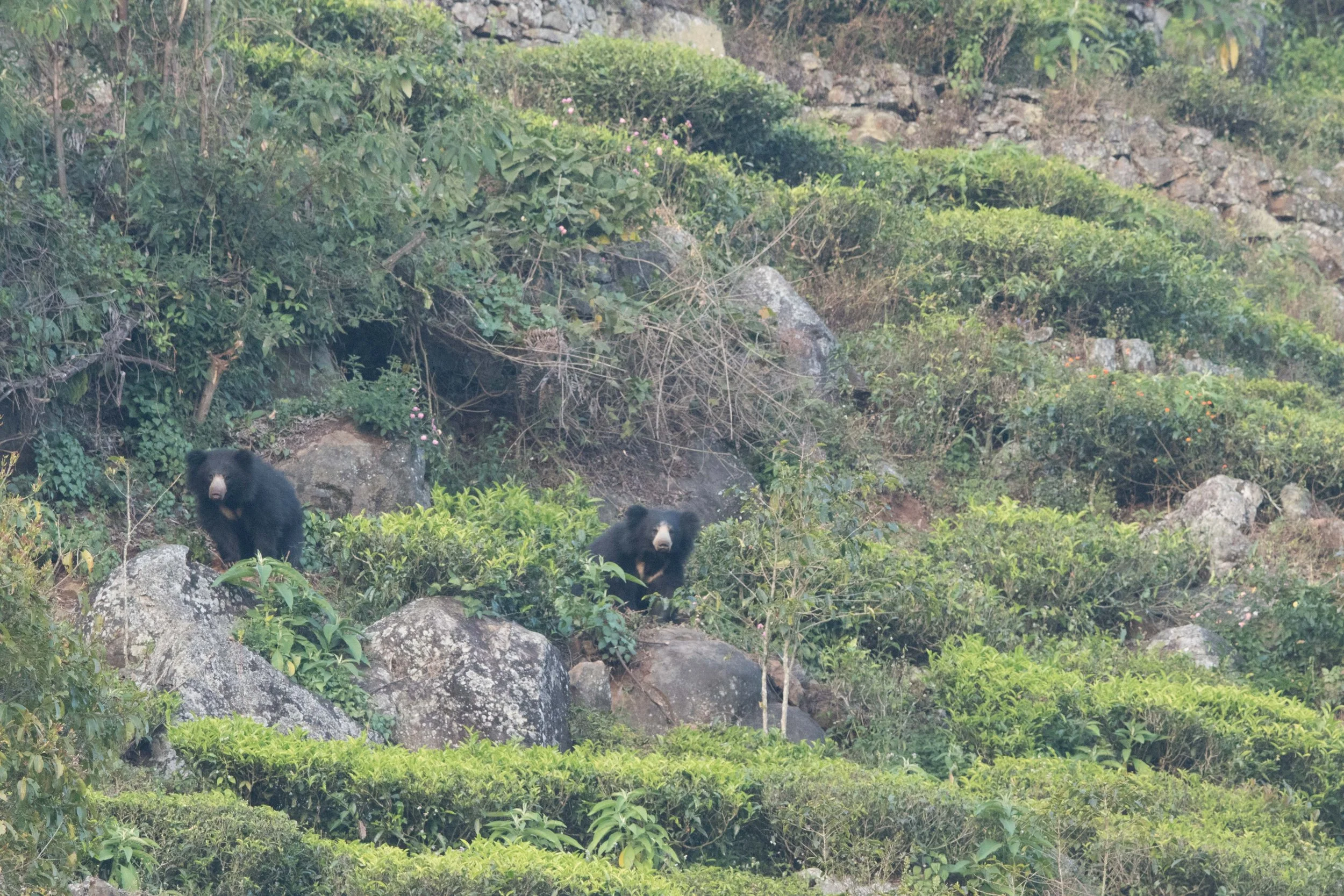
Sloth Bears in Tea Plantation
Spot-bellied Eagle-Owl
Tour Destinations
Thattekad Bird Sanctuary
One of the best known birding sites in southern India, Thattekad represents some of the last remaining lowland evergreen forest of the region, and it was the first bird sanctuary in Kerala. Legendary ornithologist Salim Ali (1896-1987) of Mumbai, a.k.a. “the Birdman of India", referred to Thattekad as “the richest bird habitat on peninsular India”. The 25 sq. km sanctuary supports over 300 species of birds. During our time here we will look for Western Ghats endemics and regional specials, including the Gray-headed Bulbul, White-bellied Treepie, Legge’s Hawk-Eagle, Malabar Trogon, 2 endemic hornbills, Flame-throated Bulbul, and sought after birds like Slaty-legged Crake, Black Baza, Chestnut-winged Cuckoo, White-bellied Blue Flycatcher, possibly Malayan Night Heron and Malabar Flameback, and more. The impossibly gaudy Black-backed Dwarf-Kingfisher is more often heard than seen, but frequents the area, and we should also encounter some overwintering migrants too. Our jungle walks could yield mammals too, such as Indian Spotted Chevrotain (Mouse Deer), otters, elephants, and Sambar (a large deer). Night birding can be rewarding at Thattekad. We’ll spend some time early in the evenings to search for Jerdon’s Nightjar and Great Eared-Nightjar, and there are 8 species of owls possible. We’d need luck to connect with all, but the odds are good to encounter a few, and among the possibilities is the regal Spot-bellied Eagle-Owl, and the Oriental Scops-Owl. On rare occasions, the Gray Slender Loris can make an appearance during these night sojourns.
Periyar Tiger Reserve
Situated amidst the Cardamom Hills astride the border with Tamil Nadu, Periyar is a mosaic of tropical and subtropical humid broadleaf forests, montane grasslands and savannas. Common tree species include teak, rosewood, sandalwood, mango, jamun, tamarind, banyans, sacred fig, and Malabar Kino, among others. We’ll work the forest trails in search of the sneaky yet social Wayanad Laughingthrush, as well as Malabar Imperial-Pigeon and Legge’s Hawk-Eagle. The leeward slopes can feature dry forest birds, including the Yellow-throated Bulbul. We plan to visit the shola forests of the Western Ghats as well.
Lion-tailed Macaque
Munnar & Eravikulam National Park
The rolling hills where Munnar is situated made it a popular hill station, and for tea plantations, established in the late 1800s. The verdant views and the proximity to Eravikulam National Park continue to make it a popular spot amongst nature enthusiasts, and it's an important site for the endangered Nilgiri Tahr. Today found only in the southern reaches of the Western Ghats, it is the state animal of neighboring Tamil Nadu, and this goat numbers only about 3000 total. Eravikulam holds the largest population. Kerala’s first national park, established in 1978, we will explore the plateau, grasslands, and sholas (a tropical montane forest type found only in the Ghats), and hope to take in views of Anamudi. The highest peak in South India, the “elephant head”, reaches heights of nearly 9000 feet asl. We use battery-operated vehicles to reach the grasslands and sholas where our trail birding begins, here at one of the richest hotbeds of endemism. Keeping our eyes peeled we might connect here with Palani Laughingthrush (one of the 4 Montecincla species), Nilgiri Sholakili (another endemic genus), Nilgiri Pipit, Nilgiri Thrush, Painted Bush-Quail and the Nilgiri and Black-and-Orange flycatchers. Keeping alert and with real luck, while unlikely, it is not impossible to encounter the rare Nilgiri Marten around the forest-grassland habitat during our time here.
Valparai
Another hill station/summer retreat area, Valparai is located within the state of Tamil Nadu, well known also for its tea plantations, it is of interest to nature enthusiasts as a good place to see the unique Lion-tailed Macaque. Known locally as the Wanderoo, this is another endangered and endemic mammal, numbering about 3000 individuals. We shall try to see this remarkable looking animal while also keeping our eyes out for Great Hornbills, Legge's Hawk Eagle, and more. A visit to the nearby Aliyar Reservoir could hold a variety of birds including Purple-rumped Sunbird or White-browed Bulbul, among others.The drive to Valparai crosses through a variety of smaller forest patches, grassland belts and tea gardens, some of which could yield endemics, including Rufous Babbler, Waynad Laughingthrush, or animals like Stripe-necked Mongoose or Brown Mongoose, and flying squirrel, Brown Palm Civet, or Western Ghats flying lizard could feature here as well.
eBird Hotspot (Valparai Plateau)
Chinnar Wildlife Sanctuary & Pollachi
Another idyllic mountain town, Pollachi offers classic Western Ghat scenery, and is well known as “Coconut City” for its big lush stands of the trees, and for its market for copra (for coconut oil). It’s also known as a big filming location, and over 1500 movies have been made here. For us the draw is the access to the pristine wildlife sanctuaries. Some slopes here feature sandalwood forest including for the endangered Red Sandalwood, and the scrub and thorn forests can hold treasures too. We plan to duck into Chinnar Wildlife Sanctuary. Famous as a spot for the Indian Star Tortoise, the most heavily pursued species of tortoise/turtle in the illegal pet trade, we’d need luck to see that, but we can also look for grizzled giant squirrel here. And other species here can include the Yellow-throated Bulbul, or the nicely patterned Graceful Day Gecko.
Coonoor & The Nilgiri Hills
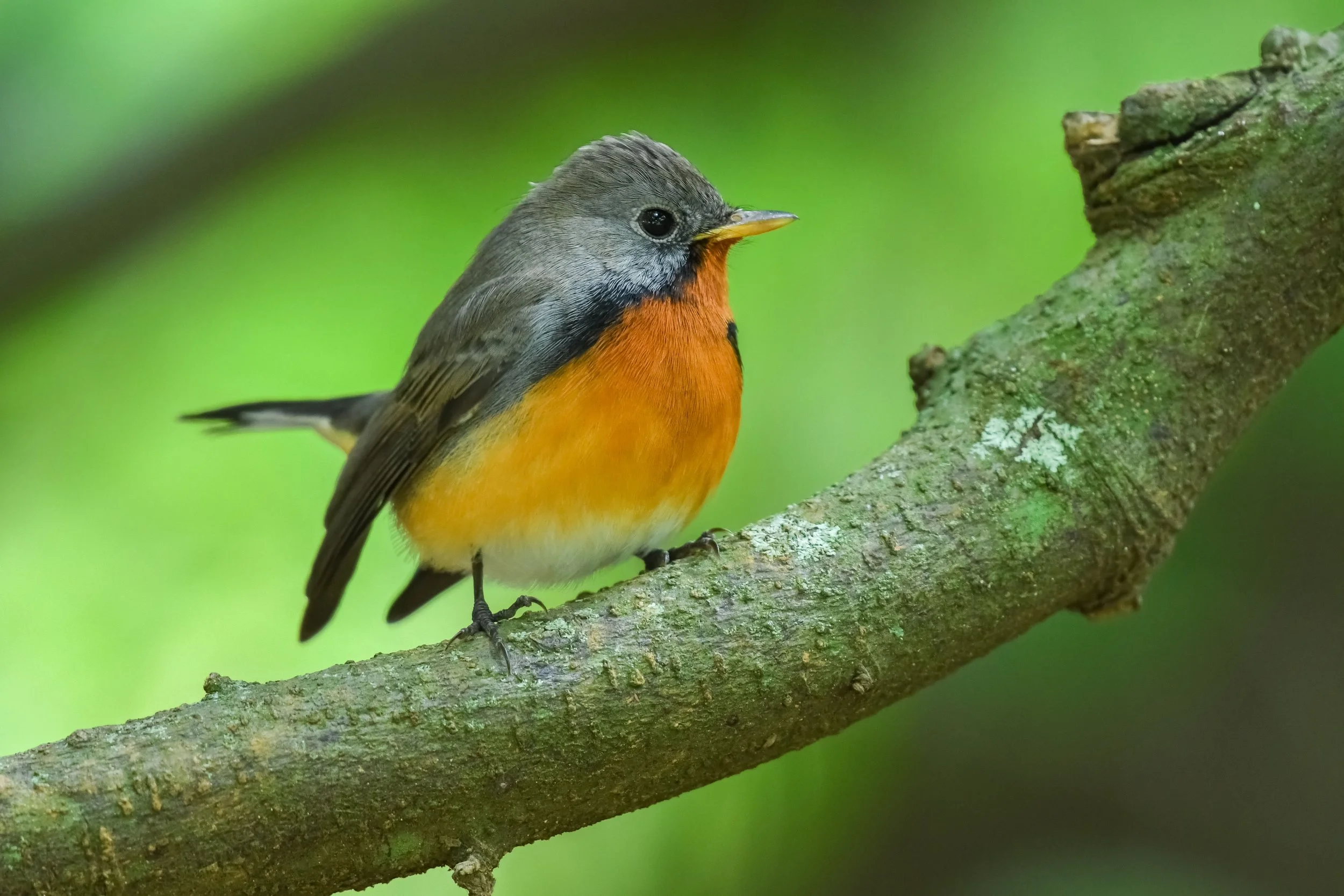
A picturesque range where the Western and Eastern Ghats meet, the Nilgiri Hills are named for the Neelakurinji (Strobilanthes kunthiana) which are a rich purplish-blue and only bloom once every 12 years. Nilgiri means “blue mountain” and north of the Palaghat gap, which separates these hills from the Anamalai Hills, there are a different set of endemics. Recognized as a UNESCO Biosphere Reserve, these hills host birds like Nilgiri Sholakili and Nilgiri Laughingthrush, and we might see Kashmir Flycatcher, Black-and-Orange Flycatcher, Nilgiri Wood-Pigeon, Malabar Parakeet, Orange Minivet, and Heart-spotted Woodpecker. It's a good area for mammals too, and keen eyes might spot Sloth Bear, or one of the majestic black leopards known from this region.
Kashmir Flycatcher
Masinagudi
Nestled within the buffer zone of Mudumalai National Park, Masinagudi is known for its lush forest, and as a premier birding hotspots within the Nilgiri foothills. Set within the Sigur Plateau, here we seek resident birds like White-cheeked Barbet, Malabar Whistling-Thrush, Malabar Trogon, Malabar Grey Hornbill, White-bellied Minivet, Great Hornbill, Rufous-bellied Eagle, Black-and-Orange Flycatcher, Nilgiri Wood-Pigeon, and and the critically endangered White-rumped and Indian Vultures. We have chances too for some migratory birds such as Pied Harrier and possibly even Indian Pitta. The 124 square mile Mudumalai National Park hosts many elephants, Gaur (a.k.a. Indian Bison, the largest wild cattle species in the world), all prosper here. Giant Honey Bee (Apis dorsata) are also conspicuous with many nests, while large cats and Dhole (wild dogs) occur but are seen less frequently.
Arrival (Feb 20th) & Departure (Mar. 4th)
On your arrival into the International airport in Kochi and after clearing customs & immigration, a Hillstar Nature representative will receive and escort you to your hotel. Our hotel at Thattekad is 1.5 - 2 hours from Kochi (formerly known as Cochin). On the last day of the tour, lunch is the last meal included, and we will aim to be at the airport by 3pm. If you plan to fly out the night of March 4th, you should not schedule your flights before 6pm.
If you wish to arrive early or stay late, we can assist with those arrangements.
PRICE & BOOKING INFO
Tour Price/person*: $7765
Deposit: $1000
Single supplement: $1450, limited availability
Final Payment Due: October 21, 2027, or at registration if after.
Group size: 7 to 12 guests
*Based on double occupancy at lodgings, with a group size of 7 to 12 registrants. Maximum group size is 12 registrants, plus guide(s) and driver(s). If there are fewer than 7 registrants, this tour may be cancelled or re-negotiated. Note that if you want a roommate we can try to find you one, but we cannot guarantee all guests a roommate. If none is available, you will be charged the single supplement.
· Our tours are priced with a built-in Check/Zelle discount. Credit card and ACH Bank Transfer payments incur processing fees that will be indicated on the payment page.
· ACH/CC: Please use the payment link in the email you receive after making your deposit.
· Checks: Payable to Hillstar Nature, LLC, 8225 Germantown Avenue, P.O. Box 4305, Phila. PA 19118.
· Zelle: Email your Zelle email/phone# to info@hillstarnature.com to receive a Zelle payment request.
· Please Note: Any add-on expenses like additional nights in a hotel pre or post-trip will be billed separately.
The tour price (fee) includes:
All accommodations from Day 1 until Day 13.
All meals from dinner on Day 1 through lunch on Day 13.
All transportation from airport pick-up on Day 1 to airport drop-off on Day 13.
All guiding services,access permits and entrance fees to birding areas included.
Tips for drivers, hotel, & restaurant staff.
Excluded from your tour fee are:
International arrival & departure flights.
Alcoholic beverages
Personal expenses such as laundry services, charges for phone calls, additional expenses associated with travel such as insurance, visa fees, airport taxes, airline baggage fees, COVID tests, vaccinations, etc.
Tips for the local guide (recommended $5 to $10/day/person).
Documents
All travelers must have a current passport, valid for six months beyond the start date of this tour, with at least one blank page for visas. A tourist visa is required of visitors from the US/Canada.
Hillstar Nature strongly recommends all guests purchase travel insurance that covers Trip Cancellation, Trip Curtailment, Trip Interruption, and Emergency Medical and Medical Evacuation.
CANCELLATION POLICY
Please review Hillstar Nature’s Terms and Conditions of Booking at the bottom of the Home page on our website. If a guest/participant cancels registration:
● 120 days or more prior to the start of the tour, a refund is issued minus a $500/person processing fee.
● Between 119 and 90 days prior to the start of the tour, half of the tour fee will be returned to the registrant.
● 89 days or less prior to departure, no refund of payments or deposits are issued.
View Hillstar Nature’s Terms & Conditions of Booking