HMS Colombia: The Mighty Magdalena Valley
March 22 — 30, 2028
With Laurie Goodrich
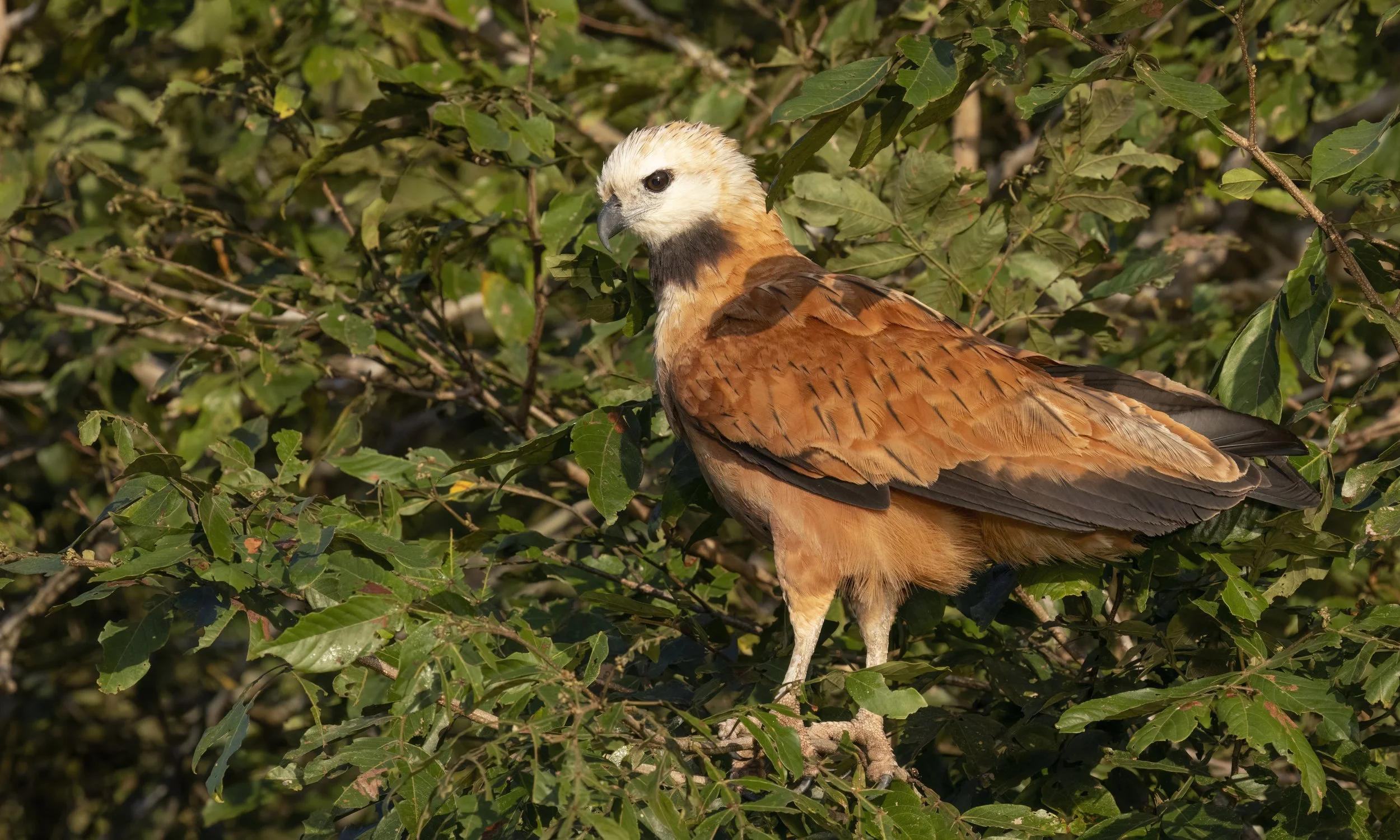
Black-collared Hawk
Join Laurie Goodrich and friends from HMS for hawk-watching in Colombia, and to explore the Magdalena River Valley. Based at two sites, including Ibagué in Tolima, the musical capital of Colombia, and Rio Claro, a famous birding hotspot, we sample the biodiversity of the most bird-rich country in the world.
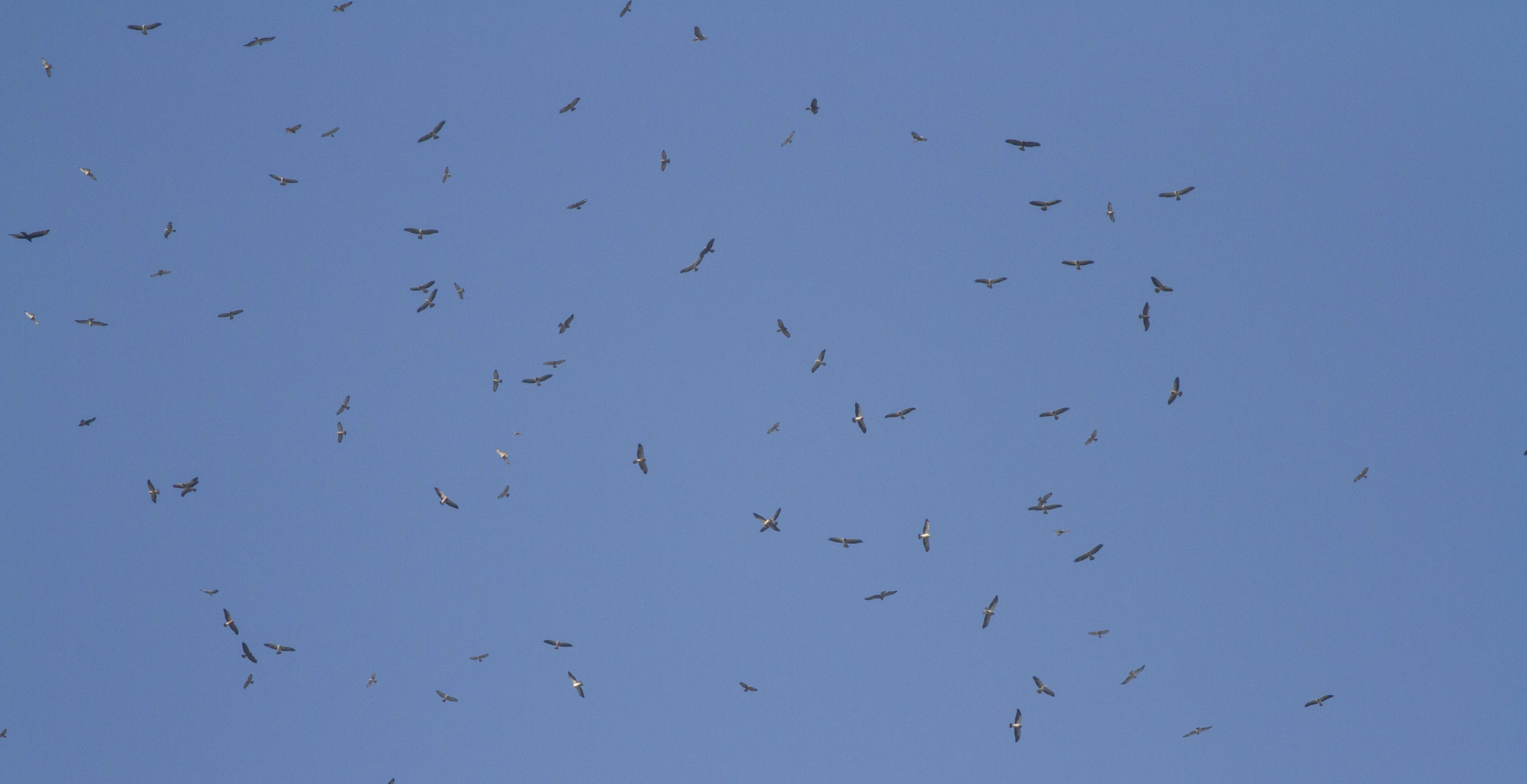
We will spend two days at the Tolima Raptor Count, hopefully marveling at migrating raptors. Seasonal spring counts here in the Cordillera Central of the Andes have yielded over 700,000 raptors. Most of these are Swainson’s hawks and Broad-winged hawks, but we will see other birds too, and near the hawkwatch site are many well known birding areas, that could yield sought after species such as Rosy Thrush-Tanager, Yellow-tufted Dacnis, Bar-crested Antshrike, among others.
At Rio Claro we will visit a couple reserves and look to connect with an incredible array of species including Oilbird, Antioquia Bristle-Tyrant, Magdalena Antbird, Beautiful Woodpecker, and more. Add to this a 2-night pre-tour option focused on Tolima’s three endemic birds, and a daytrip option to explore the electric streetlife of Medellin, and you’ve got a thrilling mix of visible migration of hawks, iconic birds of Colombia’s biggest river valley, and some fascinating cultural elements as well.
Join us as we join with our friends in Colombia for hawk-watching and fantastic birding.
Tour Plan
Day 1, March 22nd: Arrival in Bogotá, night in Bogotá.
Day 2, March 23rd: Drive to Ibagué, stopping at Mana Dulce for birding en route, night at Hotel Sonesta in Ibagué.
Day 3, March 24th: Birding near Ibagué, at/around the Hawkwatch, and other nearby sites, nights at Hotel Sonesta in Ibagué.
Day 4, March 25th : Birding near Ibagué, at/around the Hawkwatch, and other nearby sites, nights at Hotel Sonesta in Ibagué.
Day 5, March 26th: Travel/transfer (5.5 hours drive) for mid-day birding at Gaurincito Lagoon en route to Rio Claro, night at El Rio Lodge.
Day 6, March 27th: Birding Rio Claro Reserve, night at El Rio Lodge.
Day 7, March 28th: Birding reserves near Rio Claro, night at El Rio Lodge.
Day 8, March 29th: Transfer and birding our way from Rio Claro to Rio Negro (MDE, international airport at Medellin), night near MDE.
Day 9, March 30th: Flights home from MDE, or city tour.
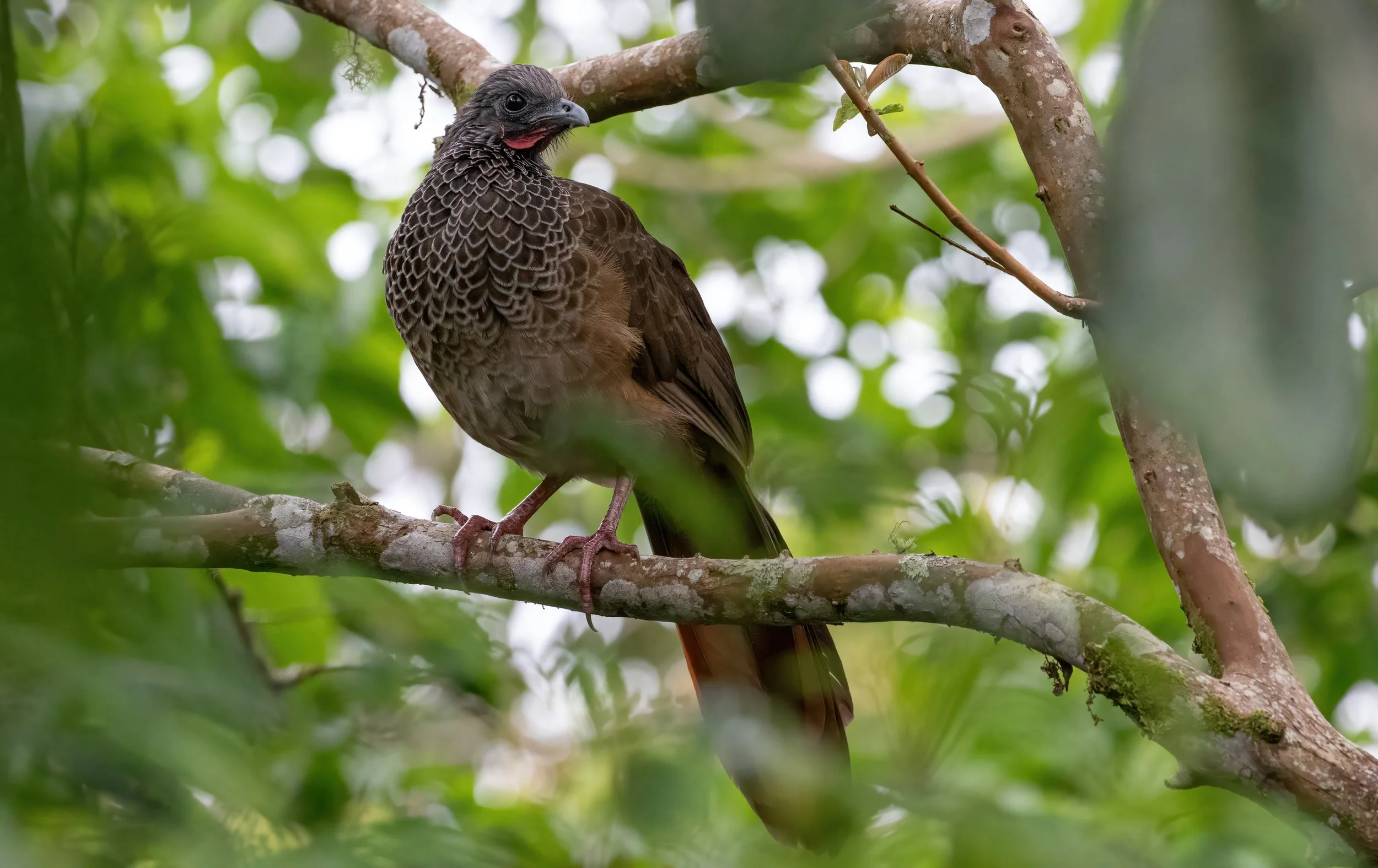
Colombian Chachalaca
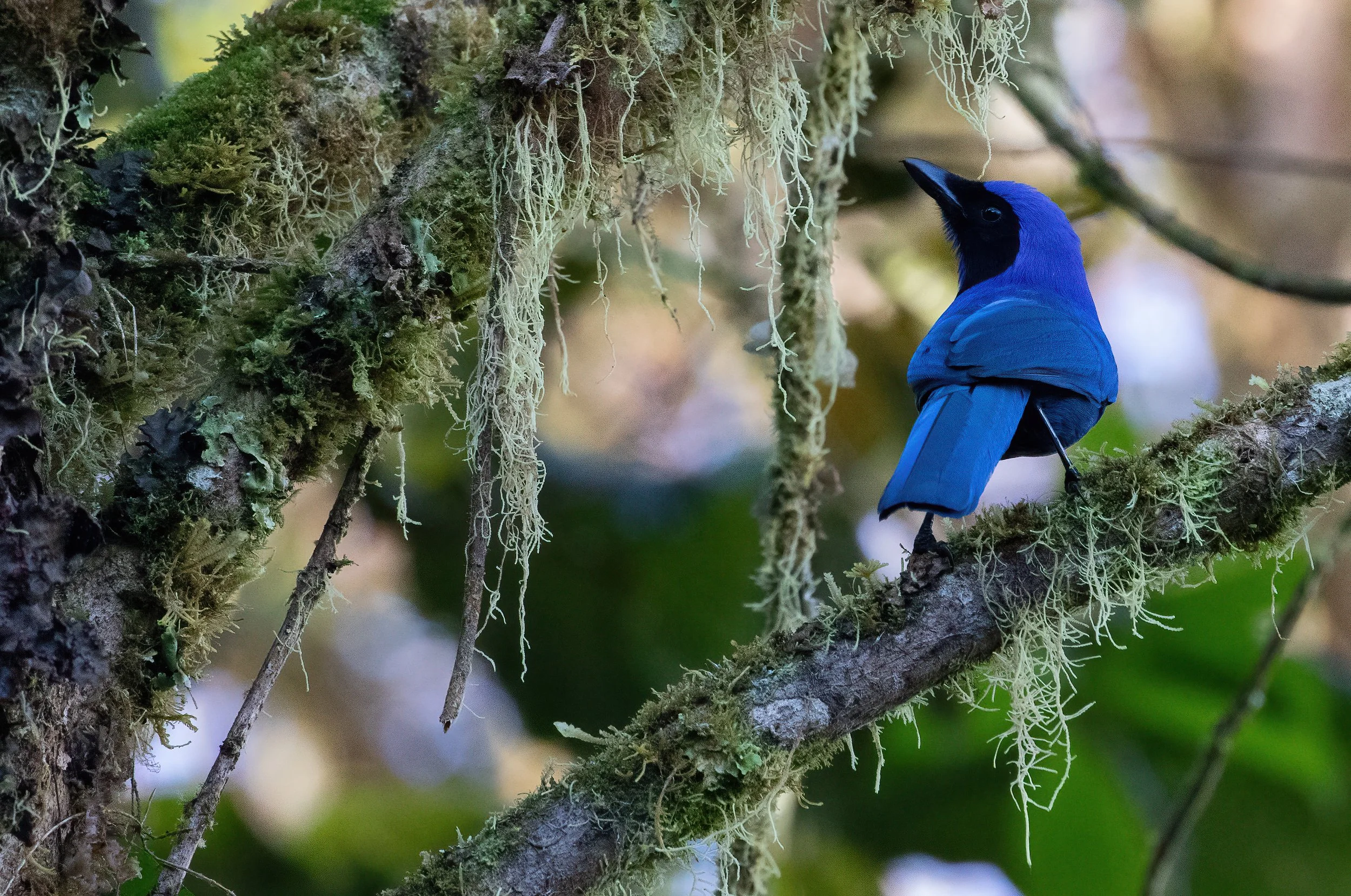
Black-collared Jay
Birding Sites
Tolima: Tolima Raptor Count
Hawkwatching is big in Tolima, Colombia, and the Raptor Count here has become well known both as a site for important conservation work and just as a site to see big movements of migrating raptors. Esther Viviana Vallejo is the primary leader and driver of the work here, and we look forward to learning more about this unique area from her. The raptor count areas are tucked into the foothills of the Cordillera Central (Central Andes) including the Combeima Canyon. Primarily a spring watch, we’ve timed our visit to try and coincide with the flights that pass through here. The site is managed by TROPICOS Colombia and census counters here have logged incredible single-day numbers, sometimes witnessing over 57,000 raptors in just 24 hours! Fingers crossed the conditions during our visit will favor a big movement, but regardless there is always a nice variety of birds to see in the area.
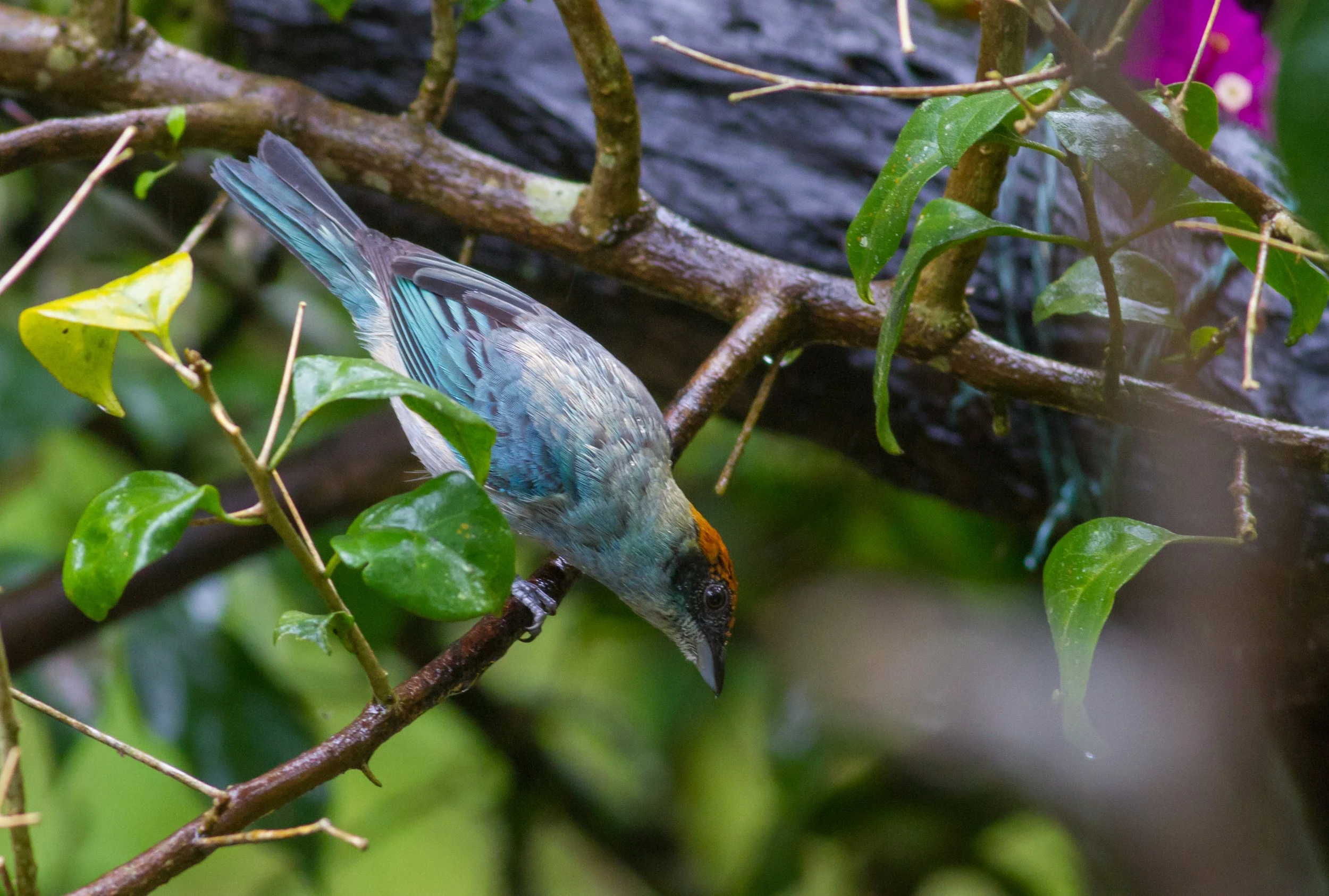
Scrub Tanager
Tolima: Jardín Botánico San Jorge
A lovely preserve of 150 acres, this botanical garden is also a nature reserve with an array of trails, sporting a wonderful variety of flora & fauna. The network of trails wind through sub-Andean forests, with nice collections of orchids, bromeliads, palms, and heliconias, and a butterfly garden. Located at an altitude of just over 4000 feet, the varied habitats here can harbor species such as Colombian Chachalaca, Orange-billed Sparrow, Yellow-tufted Dacnis, Scrub Tanager, and more.
Tolima: Cañón del Río Combeima--El Silencio
One of the top spots in the Tolima Department, nested in near the city of Ibagué, on the eastern slope of the Central Andes, the reserve ranges through sub-Andean forest habitats, below the Nevado del Tolima. Target birds here might include a couple emerald-colored tanagers like Metallic-green Tanager and Grass-green Tanager, and we’ll keep eyes out too for species like Chestnut-bellied Chat-Tyrant, White-rumped Hawk, and possibly the endemic Brown-banded Antpitta.
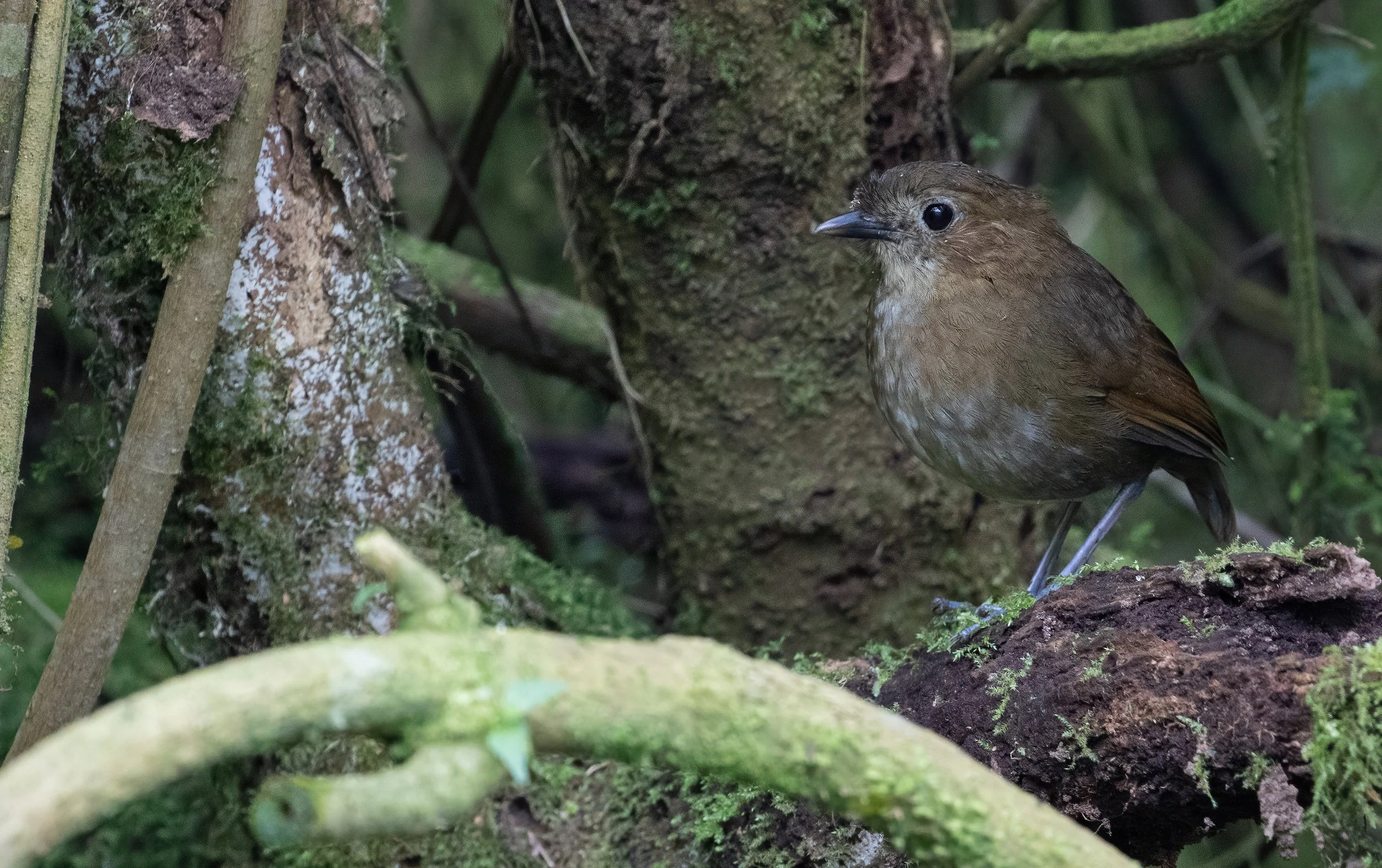
Brown-banded Antpitta
Caldas: Guarinocito Lagoon
Our travel day from Ibagué to Rio Claro will be made much richer with a visit to this wonderful wetland reserve. A real change of pace, we will attempt to cover a nice slice of this 400 acre reserve, in the hopes of connecting with with birds like Black-collared Hawk which hangs here hoping to snatch frogs, lizards, and small mammals, and we’ll hope to hear and see the unique Black-capped Donacobius (monotypic family). A couple species that are more nocturnal in their habits are possible here too, and with keens eyes we could spot the odd Boat-billed Heron, and or maybe a Great Potoo.
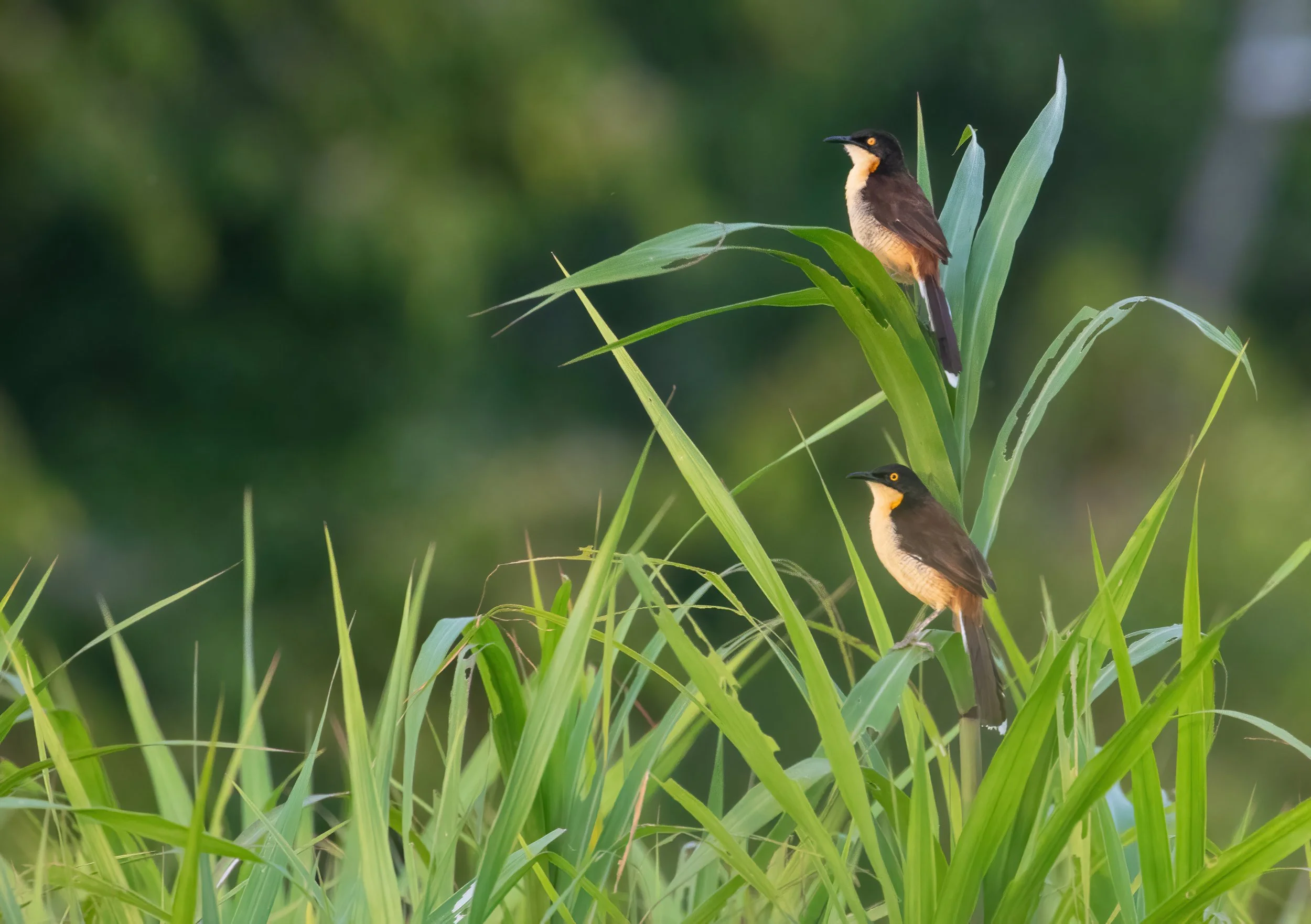
Black-capped Donacobius
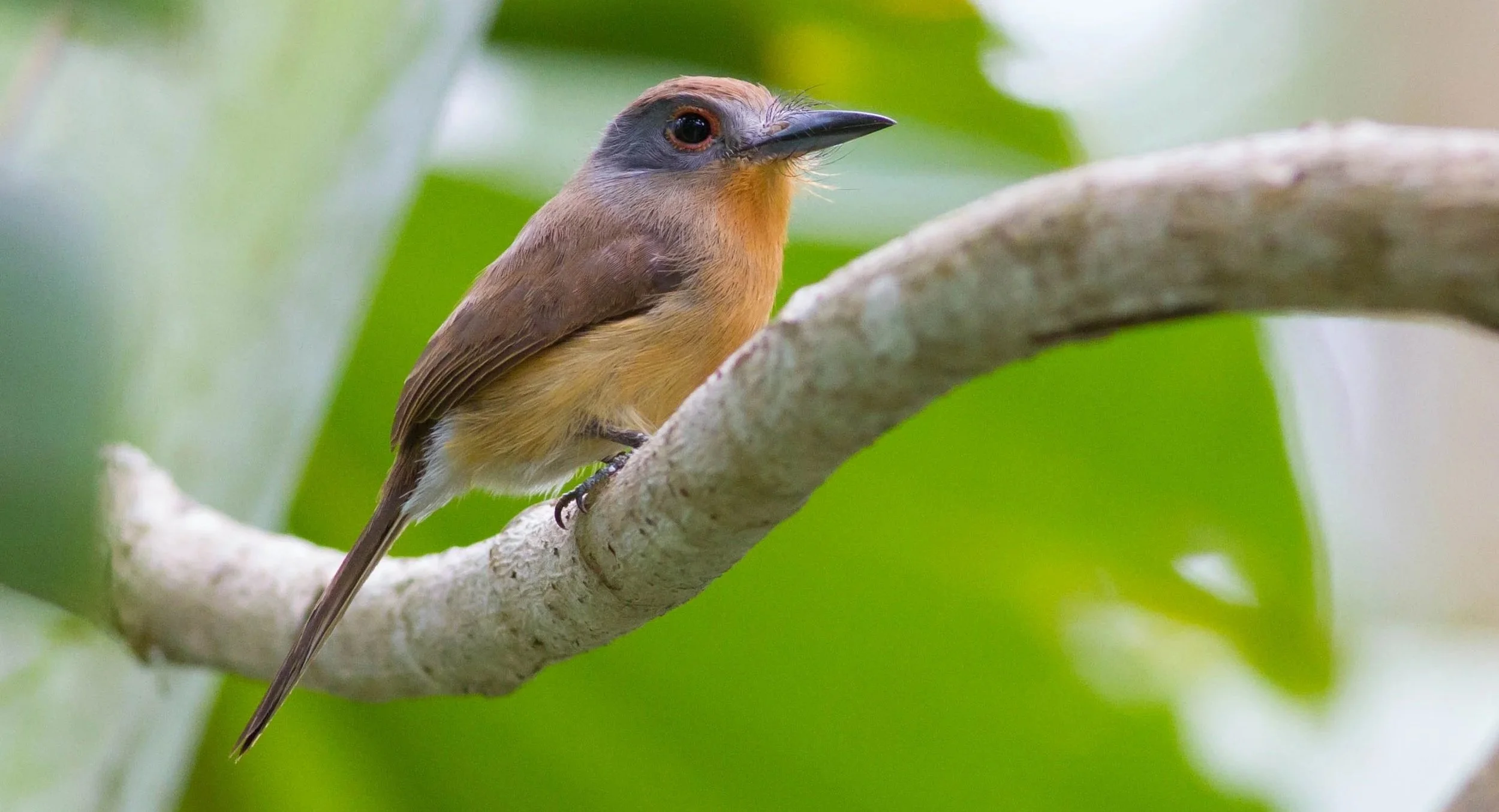
Gray-cheeked Nunlet
Antioquia: Reserva Natural Cañón del Río Claro
One of the best birding sites in all of Colombia, with near to 600 species recorded, the lush humid tropical rainforest here holds many fabulous birds. Sitting about 1000 feet in elevation, even with a full-day to explore this amazing site, one still feels as though they are barely scratching the surface of this incredibly biodiverse hotspot. In the mix will be toucans, motmots, tanagers, trogons, and a decent variety of hummingbirds, and we will make a special effort to try and see species like Black-capped Pygmy-Tyrant (one of the smallest songbirds in the world), the handsome Scarlet-browed Tanager, Velvety Manakin, Gray-cheeked Nunlet and possibly even the striking Blue Cotinga. We’ll need to watch the high exposed perches at mid-morning for the latter. Rio Claro is also well known as one the best place to see the unique (monotypic) Oilbird. A karst marble cavern that has been sculpted forever by the rolling waters of the El Bornego River, dozens of these stinky denizens reside here, and we’ll make our best effort to see them.
Antioquia: Rio Claro Area reserves
There are a handful of reserves not far from our hotel, and after our full-day at Reserva Natural Cañón del Río Claro we will take stock of what we’ve seen and what we haven’t and then make a call about where we are best to spend our time. Primary among our goals during our time here will be to try and connect with rare endemic species like the White-mantled Barbet, Magdalena Antbird, and Antioquia Bristle-Tyrant.