Ecuador
Quest Birds of the Southern Sierra
October 15 — 27, 2027
With George Armistead & local guides
All photos © Doug Wechsler
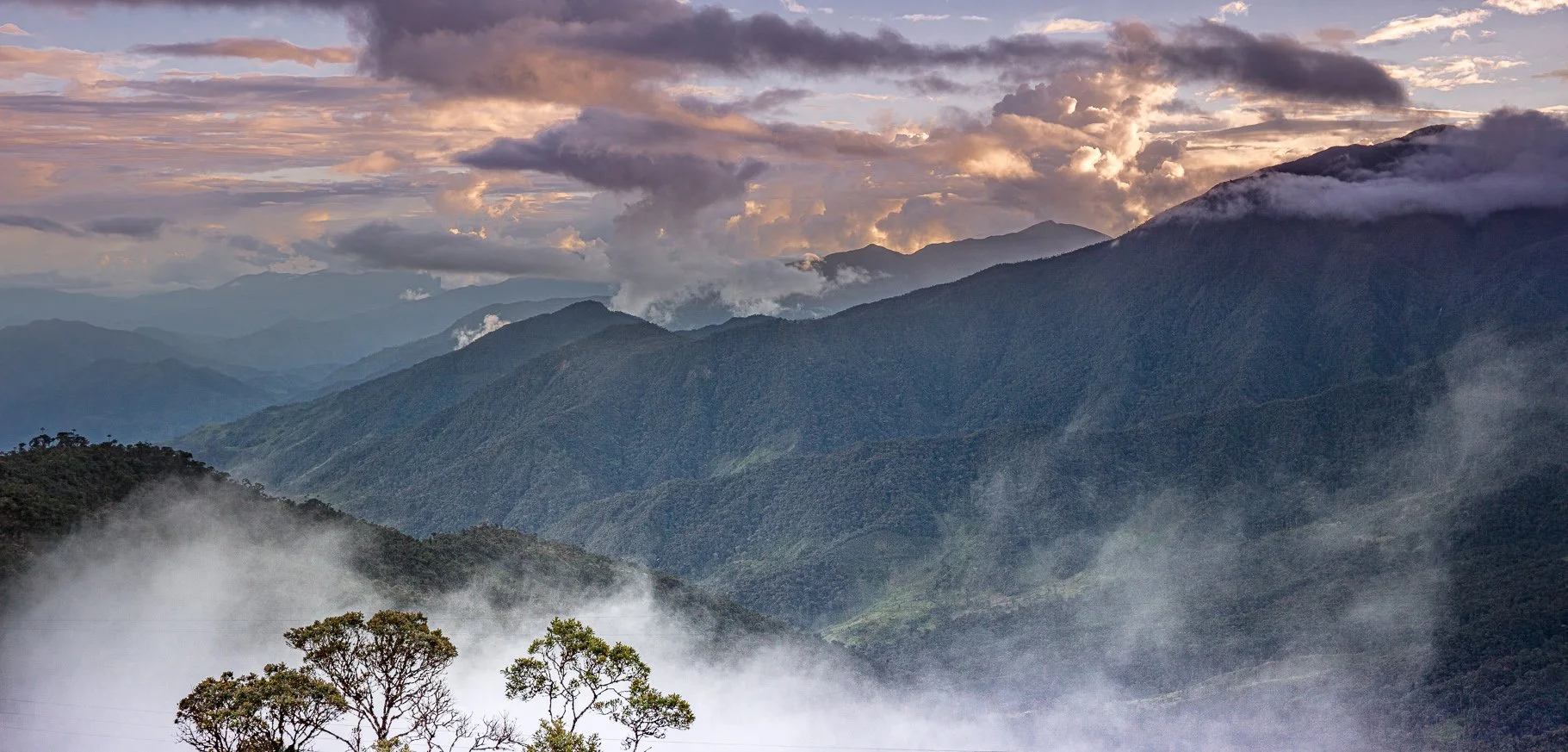
To see a ‘Quest Bird’ one must travel someplace unique. Over 12 nights in southern Ecuador, we zero in on a constellation of rare and range-restricted species of the “Chumbes” region. A uniquely rich zone, combining humid Chocó and arid Tumbesian forests, there’s a powerhouse in conservation known as the Jocotoco Foundation that has been extremely successful in protecting and restoring wildlife habitat. Visiting a string of their reserves, including a couple near Quito, we bird our way through one of the richest areas for avian biodiversity on the planet.
White-tailed Jay
Some of the quest birds include species only recently discovered and only found in the areas we aim to visit. On this special pilgrimage we attempt to see gems like Jocotoco Antpitta, El Oro Parakeet & the uber-rare Blue-throated Hillstar. And we’ll be within the range of a host of other birds often regarded as Andean forest phantoms. Along the way though, we could encounter iconic Andean birds, like Long-wattled Umbrellabird, Andean Condor, Golden-plumed Parakeet, Rainbow Starfrontlet, and so many more.
And, it’s a Hillstar trip to go for the world’s rarest hillstar. Join us for an astounding pageant of birds, including many rare and range-restricted species, all as we support the work of an amazing conservation force.
Jocotoco Antpitta
Tour Features
Featuring a star-studded line-up of classic Andean birds, + rare & range-restricted species, & even a chance for Spectacled Bear.
Experience & learn about Tumbes-Piura dry forest & humid Pacific forest of Ecuador’s Southern Sierra.
The High Andes & the páramo, with above tree-line sites, over 12,000 ft in elevation.
Meet & support a boots-on-the-ground conservation organization, Jocotoco Foundation, and see their work in action.
Little bit of Quito time too, with 1.5 days of birding, incl chance at seeing Pichincha & Antisana volcanoes.
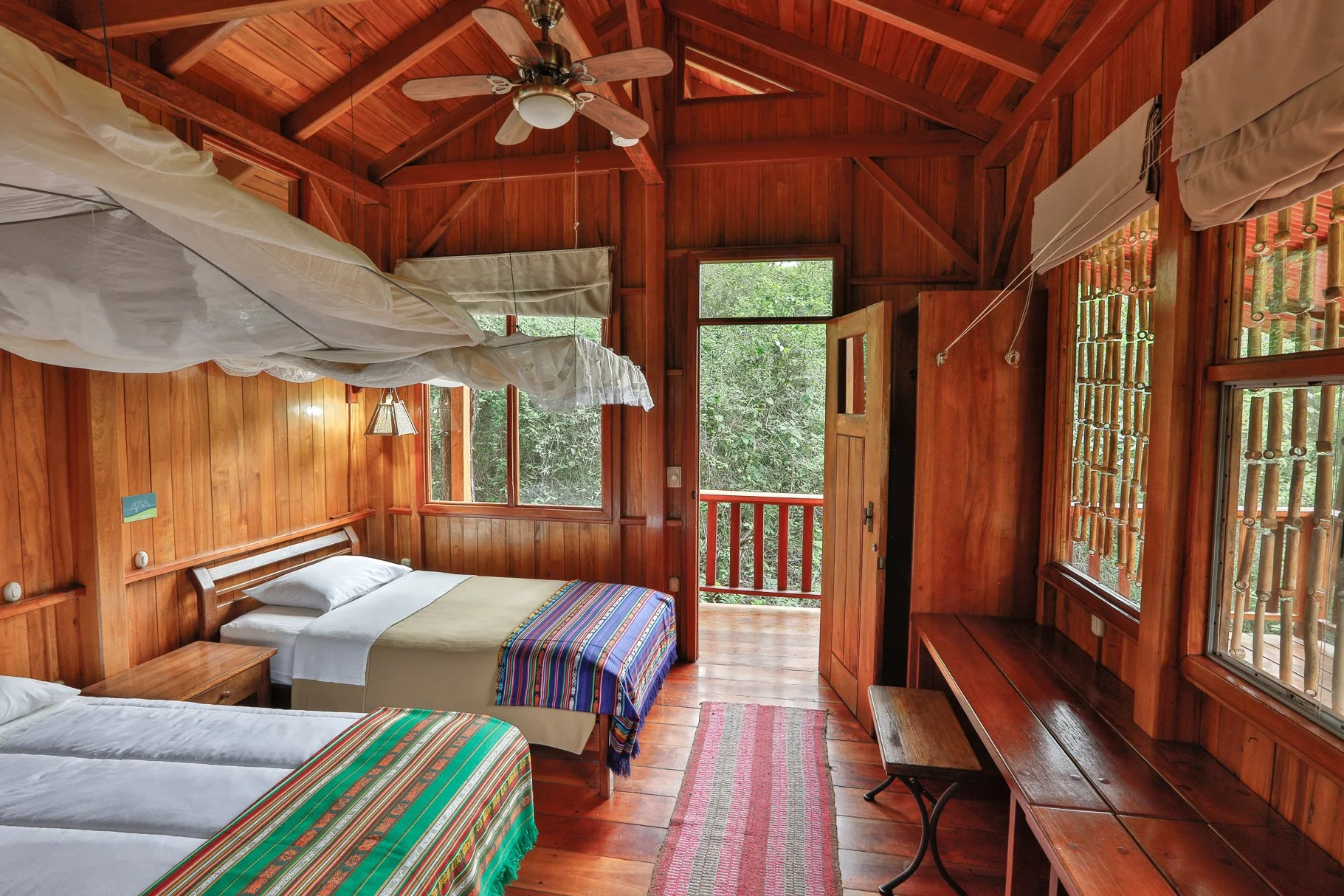
Good lodging, mostly at birding lodges that fund conservation, with great birding right on hotel grounds.
Tour Plan
Day 1: Arrival into Quito (UIO), Welcome Dinner, and night in Quito.
Day 2: Yanacocha Reserve, and night in Quito.
Day 3: Flight Quito > Santa Rosa, transport (~75 mins), check-in & night at Umbrellabird Lodge.
Day 4: Exploring Buenaventura Reserve, night at Umbrellabird Lodge.
Day 5: 4x4s up to Cerro de Arcos (12,000 ft elevation) for the night.
Day 6: 4x4s back down to Buenaventura, night at Umbrellabird Lodge.
Day 7: Transfer (5 hrs drive) to Jorupe Reserve, night at Urraca Lodge.
Day 8: Exploring Jorupe Reserve, night at Urraca Lodge.
Day 9: Transfer (5.5 hrs) to Tapichalaca reserve, night at Casa Simpson.
Day 10: Exploring Tapichalaca Reserve, night at Casa Simpson.
Day 11: Flight Loja > Quito, and night in Quito.
Day 12: AM Birding Chakana Reserve, and after lunch drop-off at UIO for flights home.
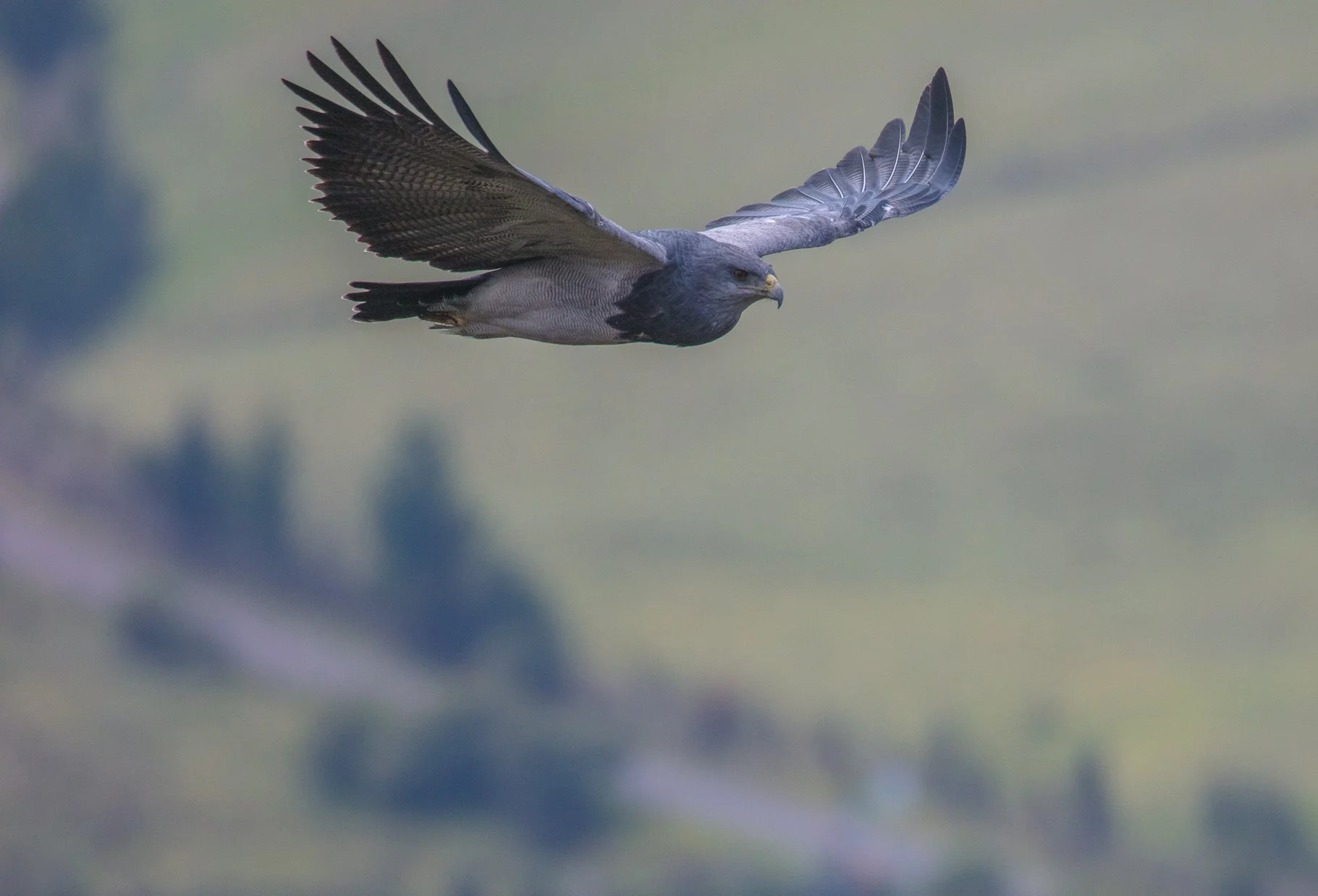
Black-chested Buzzard-Eagle
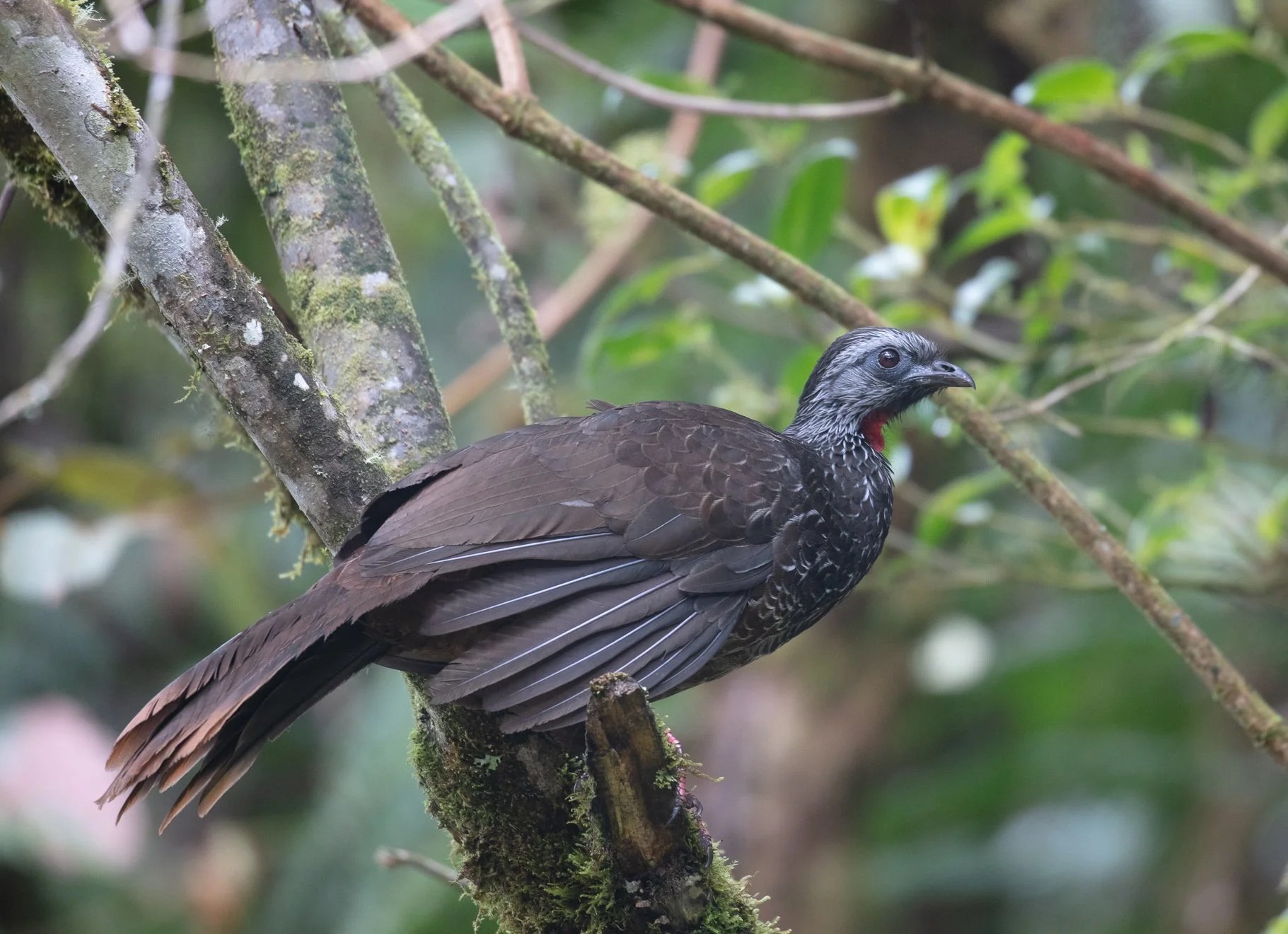
Bearded Guan
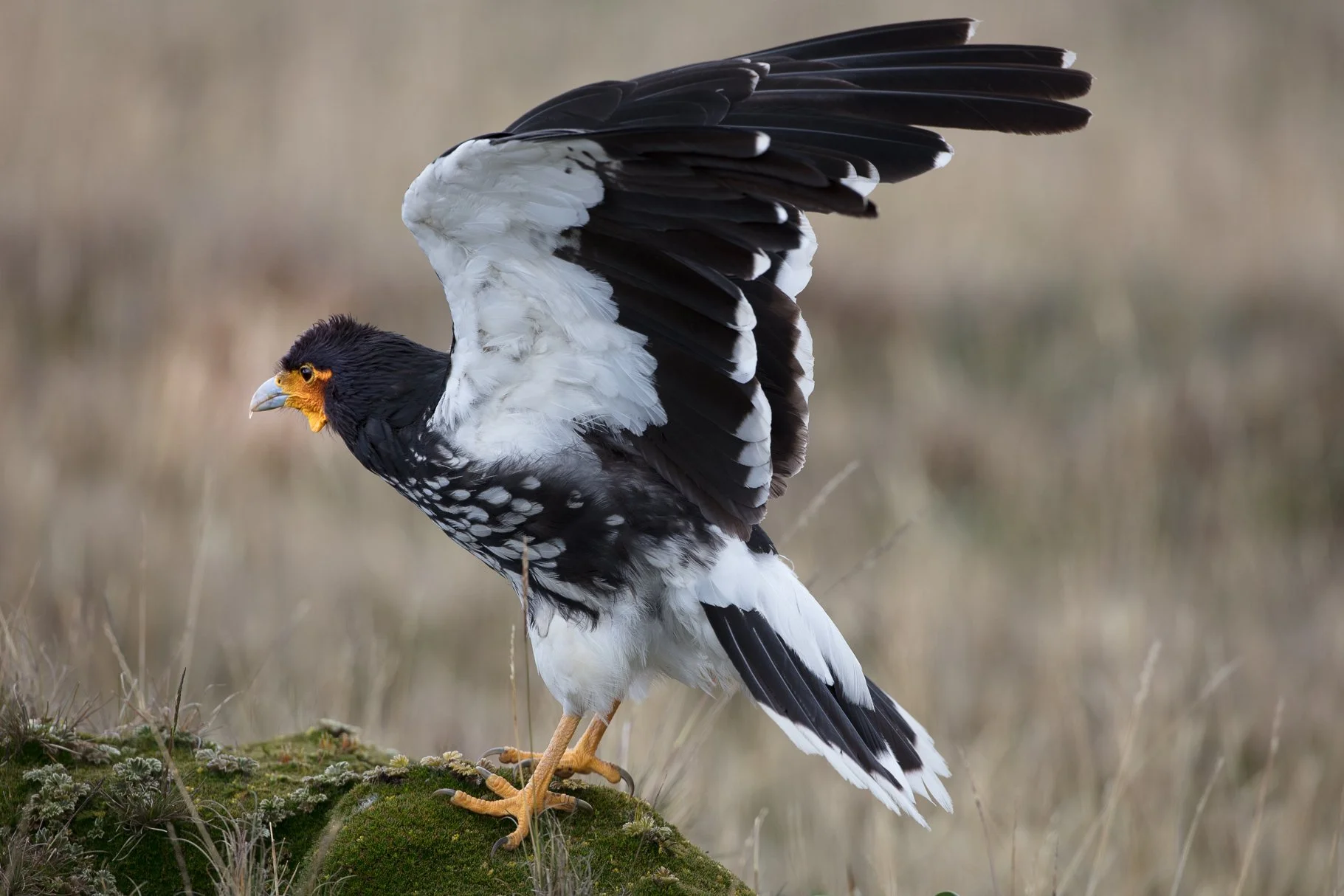
Carunculated Caracara
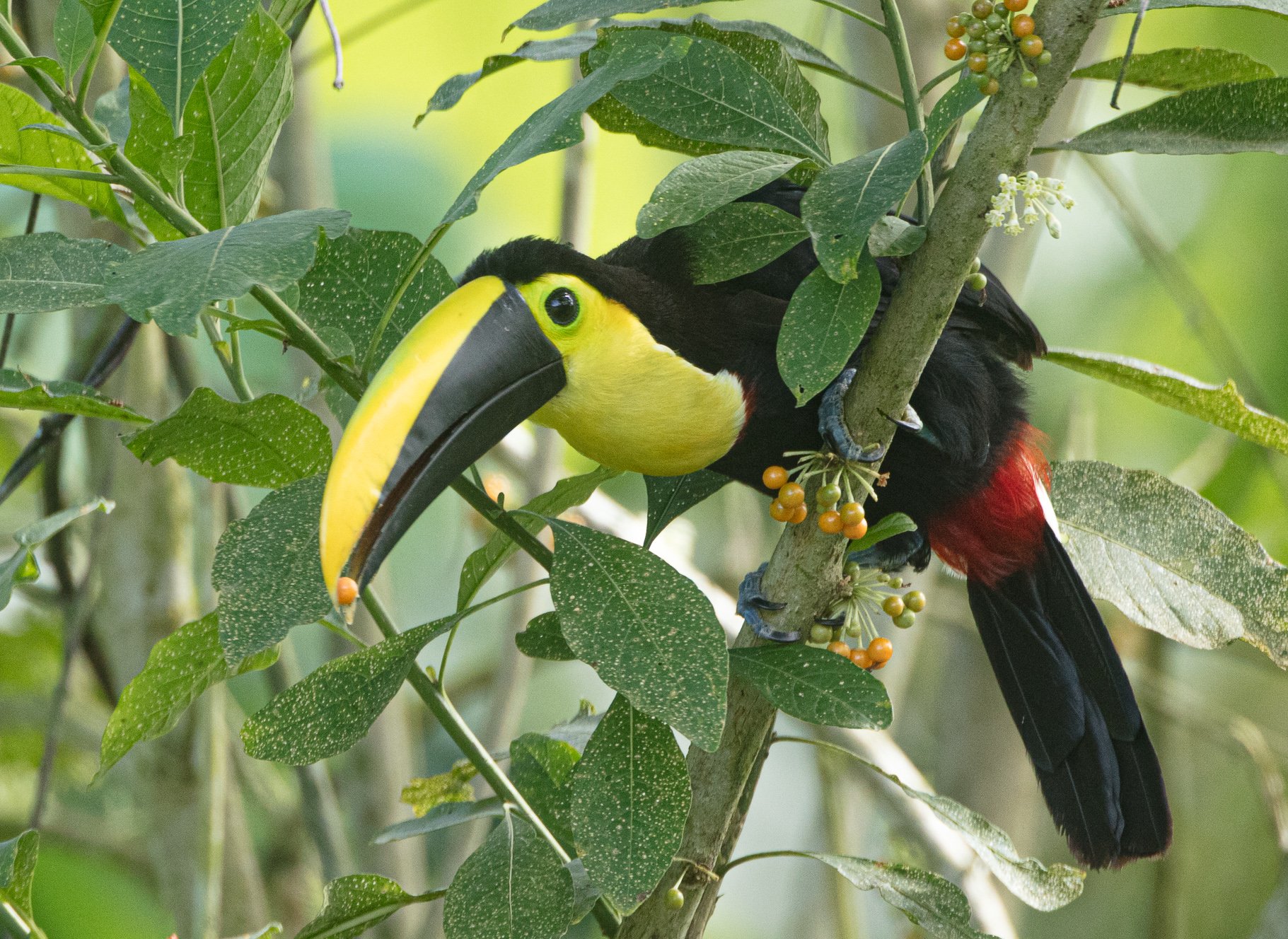
Choco Toucan
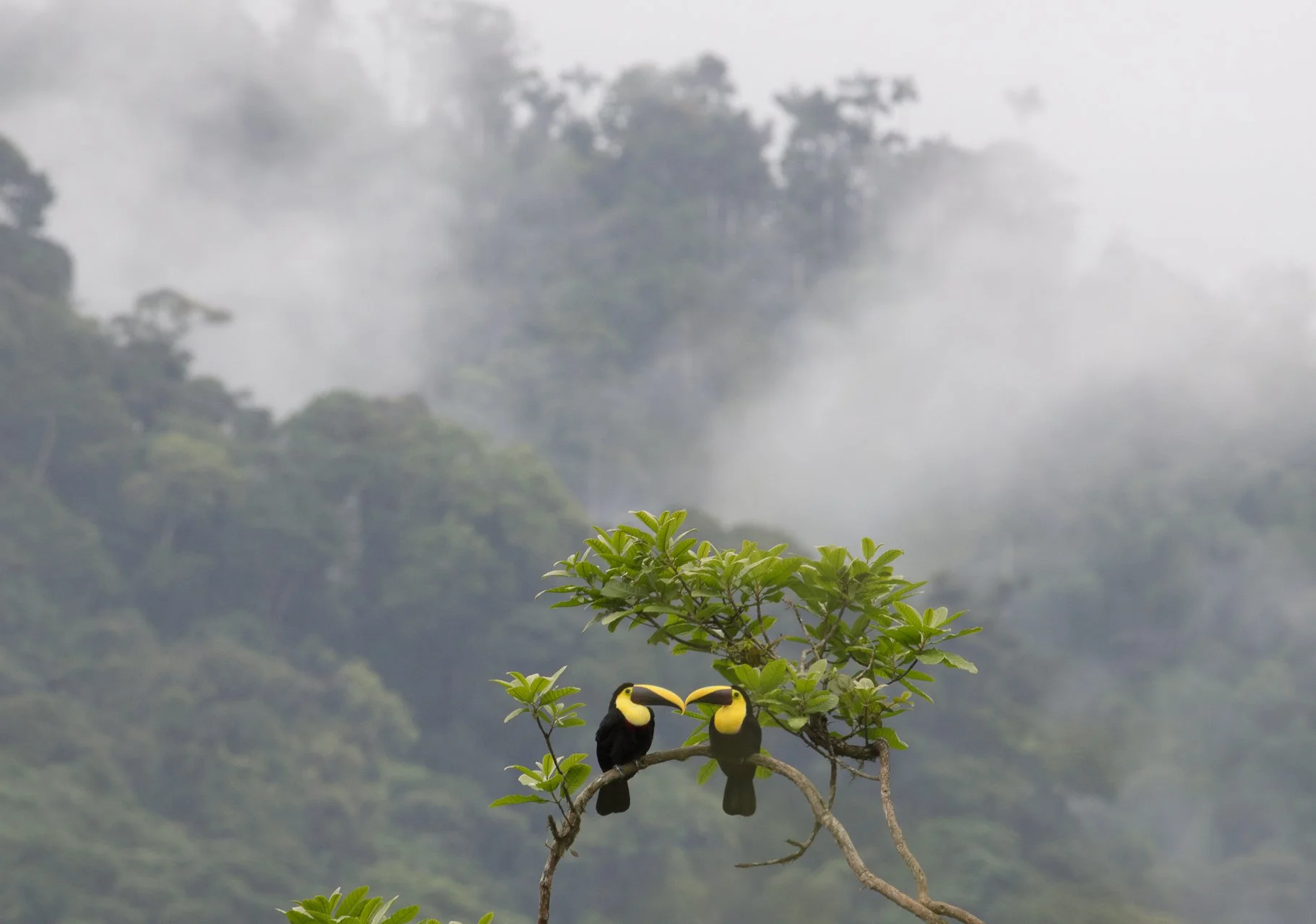
Chestnut-mandibled Toucan
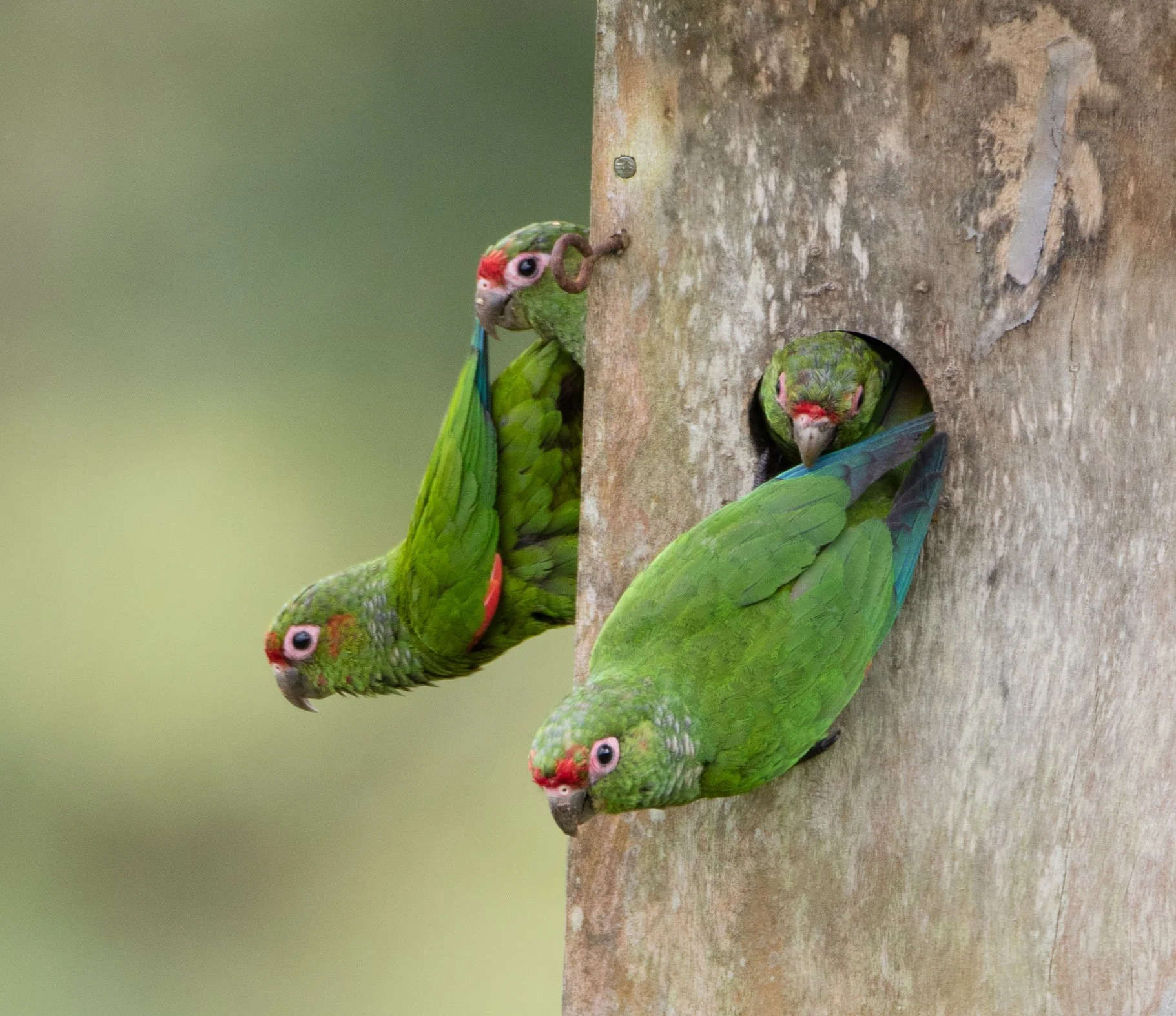
El Oro Parakeets
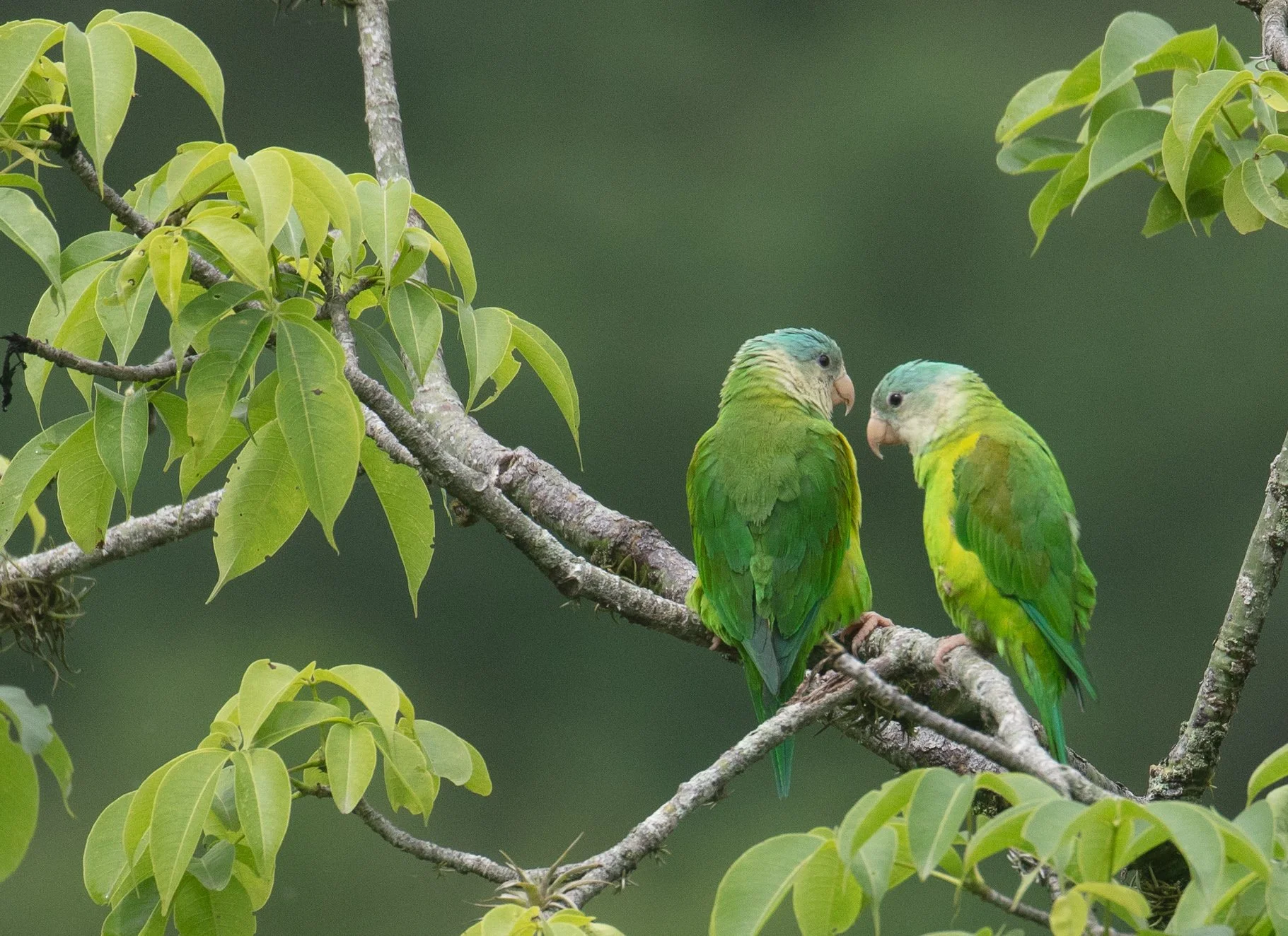
Gray-cheeked Parakeet
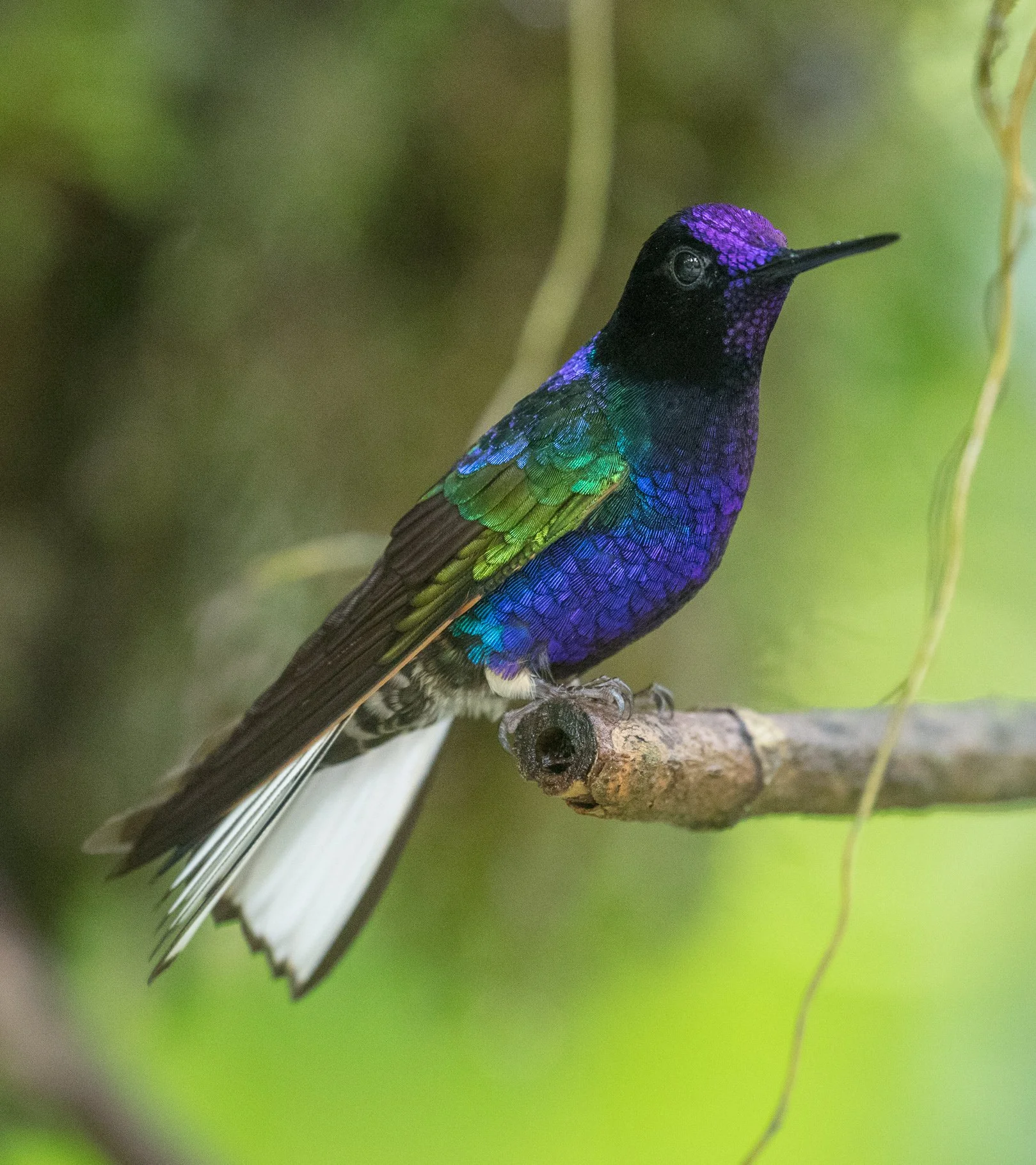
Velvet-purple Coronet
Tour Destinations
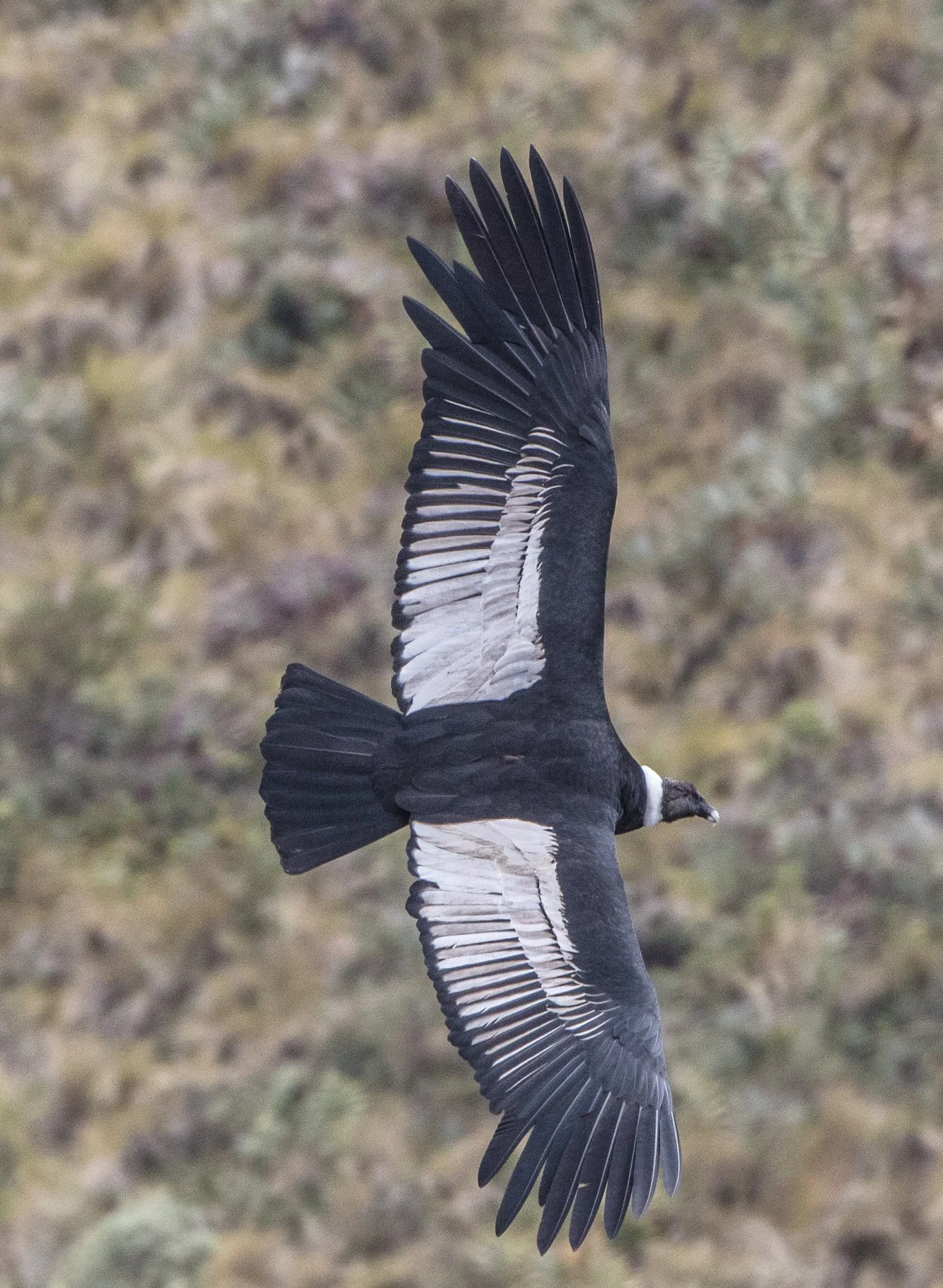
Andean Condor
Yanacocha
Just outside of Quito, Yanacocha rests on the western slope of Volcano Pichincha. Established in 2001 by the Jocotoco Foundation to try and help preserve the extremely range-restricted Black-breasted Puffleg, this enigmatic hummingbird remains among Ecuador’s most elusive endemics. We would need some real luck to encounter this rare bird but, there is much to see at this reserve that today spans nearly 3000 acres. The network of trails and some feeding stations provide opportunities to bump into classic High Andean birds like Andean Condor, Carunculated Caracara, Ocellated Tapaculo, Purple-backed Thornbill and a host of other hummingbirds, Golden-crowned Tanager, or Powerful Woodpecker. The reserve offers extensive access to Cloud forest, Elfin Polylepis forest and Paramo, and if the weather is right can provide nice views of Pichincha. In recent years, a couple of Antpitta species, including Tawny and Equatorial, have become more often encountered. Even the mythical Undulated Antpitta has been seen on a few exceptional occasions
Buenaventura & the Umbrellabird Lodge
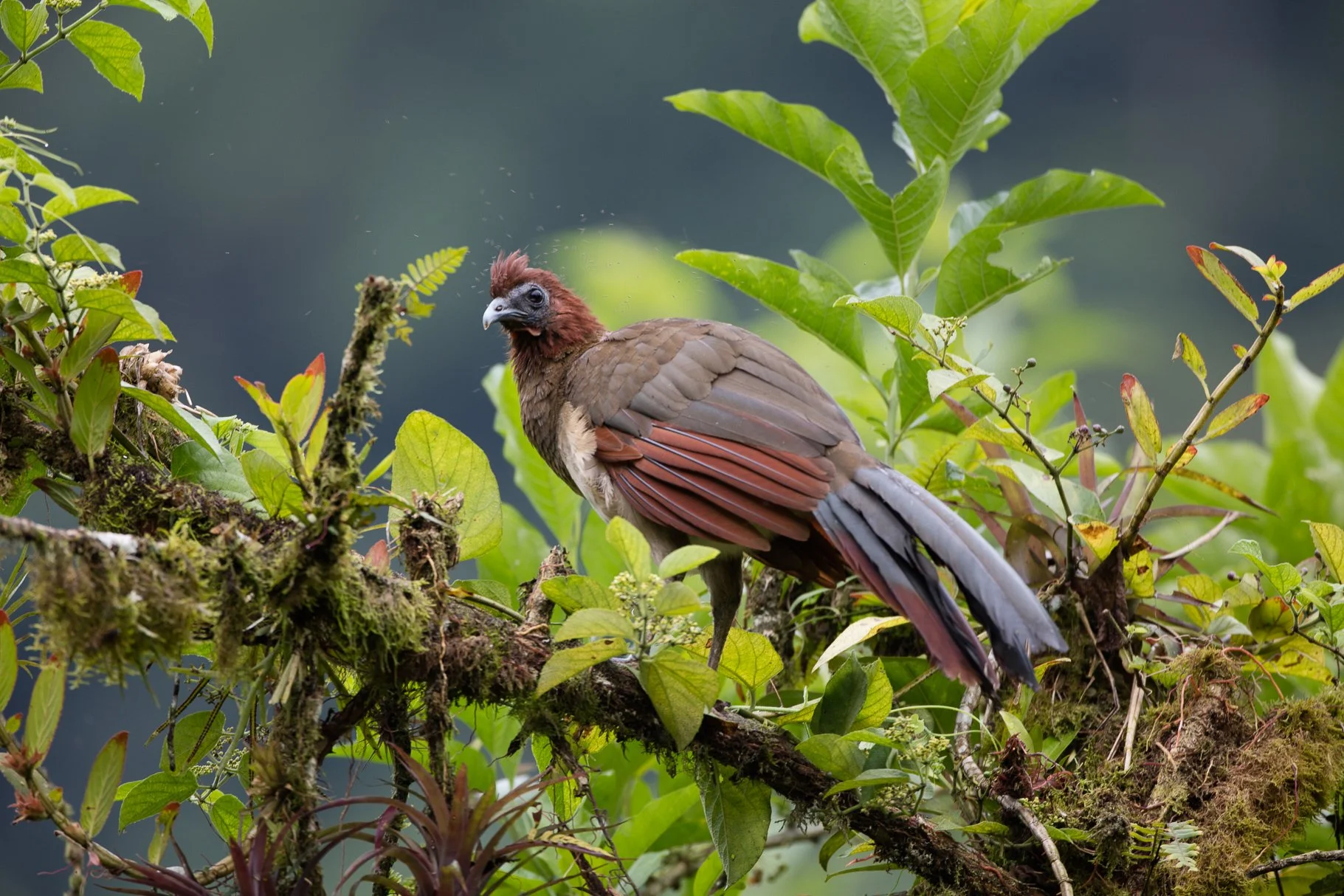
Based at the foot of the Buenaventura Reserve, roughly 1500 feet above sea level amid cloud forest, the Umbrellabird Lodge is a great base for exploring the Andes within El Oro province and the reserve as well. There’s a wonderful feeding station for hummingbirds, with great photo opportunities, the reserve was established in 1999, and is now over 6500 acres. Specials here could include, El Oro Parakeet, Club-winged Manakin, Gray-backed Hawk, Rufous-headed Chachalaca, Pacific Tuftedcheek, the rare Ecuadorian Tapaculo, Golden-winged Manakin, Ochraceous Attila, and of course the eponymous Long-wattled Umbrellabird.
Cerro de Arcos
The most remote site and rustic lodge we’ll visit, and overnight at, is this reserve in the High Andes. Up at about 12,000 feet, featuring paramo grassland, elfin forest, and scattered bogs and wetlands we will try to find blooming Chuquiraga jussieui, the flower of the Andes. This plant in the Aster family is the chief nectar source for the Blue-throated Hillstar, and October is right in the bloom season. Discovered only in 2017, this rarest of hillstars is Critically Endangered with less than 1000 individuals, and maybe even fewer than 100 remaining. While our chief goal will be trying to connect with the hillstar, there will be other fascinating species to see and enjoy too perhaps including, Andean Condor, Carunculated Caracara, Rainbow-bearded thornbill, Black-tailed Trainbearer, Viridian Metaltail & others.
Jorupe & Urraca Lodge
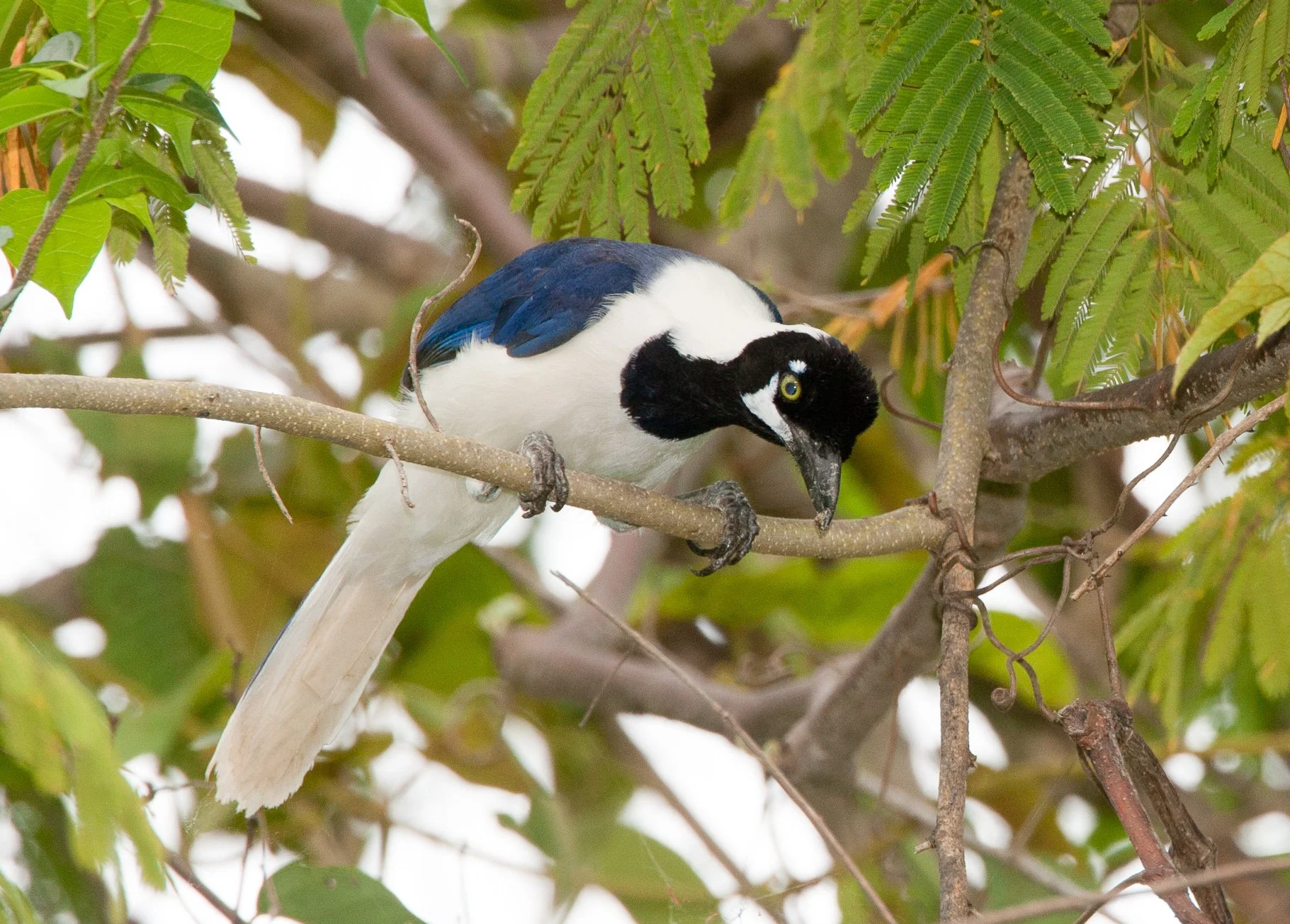
Just a couple miles north of the Peruvian borders, situated amidst some of the best remaining Tumbesian forest that still exists is the Urraca Lodge. At 1500ft in elevation, about 190 bird species have been seen to date in/around the lodge grounds, including a number of endemics and specials such as, Pale-browed Tinamou, Grey-cheeked Parakeet, Slaty Becard, Grey-breasted Flycatcher, Elegant Crescentchest, Blackish-headed Spinetail, Rufous-necked Foliage-gleaner, and even Henna-hooded Foliage-Gleaner, Watkins Antpitta, and White-tailed Jay. It is well known as an excellent site to see King Vulture.
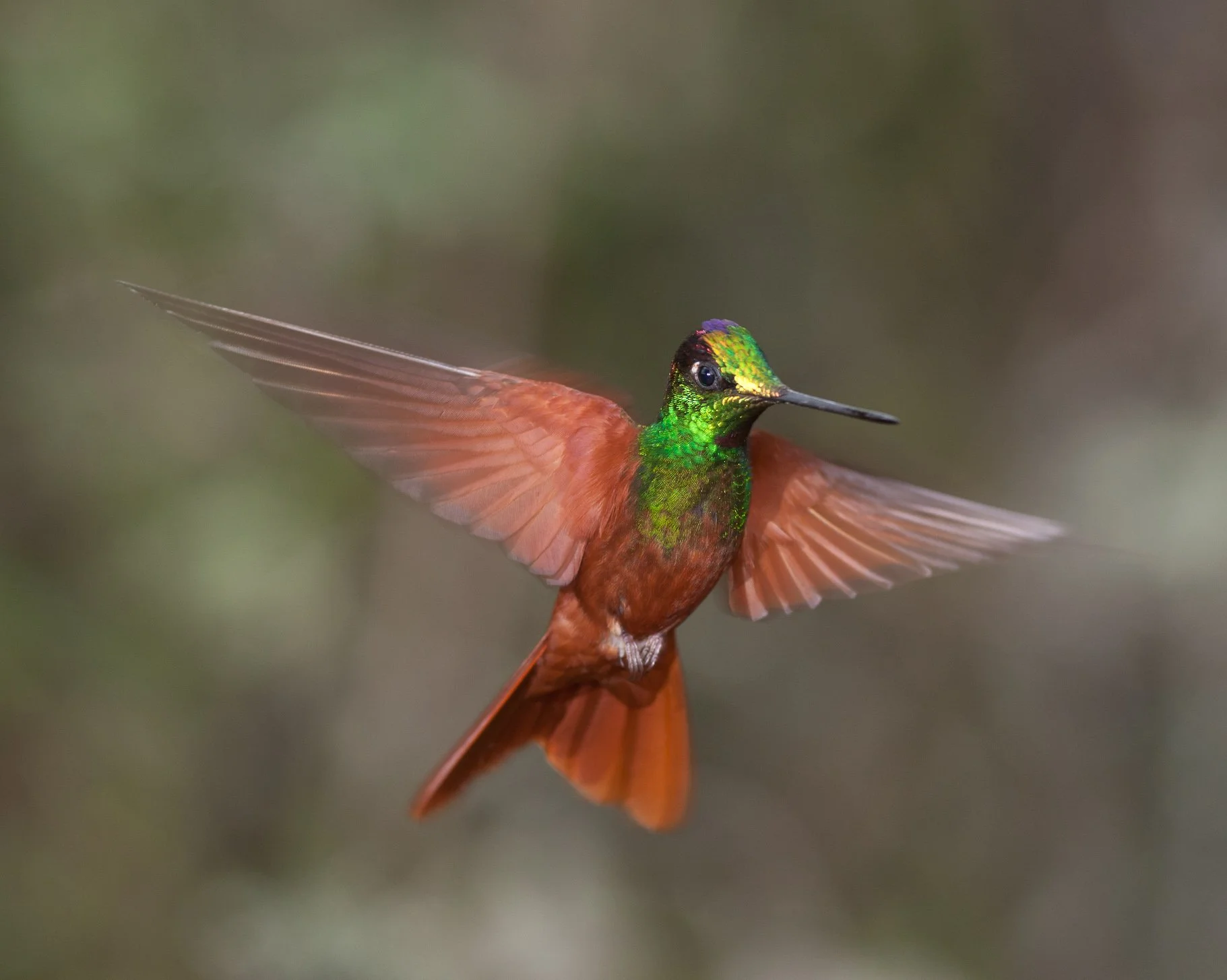
Rainbow Starfrontlet
Utuana Reserve
A mix of humid montane forest and paramo, this reserve is one of the only places it’s possible to find the Piura Hemispingus (currently regarded as a ssp. of Black-eared), and is also a great site for Rainbow Starfrontlets and Purple-throated Sunangels, while Gray-headed Antbird is also possible here, and Chapman’s Antshrikes are often fairly easily spotted here. We could also encounter the dapper Black-cowled Saltator or Bay-crowned Brushfinch.
Tapichalaca Reserve & Casa Simpson
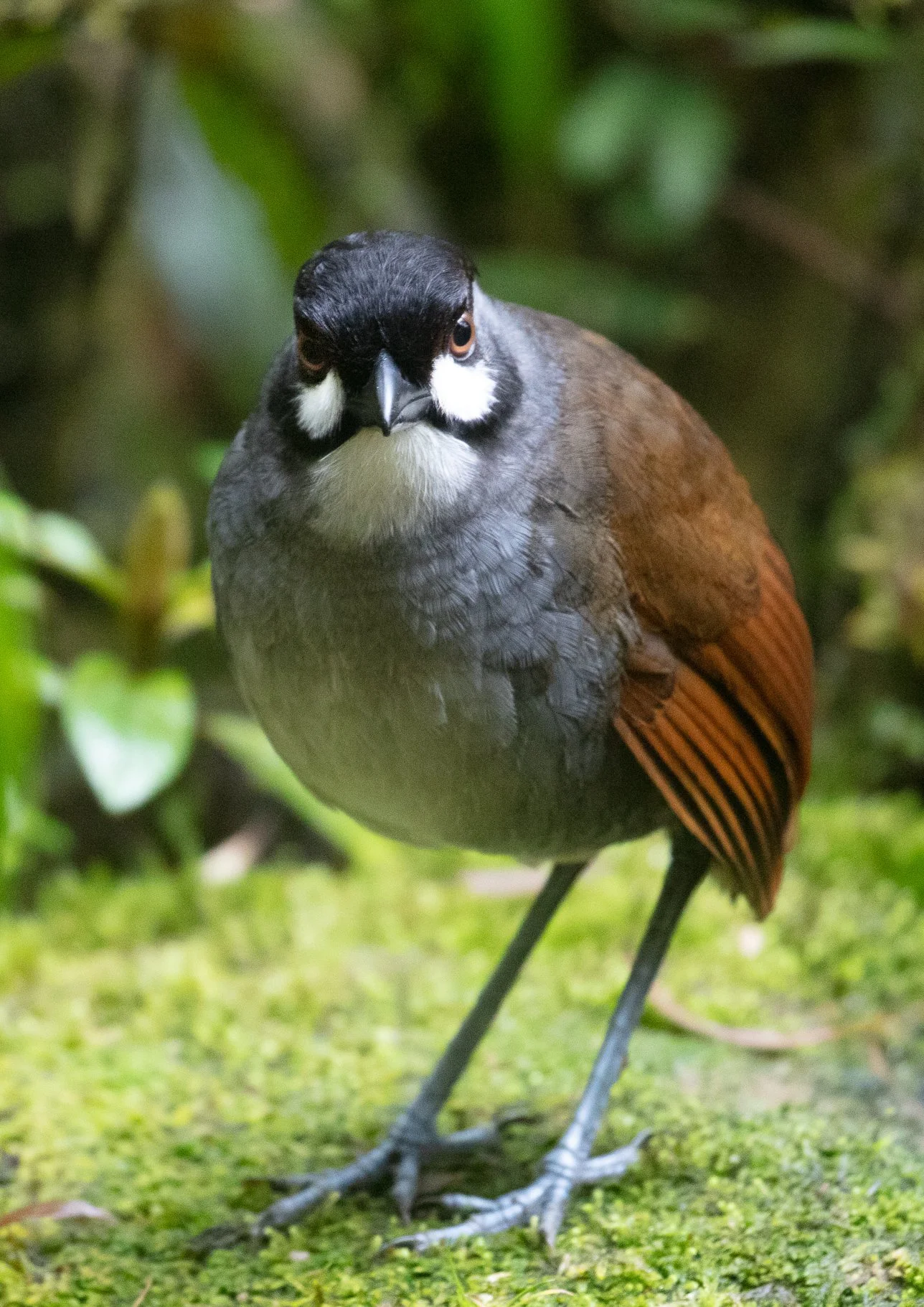
Ranging in altitude from 6000 to 9500 feet, this rather cool and humid reserve, is perhaps the signature property of the Jocotoco Foundation, where not only birds but animals like Andean Tapir, Spectacled Bear, Puma roam. This was the famed location where the Jocotoco Antpitta was discovered in 1997, and also where we shall seek to try and find it. This was what kick-started the founding of the Jocotoco Foundation and led to the protection of incredible tracts of land since. While known especially for this bird, there are of course many others we could encounter including Bearded Guan, White-necked Parakeet, and Spot-winged Parrotlet, Rufous-capped Thornbill, Masked Saltator, Coppery-chested Jacamar, and Masked Mountain Tanager.
Chakana Reserve
Just outside of Quito, this 7000 acre reserve borders several other large protected areas, combining to form a mass of forest over 300,000 acres in area. Famous for its fabulous birding, and we could well connect with birds such as Giant Hummingbird, Ecuadorian Hillstar, Shining Sunbeam, and Black-winged Ground Dove. It is perhaps best known as an important site for Andean Condor and also one of the best places in the world to see the Spectacled Bear. As always, we’d need some luck for the latter especially, but we’ll be looking hard and hopgin the weather also favors us such that we may enjoy nice views of the snow-capped Antisana Volcano.
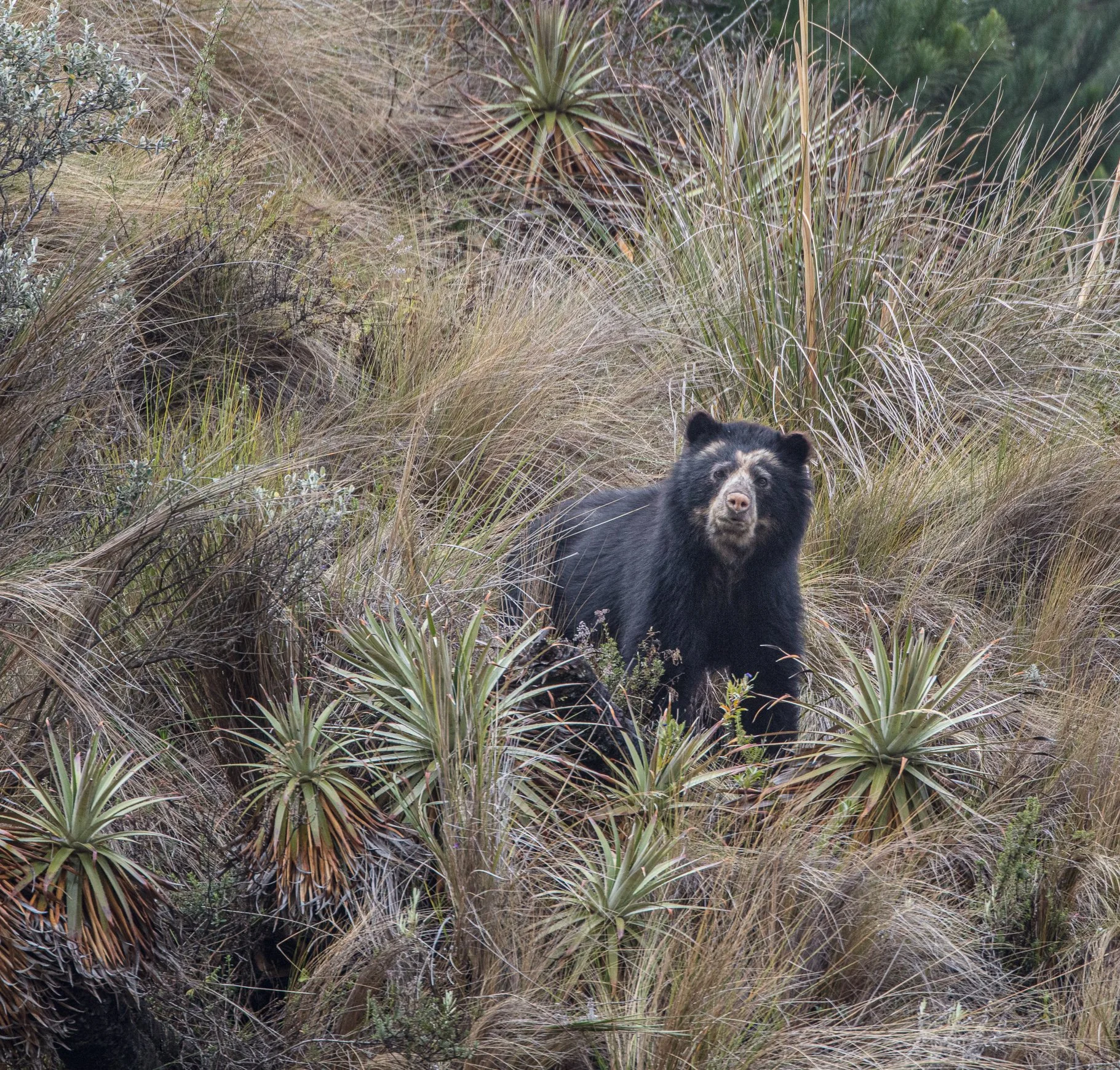
Spectacled Bear
PRICE & BOOKING INFO
Tour Price/person*: $5670/person sharing
Deposit: $1000/person
Single supplement: $635, limited availability
Final Payment Due: 17 June 2027
Group size: 6 to 8 guests
Hillstar Nature strongly recommends all guests purchase travel insurance that covers Trip Cancellation, Trip Curtailment, Trip Interruption, and Emergency Medical and Medical Evacuation.
*Based on double occupancy at lodgings, with a group size of 6 to 8 registrants. Maximum group size is 8 registrants, plus guide(s) and driver(s). If there are fewer than 6 registrants, this tour may be cancelled or re-negotiated. Note that if you want a roommate we can try to find you one, but we cannot guarantee all guests a roommate. If none is available, you will be charged the single supplement.
The tour price (fee) includes:
All accommodations from Day 1 until Day 12.
All meals from dinner on Day 1 through lunch on Day 12.
All transportation from airport pick-up on Day 1 to airport drop-off on Day 12.
All guiding services, access permits and entrance fees to birding areas included.
Tips for drivers and staff at hotels and restaurants.
Excluded from your tour fee are:
International arrival and departure flights.
Alcoholic beverages
Personal expenses such as laundry services, charges for phone calls, additional expenses associated with travel such as insurance, visa fees, airport taxes, airline baggage fees, COVID tests, vaccinations, etc.
Tips for local guide/escort (recommended $5 to $10/day/person).
Documents
All travelers must have a current passport, valid for six months beyond the start date of this tour, with at least one blank page for visas.
CANCELLATION POLICY
Please review Hillstar Nature’s Terms and Conditions of Booking at the bottom of the Home page on our website. If a guest/participant cancels registration:
● 120 days or more prior to the start of the tour, a refund is issued minus a $500/person processing fee.
● Between 119 and 90 days prior to the start of the tour, half of the tour fee will be returned to the registrant.
● 89 days or less prior to departure, no refund of payments or deposits are issued.
RIGOR & PACE
Elevation: The High Andes are a feature of this trip, so we spend a significant amount of time at elevations above 8000 feet and even up above 12,000 feet when we visit Cerro de Arcos to search for the Blue-throated Hillstar. Given the elevation, mosquito-borne disease do not present much of a risk.
Inter-tour travel: We have two internal flights, with 1 from Quito on Day 3 and one returning there on Day 11. There are a couple days featuring long drives of 4+ hours, and certain days where we’ll take switchback mountain roads, to access high elevation areas.
Weather: In the Andes we could experience some cool, cold and/or wet weather. In the Tumbes forests it is warmer and drier. Temperatures in the Andes could range from the mid-70s down to the mid-30s Fahrenheit. In the Tumbes temperatures could reach into the 80s.
Food & Lodging: Food is quite good throughout the trip. Most dietary needs are easily accommodated. Lodges range from 2-star to 4-star, depending on location. The one night we are up high at Cerro de Arcos, the lodge is more rustic 2-star variety, but still reasonably comfortable.
Rigor of birding outings: There is no real hiking, but note that at high elevation, even normal walking can suddenly present a challenge. Most of the time we will be moving at a normal birder’s pace. Registrants should be prepared to spend extended time (sometimes 3+ hours) on foot, as we work through the sites to try and find the birds we seek.